 Preview
 Send
Send Share
Share
 Details

 Download
 Similars
 X-Ray
X-Ray Diaporama
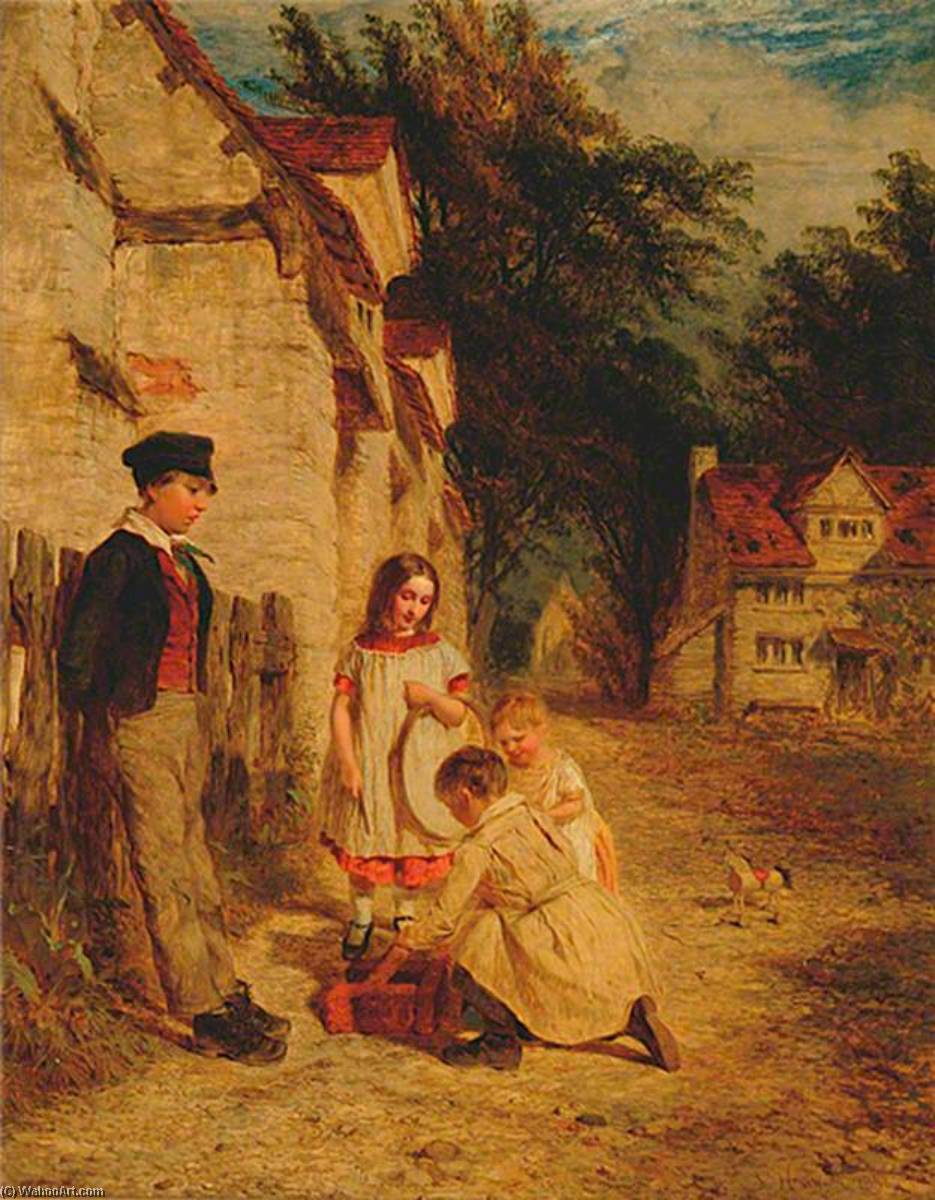
The Bird Trap
 Oil On Canvas
- WallArt
- Contemporary Realism
 1851
1851- 19th Century
 56.0 x 45.0 cm
 Towner
 Read More
Hand Made Oil Reproduction
Hand-painted oil on canvas in your size and frame, made to order by our artists. ( Buy Print Buy Image)




P118B $10

P118H $10

P118W $10

P438Z $10

P508JH $12

P508YH $12

P805H $10

P805Z $10

P919BZ $10

P919G $10

P919XJ $10

P959ZH $10

P968JZ $12

W106C $8

W218G $10

W218JH $8

W218Y $10

W307PJ $10

W316G $10

W316PJ $8

W316Y $10

W398PJ $8

W4111J $10

W500HY $15

W500JH $15

W692G $12

W849H $8

W940BG $15

W953PJ $8




Pick from our preset sizes that match the artwork's original proportions.

You may enter your own dimensions to fit a specific frame or space. If your selected size does not match the original image's proportions, we will either crop the artwork or extend the painting with additional hand-painted elements. A digital mockup will be sent for your approval before production begins.
Please note that the on-screen preview does not reflect the actual cropping or extension. Only the mockup will accurately show the final composition.
While custom sizes are available, we recommend selecting a dimension from the predefined list to preserve the original proportions.
After order, ArtsDot.com team will email client for instructions and provide a mockup preview
Worldwide Delivery () in 3/4 weeks instead of standard 5 weeks. (18 August). No compromise on quality.

Free Worldwide Express Shipping

High-Quality Linen Canvas

Full Shipping Insurance

Customs Tax Refund Guarantee

True Color Matching Guarantee

60-Day Return Policy (Defects Only)

100% Money-Back Guarantee

Bulk Discount Offer
 Glass option is only available in size under 110 CM

The Bird Trap
Reproduction Medium
Reproduction Size
-


Total Price
$ 338
Artwork Description
A Pastoral Symphony of Innocence
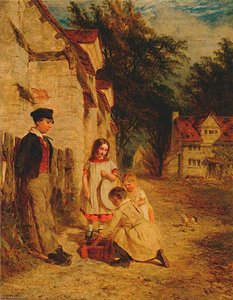
In the quietude of 1851, Henry Thomas Dawson captured a moment of profound simplicity in his evocative masterpiece, The Bird Trap. This tender work invites the viewer into a sun-drenched pastoral realm, where the frantic pace of the modern world dissolves into the gentle rhythms of rural life. The composition centers on a group of four children, their youthful forms arranged with a balanced grace that guides the eye through a landscape of quiet discovery. A kneeling child, perhaps lost in the focused task of the hunt, serves as the emotional anchor of the piece, surrounded by companions whose interactions suggest a shared secret or a communal game. Behind them, a modest cottage and the soft silhouettes of trees emerge from the hazy background, grounding this fleeting moment of play within the enduring stability of the countryside.
The painting is a quintessential example of 19th-century Realism, infused with the soulful, atmospheric qualities that would later define Dawson’s broader body of work. Rather than relying on dramatic spectacle, the artist employs a delicate, linear precision to define the figures and the architecture, while allowing organic, rounded shapes to dominate the natural elements. The technique is one of masterful layering; through careful brushstrokes, Dawson builds a tactile surface where the rough texture of the earth meets the soft, diffused light of a summer afternoon. This interplay of light and shadow creates a sense of depth that, while somewhat flattened in the tradition of earlier romantic styles, possesses a luminous quality that makes the scene feel as though it is breathing.
Symbolism and the Nostalgic Gaze
Beyond its surface beauty, The Bird Trap serves as a poignant meditation on the fleeting nature of childhood. The act of trapping a bird—a delicate, winged creature—can be read as a subtle metaphor for the capture of ephemeral moments in time. There is an inherent vulnerability in the kneeling child, a mirroring of the fragility of innocence itself. For the contemporary collector or interior designer, this work offers more than mere decoration; it provides a window into a vanished era of tranquility. The emotional resonance of the piece lies in its ability to evoke nostalgia, transporting the observer to a state of serene contemplation where the only concerns are the movement of the clouds and the success of a childhood endeavor.
For those seeking to integrate fine art into a curated space, this reproduction offers an unparalleled opportunity to introduce warmth and historical depth. The muted palette and soft illumination make it a versatile centerpiece for a variety of sophisticated interiors, from classical studies to modern living rooms that crave a touch of organic soul. To possess such a work is to hold a fragment of the Victorian spirit—a reminder of the beauty found in the most humble of human interactions and the enduring allure of the natural world.
Related Artworks






Artist Biography
The Atmospheric Vision of Henry Thomas Dawson
In the golden age of British landscape painting, few artists captured the ephemeral dance between light and water with as much soulful resonance as Henry Thomas Dawson. Born in Hull in 1844, Dawson emerged from a self-taught background to become a master of atmosphere, weaving together the rugged textures of the coastline with the soft, hazy light of the Victorian era. His life, though tragically brief, was defined by an unwavering devotion to the natural world, particularly the maritime environments that shaped his early surroundings in the United Kingdom. Through his brush, the sea was never merely a subject of geography, but a living, breathing entity capable of profound emotion.
The essence of Dawson’s artistry lies in his ability to translate the fleeting moments of weather and tide into permanent visual poetry. His work often serves as a bridge between the meticulous detail of traditional realism and the sweeping, emotive power of Romanticism. One can sense the lingering ghost of J.M.W. and Joseph Mallord William Turner within his compositions; where Turner sought the sublime chaos of nature, Dawson found beauty in its quietest transitions—the way a morning mist clings to a coastal cliff or how the sun breaks through a heavy London sky. His technique relied on a sophisticated understanding of light, using layered tones to create depth and a sense of moisture in the very air surrounding his subjects.
A Legacy of Maritime and Urban Landscapes
Dawson’s repertoire was remarkably diverse, spanning from the salt-sprayed edges of the British Isles to the bustling, soot-stained streets of London. His mastery of different environments allowed him to explore a wide spectrum of moods:
- Marine Scenes: These works stand as his most celebrated contributions, characterized by an intimate knowledge of wave movement and the reflective properties of seawater.
- Coastal Views: In these landscapes, Dawson captured the rugged permanence of cliffs and shores, often juxtaposing the stability of land against the restless motion of the ocean.
- London Cityscapes: His urban works offer a nostalgic window into 19th-century life, capturing the atmospheric haze and architectural grandeur of a city in transition.
The historical significance of Henry Thomas Dawson resides in his role as a chronicler of the British landscape during a period of immense industrial and social change. While much of the art world was turning toward more radical movements, Dawson remained anchored in the evocative power of the scenery itself. His ability to evoke nostalgia and a sense of place makes his work timeless, allowing modern viewers to reconnect with the romanticized landscapes of the Victorian era. Today, his paintings remain cherished by collectors who seek not just a depiction of nature, but an emotional encounter with the light and spirit of a bygone age.
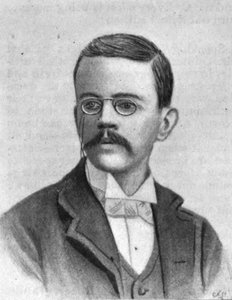
henry thomas dawson
1844 - 1878 , United Kingdom
Quick Facts
- Artistic Movement Or Style: Marine & landscape art
- Artists Or Movements Influenced By This Artist: ['']
- Artists Who Influenced This Artist: ['Turner']
- Date Of Birth: 1844
- Date Of Death: 1878
- Full Name: Henry Thomas Dawson
- Nationality: British
- Notable Artworks:
- The Harbour, Evening
- London at Sunrise
- Place Of Birth: Hull, United Kingdom
Related Articles
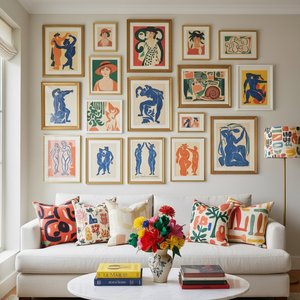
Henri Matisse's Masterpieces: Explore 25 Iconic Paintings & Art Decor Ideas
Journey through Henri Matisse's 25 most iconic paintings! Explore Fauvism, vibrant colors & the stories behind masterpieces like 'The Dance'. Find museum-quality art reproductions and curated decor ideas to elevate your space. Discover all masterpieces on ArtsDot.com.
Henry Thomas Dawson: Navigating Light, Sea & Sentiment in Victorian Marine Painting
Explore the captivating world of Henry Thomas Dawson (1811-1878), a master of Victorian marine painting. Discover his evocative coastal scenes, landscapes & lasting artistic legacy. Learn about collecting Dawson's work and find reproductions at ArtsDot.
Idyllic Visions: Exploring the Pastoral Tradition in Western Art – Themes, Techniques & Enduring Appeal
Explore the rich history of pastoral art from classical Arcadia to contemporary interpretations. Discover key artists, themes & collecting tips at ArtsDot.

Idyllic Visions: Exploring the Pastoral Scene in Art History – From Arcadia to Modern Interpretations
Explore the captivating history of pastoral art from classical Arcadia to modern masterpieces. Discover key artists like Millet & Cole at ArtsDot. Find serene landscape paintings for your home.
19th Century Masterpieces: 10 Paintings That Defined an Era | ArtsDot
Journey through 19th century art with ArtsDot! Explore 10 iconic paintings – from Monet & Renoir to Courbet – and discover the stories behind Romanticism, Realism & Impressionism. Find museum-quality reproductions for your home decor. Explore the full collection online!