

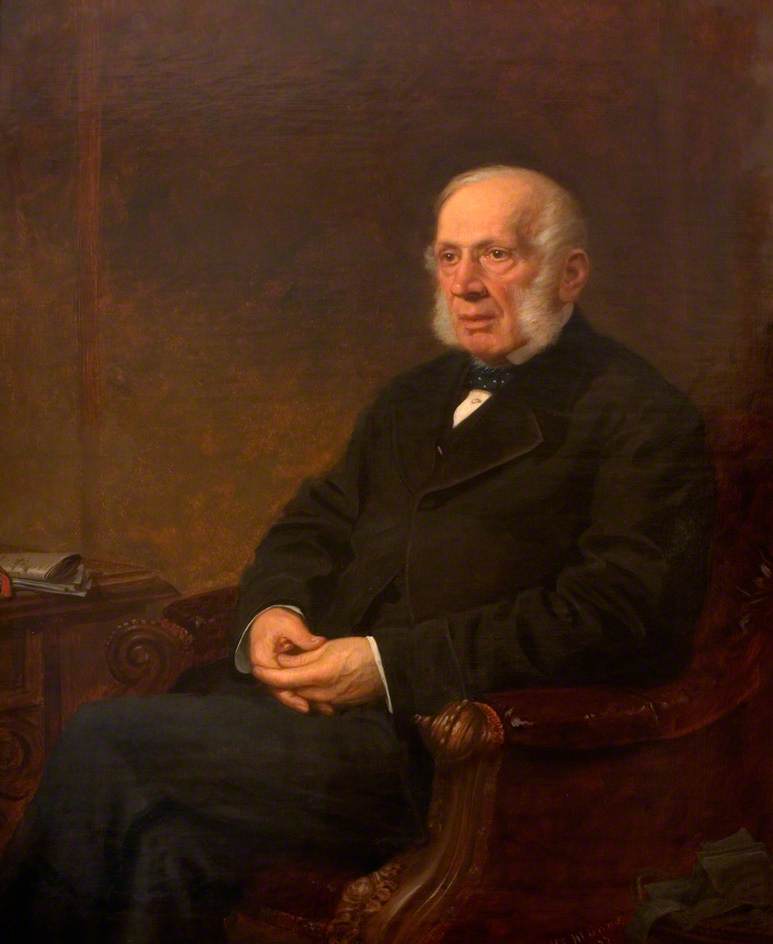
 Preview
 Send
Send Share
Share
 Details

 Download
 Similars
 X-Ray
X-Ray Diaporama
Thomas Pinchard
 1877
1877 127.0 x 102.0 cm
 New Cross Hospital
 Read More
Purchase a high-resolution, enhanced digital image, far superior to the online preview.
Each file is meticulously prepared by our in-house specialists using advanced tools and expert manual retouching. We ensure every image has exceptional clarity, precise color accuracy, and fine detail.
The final file is delivered via email within 72 hours, optimized for immediate use in professional, editorial, and print environments. This is the same quality trusted by top-tier design studios, publishers, and galleries.
Digital Image
Download a high-resolution file for personal display, printing, and creative projects. ( Buy Print Buy Hand Made Painting)
Included in Every Digital Image Order
Expert Digital Delivery, Guaranteed
When you choose ArtsDot.com, you're not just getting an image - you're receiving a professionally enhanced digital artwork, crafted with precision and backed by a satisfaction guarantee. Here's everything that comes with your order, automatically:

Fast Email Delivery
Your high-resolution digital image file will be emailed to you within 72 hours of ordering - ready for immediate use.

AI-Enhanced Digital File
Your artwork is professionally optimized using advanced AI tools and manual editing, ensuring maximum detail, clarity, and color accuracy.

Free Lifetime Re-Delivery
Accidentally deleted or lost your file? No worries - we'll resend it to you anytime, free of charge.

No Import Fees - Ever
Enjoy your artwork instantly with zero customs, duties, or delivery fees - digital downloads are always tax-free.

Color Accuracy Guarantee
We ensure your digital image reflects the original colors as closely as possible using professional tools and color management.

60-Day Satisfaction Guarantee
If you're not satisfied with your digital image, we'll revise it or refund 100% within 60 days - no questions asked.

100% Money-Back Guarantee
Not satisfied? Get a full refund within 60 days of receiving your digital file - no questions asked.

Bulk Order Discounts
Buy 3 images, save 10% - Buy 5, save 15% - Buy 10+, save 20%. Great for creative projects, galleries, and agencies.
Related Artworks
Artist Biography
A Compassionate Eye on Victorian Life: The World of Henry Turner Munns
Henry Turner Munns, born in Birmingham in 1832 and passing away in 1898, occupies a fascinating, yet often overlooked, position within the pantheon of Victorian artists. He wasn’t a revolutionary like the Pre-Raphaelites, nor did he court the dramatic flair of some of his contemporaries. Instead, Munns carved out a niche for himself by offering deeply sensitive and insightful portrayals of everyday British life, particularly focusing on the working classes with an empathy rarely seen in academic painting of the period. His work provides a valuable window into the social fabric of 19th-century England, moving beyond grand historical narratives to capture the quiet dignity and subtle struggles of ordinary people.Early Life and Artistic Training
Munns’s early life remains somewhat shrouded in mystery; biographical details are scarce. What is known is that he received his artistic training at the Birmingham School of Art, a relatively new institution at the time dedicated to providing accessible art education. This grounding in local artistic circles would profoundly shape his subject matter and approach. Unlike artists who sought inspiration in Italy or classical mythology, Munns turned his gaze inward, finding compelling narratives within the streets and homes of his native city. The influence of early photography is also palpable in his work; the burgeoning medium’s ability to capture realistic detail likely informed his meticulous technique and commitment to portraying authentic scenes. He exhibited at the Birmingham Society of Artists from 1854, quickly gaining recognition for his skill in depicting genre subjects – scenes of everyday life.A Focus on Genre and Portraiture
Munns’s artistic output primarily revolved around two key areas: genre painting and portraiture. His genre scenes are particularly noteworthy for their lack of sentimentality or moralizing. He didn't depict poverty as a spectacle, but rather focused on the resilience, quiet strength, and familial bonds within working-class communities. Paintings like “The Mother’s Pride” (1860) exemplify this approach; it portrays a mother gazing lovingly at her child, devoid of any overt drama or pathos, yet radiating warmth and affection. His portraits, while often commissioned by middle-class patrons, also reveal his compassionate eye. He wasn't interested in simply capturing likenesses but sought to convey the inner character and dignity of his sitters. He possessed a remarkable ability to imbue even seemingly mundane subjects with a sense of humanity.Development and Artistic Style
Throughout his career, Munns’s style remained largely consistent – characterized by meticulous detail, realistic rendering, and a subdued palette. He wasn't one for bold experimentation or dramatic brushwork. Instead, he prioritized clarity and accuracy in depicting form and texture. His compositions are often carefully balanced, drawing the viewer’s eye to the central figures and emphasizing their emotional connection. While influenced by earlier Realist painters like Wilkie and Teniers, Munns developed a distinctive voice through his focus on British subjects and his compassionate approach. His landscapes, though less numerous than his genre scenes or portraits, demonstrate a similar attention to detail and atmospheric effect. He often used light and shadow to create a sense of intimacy and mood, further enhancing the emotional impact of his work.Legacy and Historical Significance
Although Munns never achieved widespread fame during his lifetime, his work has experienced a resurgence in recent years as scholars and collectors have recognized its historical and artistic value. His paintings offer a unique glimpse into Victorian society, providing a counterpoint to the more idealized or sensationalized depictions of the period.- His compassionate portrayal of working-class life is particularly significant.
- He documented a segment of British society often overlooked by academic painters.
- His meticulous technique and realistic rendering demonstrate a high level of artistic skill.

henry turner munns
1832 - 1898

