

 Preview
 Send
Send Share
Share
 Details

 Download
 Similars
 X-Ray
X-Ray Diaporama
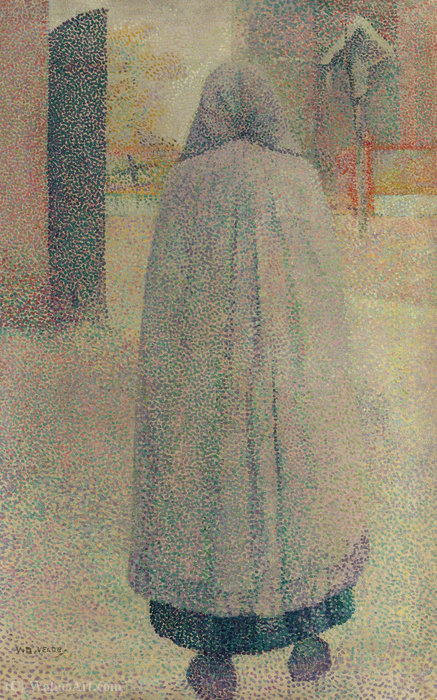
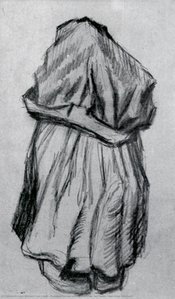
Woman in front of the Church, (1923)
 Read More
Purchase a high-resolution, enhanced digital image, far superior to the online preview.
Each file is meticulously prepared by our in-house specialists using advanced tools and expert manual retouching. We ensure every image has exceptional clarity, precise color accuracy, and fine detail.
The final file is delivered via email within 72 hours, optimized for immediate use in professional, editorial, and print environments. This is the same quality trusted by top-tier design studios, publishers, and galleries.
Digital Image
Download a high-resolution file for personal display, printing, and creative projects. ( Buy Print Buy Hand Made Painting)
Included in Every Digital Image Order
Expert Digital Delivery, Guaranteed
When you choose ArtsDot.com, you're not just getting an image - you're receiving a professionally enhanced digital artwork, crafted with precision and backed by a satisfaction guarantee. Here's everything that comes with your order, automatically:

Fast Email Delivery
Your high-resolution digital image file will be emailed to you within 72 hours of ordering - ready for immediate use.

AI-Enhanced Digital File
Your artwork is professionally optimized using advanced AI tools and manual editing, ensuring maximum detail, clarity, and color accuracy.

Free Lifetime Re-Delivery
Accidentally deleted or lost your file? No worries - we'll resend it to you anytime, free of charge.

No Import Fees - Ever
Enjoy your artwork instantly with zero customs, duties, or delivery fees - digital downloads are always tax-free.

Color Accuracy Guarantee
We ensure your digital image reflects the original colors as closely as possible using professional tools and color management.

60-Day Satisfaction Guarantee
If you're not satisfied with your digital image, we'll revise it or refund 100% within 60 days - no questions asked.

100% Money-Back Guarantee
Not satisfied? Get a full refund within 60 days of receiving your digital file - no questions asked.

Bulk Order Discounts
Buy 3 images, save 10% - Buy 5, save 15% - Buy 10+, save 20%. Great for creative projects, galleries, and agencies.
Related Artworks
Artist Biography
A Pioneer of Total Design: The Life and Legacy of Henry van de Velde
Henry Clemens van de Velde, born in Antwerp in 1863, was more than just an artist; he was a visionary who sought to dissolve the boundaries between art and life. Emerging from a Belgium brimming with artistic ferment, alongside luminaries like Victor Horta and Paul Hankar, Van de Velde became a foundational figure of Art Nouveau, though his ambitions quickly transcended any single stylistic label. His journey began within the established academic traditions of the Royal Academy of Fine Arts in Antwerp, followed by studies under Carolus-Duran in Paris, yet he soon found himself drawn to the burgeoning Neo-Impressionist movement, experimenting with the pointillist techniques of Seurat and Signac. This early exploration of light and color, coupled with his involvement with the progressive artist group “Les XX” in Brussels, proved pivotal. A transformative moment arrived through exposure to the work of Vincent van Gogh – a revelation that propelled him toward new artistic horizons and lasting friendships with Théo van Rysselberghe and Constantin Meunier. However, Van de Velde’s true calling lay not within the confines of painting itself, but in its potential to permeate every aspect of the designed environment.From Canvas to Complete Environments: The Birth of a Design Philosophy
In 1892, Van de Velde made a decisive break, abandoning painting altogether to dedicate himself fully to decorative arts and interior design. This wasn’t merely a shift in medium; it was the articulation of a profound philosophy. Influenced by his marriage to Maria Sèthe – with whom he formed a powerful creative partnership – and inspired by the ideals of the British Arts and Crafts movement, particularly the work of William Morris, Van de Velde envisioned a *total* work of art. His first architectural undertaking, Villa Bloemenwerf in Ukkel (1895), served as a manifesto for this belief. Every detail, from the structure itself to the furniture, textiles, and even the garden design, was conceived by Van de Velde, creating a harmonious and unified aesthetic experience. This commitment to holistic design reached its zenith with his involvement in Samuel Bing’s groundbreaking “L’Art Nouveau” gallery in Paris. The interiors and furnishings he created for Bing's space weren’t simply displays of artistry; they *defined* the Art Nouveau style itself, lending the movement its very name and catapulting Van de Velde to international prominence. His participation in the 1900 Paris World Fair further solidified his reputation as a leading innovator.German Influence and the Seeds of Modernism
Van de Velde’s influence extended far beyond Belgium, profoundly impacting German architecture and design at the turn of the century. He found fertile ground in Germany, where his designs were widely published and embraced. Commissions followed for interiors in Berlin, and significant architectural projects like Villa Leuring in the Netherlands, Villa Esche in Chemnitz, and the interior of the Folkwang Museum in Hagen – now housing the Karl Ernst Osthaus-Museum – showcased his distinctive Art Nouveau vision. Perhaps most notably, he designed the Nietzsche House in Weimar, a building that stands as a testament to his ability to translate philosophical ideas into architectural form. In 1899, Van de Velde settled permanently in Weimar, establishing the Grand-Ducal School of Arts and Crafts in 1905. This institution was not merely an educational establishment; it was a laboratory for new design thinking, a direct precursor to the Bauhaus. Indeed, it was Van de Velde who recommended Walter Gropius as its director, recognizing his potential to carry forward the school’s progressive ideals.A Legacy of Innovation and Enduring Impact
Van de Velde's commitment to artistic integrity led him into debates surrounding industrialization and standardization. As a key figure in the German Werkbund, he championed individual artistry while grappling with the challenges of mass production – his discussions with Hermann Muthesius on this topic remain central to modern architectural discourse. Following World War I, Van de Velde returned to Belgium, later residing in Switzerland and the Netherlands where he designed the Kröller-Müller Museum in Otterlo. He continued to teach, serving as a professor at Ghent University from 1926 to 1936, and played an instrumental role in founding “Institut supérieur des arts décoratifs” – now known as La Cambre – in Brussels. His later architectural work evolved beyond the flowing lines of Art Nouveau, demonstrating a shift towards functionalism while retaining his commitment to thoughtful design. He mentored Victor Bourgeois, a prominent Belgian architect, and was involved in the design of the University Library (Boekentoren) in Ghent, completed posthumously. Henry van de Velde’s legacy is not simply one of aesthetic innovation; it's a testament to the power of *total* design – an enduring vision that continues to inspire architects and designers today, reminding us that art should not be confined to galleries but woven into the very fabric of our lives. His work remains a potent reminder of the transformative potential of design when guided by originality, integrity, and a profound understanding of the human experience.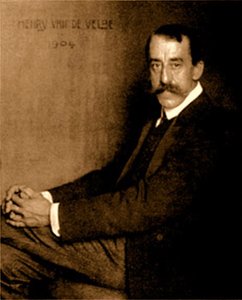
Henry van de Velde
1863 - 1957 , Belgium
Quick Facts
- Artistic Movement Or Style: Art Nouveau, Modern Design
- Artists Or Movements Influenced By This Artist:
- Bauhaus
- German architecture
- Jugendstil
- Artists Who Influenced This Artist:
- Paul Signac
- Georges Seurat
- Vincent van Gogh
- Date Of Birth: April 3, 1863
- Date Of Death: October 15, 1957
- Full Name: Henry Clemens van de Velde
- Nationality: Belgian
- Notable Artworks:
- Candleholder
- Woman in front of the Church (1923)
- Villa Bloemenwerf
- Folkwang Museum interior
- Place Of Birth: Antwerp, Belgium

