 Preview
 Send
Send Share
Share
 Details

 Download
 Similars
 X-Ray
X-Ray Diaporama
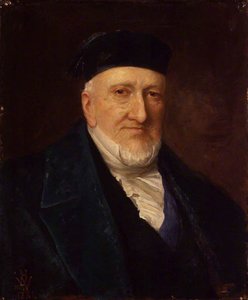
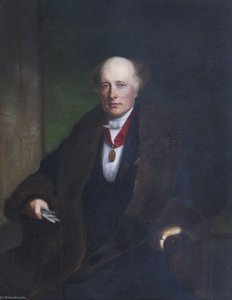
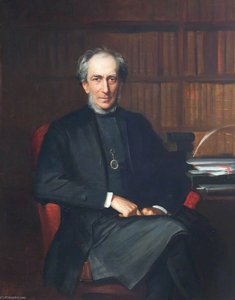
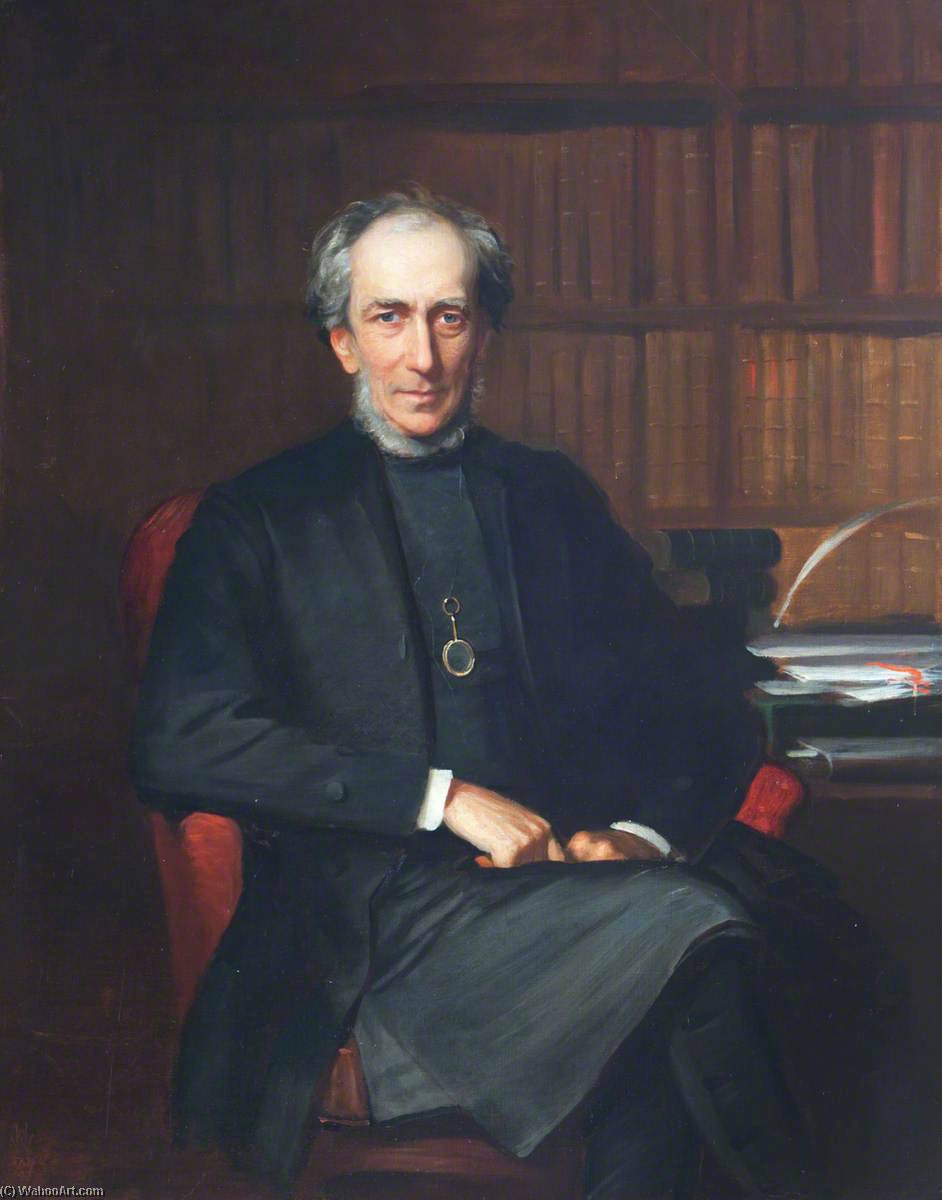
Bishop Charles Perry (1807–1891)
 Acrylic On Canvas
- WallArt
- Victorian Portraiture
 19th Century
 130.0 x 90.0 cm
 Ridley Hall Theological College
 Read More
Hand Made Oil Reproduction
Hand-painted oil on canvas in your size and frame, made to order by our artists. ( Buy Print Buy Image)




P118B $10

P118H $10

P118W $10

P438Z $10

P508JH $12

P508YH $12

P805H $10

P805Z $10

P919BZ $10

P919G $10

P919XJ $10

P959ZH $10

P968JZ $12

W106C $8

W218G $10

W218JH $8

W218Y $10

W307PJ $10

W316G $10

W316PJ $8

W316Y $10

W398PJ $8

W4111J $10

W500HY $15

W500JH $15

W692G $12

W849H $8

W940BG $15

W953PJ $8




Pick from our preset sizes that match the artwork's original proportions.

You may enter your own dimensions to fit a specific frame or space. If your selected size does not match the original image's proportions, we will either crop the artwork or extend the painting with additional hand-painted elements. A digital mockup will be sent for your approval before production begins.
Please note that the on-screen preview does not reflect the actual cropping or extension. Only the mockup will accurately show the final composition.
While custom sizes are available, we recommend selecting a dimension from the predefined list to preserve the original proportions.
After order, ArtsDot.com team will email client for instructions and provide a mockup preview
Worldwide Delivery () in 3/4 weeks instead of standard 5 weeks. (20 August). No compromise on quality.

Free Worldwide Express Shipping

High-Quality Linen Canvas

Full Shipping Insurance

Customs Tax Refund Guarantee

True Color Matching Guarantee

60-Day Return Policy (Defects Only)

100% Money-Back Guarantee

Bulk Discount Offer
 Glass option is only available in size under 110 CM

Bishop Charles Perry (1807–1891)
Reproduction Medium
Reproduction Size
-


Total Price
$ 263
Artwork Description
Bishop Charles Perry (1807–1891): A Portrait of Victorian Reflection
Henry Weigall’s 130 x 90 cm painting, “Bishop Charles Perry,” offers a remarkably intimate glimpse into the life and character of a prominent figure from the late Victorian era. The subject, an older gentleman seated before a richly stocked bookshelf, immediately evokes a sense of quiet contemplation and intellectual depth. Weigall’s meticulous attention to detail – the folds in the man's suit, the texture of his hands clasped together, the varied sizes and arrangements of the books – speaks to a dedication to realism that was characteristic of the artist’s style and deeply rooted in the academic traditions he initially embraced.
The painting is dominated by a palette of muted browns, creams, and deep greens, typical of Weigall's tonal approach. Light falls gently across Perry’s face and hands, highlighting his features with a soft glow that suggests both age and wisdom. The bookshelf itself isn’t merely a backdrop; it’s an integral element of the composition, hinting at Perry’s scholarly pursuits and perhaps even suggesting a life dedicated to learning and faith. The books, though not individually identifiable, contribute to a sense of order and intellectual richness – a visual representation of a well-informed mind.
Henry Weigall: A Master of Victorian Portraiture
To fully appreciate “Bishop Charles Perry,” it’s essential to understand the context in which Henry Weigall worked. Born in Philadelphia in 1829, Weigall trained under Thomas Webster in London, absorbing the stylistic conventions of Academic painting – a style that prioritized precise observation and tonal harmony. This training shaped his career, allowing him to produce a substantial body of work encompassing landscapes, genre scenes, and, most notably, portraits of influential individuals who defined their respective eras. Weigall’s success stemmed from his ability to capture not just physical likenesses but also the inner character and social standing of his subjects.
His career spanned over five decades, during which he established himself as a respected portraitist within Philadelphia society. His work was frequently exhibited, and he gained commissions from prominent figures – including members of the royal family – solidifying his reputation for skill and professionalism. The fact that Weigall’s work continued to be produced well into the 20th century speaks to the enduring appeal of his style and his ability to capture the essence of Victorian elegance.
Symbolism and Context: The Bishop's Reflection
Charles Perry, as depicted here, was a significant figure in Australian religious history. Born in England, he served as the first Anglican Bishop of Melbourne, arriving in the colony in 1848 to establish the Church of England amidst the burgeoning settlement. The painting’s setting – a bookshelf filled with books – powerfully symbolizes his role as a learned and spiritual leader, deeply engaged with intellectual pursuits and religious doctrine. The act of sitting, hands clasped together, suggests prayerful contemplation and a deep connection to faith.
Further research reveals that Perry was instrumental in establishing the Melbourne Diocesan Grammar School and actively campaigned for educational reforms within the Anglican Church. Weigall’s portrait thus serves as more than just a likeness; it's a visual record of a man who played a pivotal role in shaping the religious and educational landscape of early colonial Australia. The painting offers a poignant window into a bygone era, capturing not only Perry’s physical appearance but also his intellectual and spiritual convictions.
A Hand-Painted Reproduction – Bringing History to Life
ArtsDot is proud to offer this meticulously reproduced version of Henry Weigall's “Bishop Charles Perry.” Each reproduction is created by skilled artisans, painstakingly recreating the original painting’s details, textures, and tonal nuances. This ensures that you receive a high-quality artwork that faithfully captures the spirit and beauty of Weigall’s masterpiece. Whether displayed in a formal study or a more relaxed living space, this reproduction will serve as a timeless reminder of Victorian elegance, intellectual curiosity, and the enduring legacy of Bishop Charles Perry.
Related Artworks
Artist Biography
The Master of Victorian Elegance: The Life and Legacy of Henry Weigall
In the grand tapestry of nineteenth-century art, few threads possess the refined texture and dignified grace found in the works of Henry Weigall. Born in Philadelphia in 1829, Weigall emerged as a painter who could seamlessly bridge the gap between the rigorous traditions of European Academicism and the burgeoning spirit of American identity. His journey was one of transatlantic movement, beginning with formative years spent in the heart of London’s artistic circles. Under the tutelage of the esteemed Thomas Webster, Weigall absorbed the essential principles of classical realism, learning to manipulate light and shadow to breathe life into his subjects. This early training instilled in him a profound respect for tonal harmony and a disciplined approach to composition that would become the hallmark of his enduring career.
Upon his return to the United States, Weigall’s artistic evolution took on a dual nature. While he found deep inspiration in the sprawling beauty of the American landscape—utilizing atmospheric perspective and subtle, emotive color palettes to capture the quiet majesty of the countryside—it was within the intimate confines of portraiture that he truly found his voice. He possessed a rare, almost intuitive ability to look beyond the surface of a sitter, seeking to capture not just a physical likeness, but the psychological depth and social standing of his subjects. His canvases became windows into the Victorian era, documenting the faces of industrialists, diplomats, and literary luminaries with a level of precision that commanded respect across the Atlantic.
Technique, Light, and the Art of the Portrait
The brilliance of Weigall’s technique lies in his masterful command of tonal gradation. He did not merely apply paint; he sculpted light. By meticulously blending subtle shifts in shade, he achieved a luminous quality that gave his portraits an almost three-dimensional presence. This mastery of light allowed him to create depth within the folds of heavy Victorian fabrics and to render the soft glow of skin with breathtaking realism. His compositions often favored a dignified, frontal approach, which lent his subjects an air of permanence and composure. Yet, beneath this formal exterior, there is always a subtle hint of nuance—a slight tilt of the head or a particular glint in the eye—that suggests the complex inner lives of those he painted.
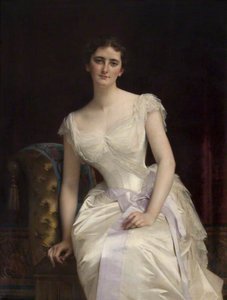
One of his most captivating achievements can be seen in his depictions of the era's social elite, such as his 1878 portrait of Mary Dickinson, the 6th Viscountess Clifden. In this work, Weigall demonstrates his ability to marry classical realism with an evocative sense of elegance. The painting serves as a testament to his skill in capturing both the material splendor of the age and the quiet, aristocratic grace of the individual. Through such works, Weigall did more than record history; he elevated it, turning the portraits of his contemporaries into timeless icons of cultural heritage.
Historical Significance and Artistic Heritage
As the nineteenth century transitioned into the twentieth, Weigall’s work remained a steadfast anchor to the values of classical beauty and technical excellence. While art movements began to shift toward more experimental and abstract forms, Weigall’s commitment to realism provided a vital link to the traditions of the past. His legacy is not merely found in the museums that house his paintings, but in the way he captured the very soul of an era. He documented a period of immense social and industrial transformation through the eyes of those who lived it, providing a visual record of the dignity and complexity of the Victorian age.
Today, the works of Henry Weigall continue to resonate with collectors and art historians alike. His ability to harmonize technical precision with emotional resonance ensures that his portraits remain much more than historical artifacts; they are living breathing encounters with the past. To study Weigall is to understand the intersection of American ambition and European refinement, a period where art served as both a mirror to society and a monument to the human spirit.
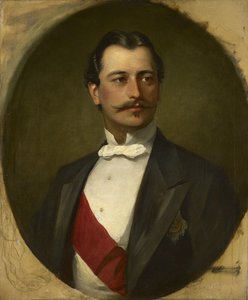
henry weigall
1829 - 1925
Quick Facts
- Artistic Movement Or Style: Academic Realism
- Artists Or Movements Influenced By This Artist:
- Victorian Art Style
- Portrait Painting
- Artists Who Influenced This Artist:
- Henry Raeburn
- Jean-Auguste Dominique Ingres
- Date Of Birth: 1829
- Date Of Death: 1925
- Full Name: Henry Weigall
- Nationality: British
- Notable Artworks:
- Sandwich Quarter Sessions, 1898
- Mary Dickinson (1853–1921), 6th Viscountess Clifden
- Alda Gertrude Lethbridge (1836–1906), Mrs Henry William Purcell Weston
- Place Of Birth: London, England