 Preview
 Send
Send Share
Share
 Details

 Download
 Similars
 X-Ray
X-Ray Diaporama
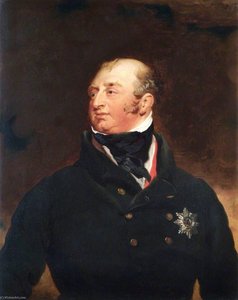
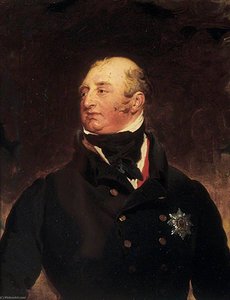
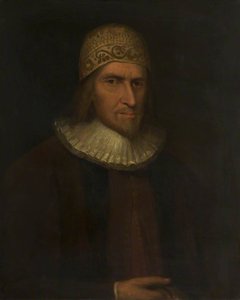
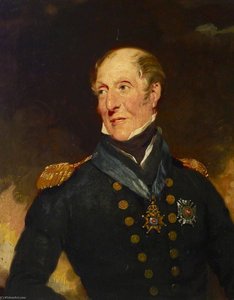
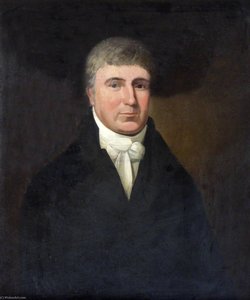
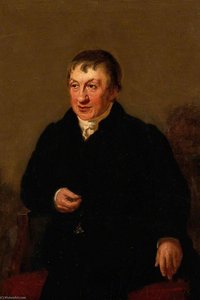
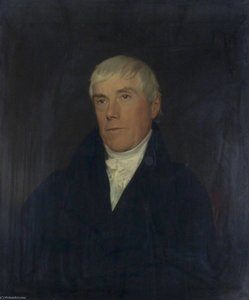
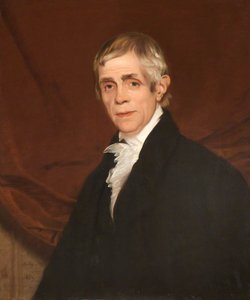
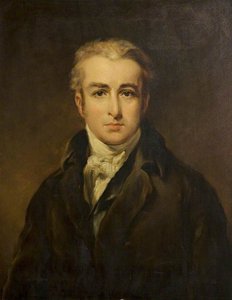
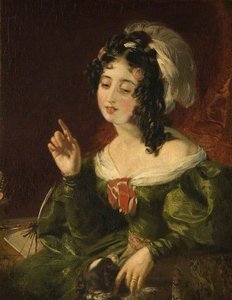
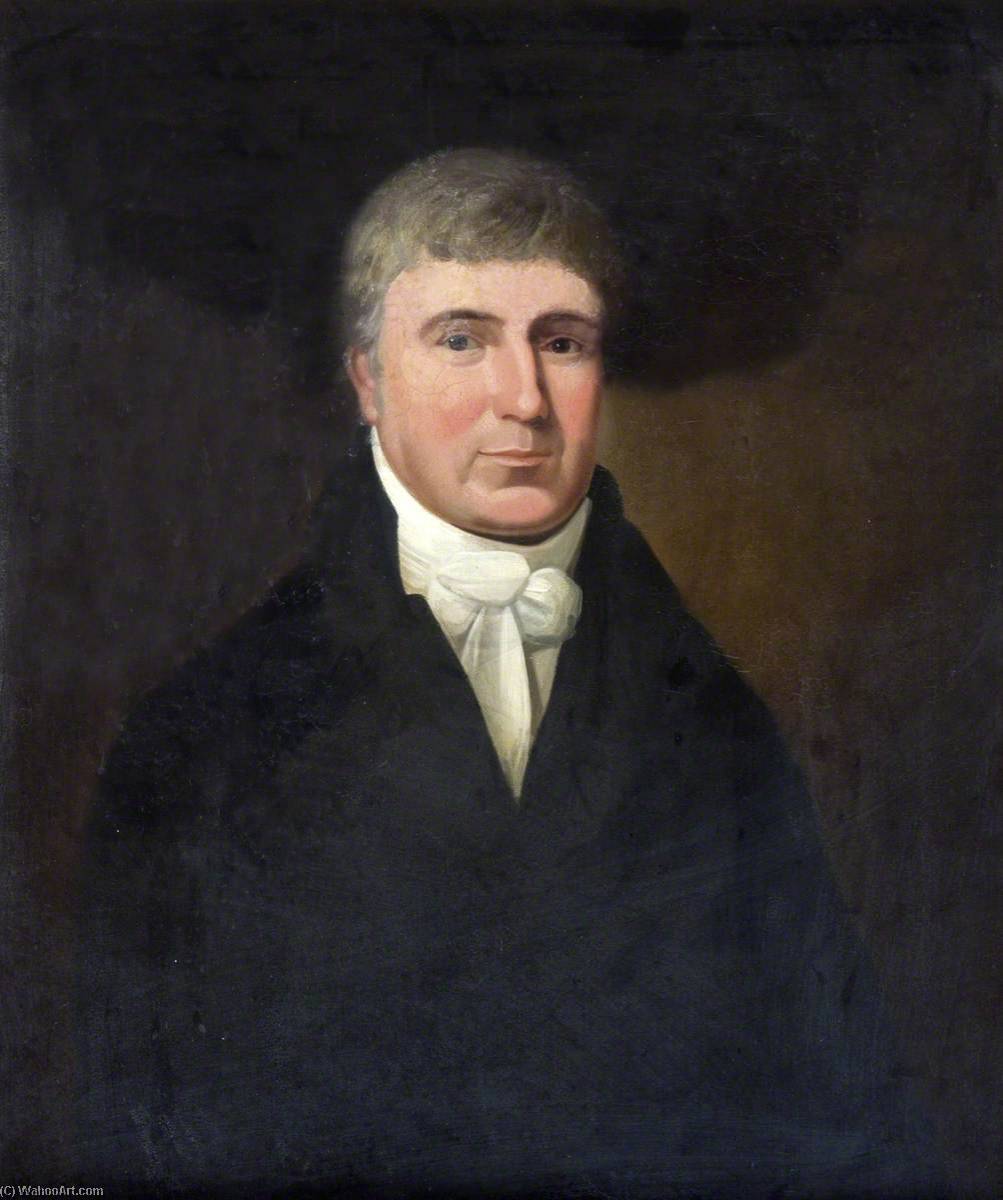
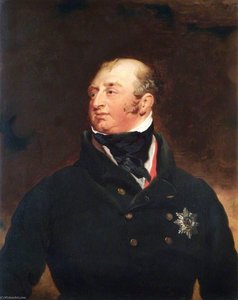
Reverend Jehoiada Brewer (1752–1818)
 93.0 x 82.0 cm
 Read More
Giclée / Art Print
Museum-quality giclée or canvas print with fast production and flexible finish options. ( Buy Hand Made Painting Buy Image)




































Pick from our preset sizes that match the artwork's original proportions.

You may enter your own dimensions to fit a specific frame or space. If your selected size does not match the original image's proportions, we will either crop the artwork or extend the image with a mirrored or solid-fill edge. A digital mockup will be sent for your approval before production begins.
Please note that the on-screen preview does not reflect the actual cropping or extension. Only the mockup will accurately show the final composition.
While custom sizes are available, we recommend selecting a dimension from the predefined list to preserve the original proportions.
Worldwide Delivery () in 2 weeks instead of standard 4/5 weeks. (25 August)

Free Worldwide Express Shipping

High-Quality Linen Canvas

Full Shipping Insurance

Customs Tax Refund Guarantee

True Color Matching Guarantee

60-Day Return Policy (Defects Only)

100% Money-Back Guarantee

Bulk Discount Offer
 Glass option is only available in size under 110 CM

Reverend Jehoiada Brewer (1752–1818)
Giclée / Art Print
Reproduction Size
-


Total Price
$ 63
Related Artworks








Artist Biography
The Quiet Brilliance of Henry Wyatt: A Legacy of Victorian Precision
In the grand tapestry of nineteenth-century British art, few threads possess the delicate strength and understated elegance found in the works of Henry Wyatt. Born on September 17, 1794, in the quiet village of Thickbroom, near Lichfield, Wyatt’s journey from a young boy in Staffordshire to a celebrated figure of the Victorian era is a testament to raw talent guided by disciplined mentorship. Following the untimely death of his father when Wyatt was only three, his upbringing was shaped by his guardian, Francis Eginton, a renowned glass-painter in Birmingham. It was Eginton who first recognized the boy’s innate aptitude for the visual arts, eventually propelling him toward the vibrant artistic epicenter of London in 1811. This early exposure to the craft of decorative painting laid the groundwork for a career defined by an extraordinary eye for detail and a profound respect for the nuances of light and form.
Wyatt’s formal education was marked by a rapid ascent through the most prestigious institutions of his day. After being admitted to the Royal Academy school in 1812, he secured a pivotal position in 1815 as a pupil in the studio of Sir Thomas Lawrence, one of the most celebrated portraitists of the age. Under Lawrence’s tutelage, Wyatt refined a technique that balanced the grandiosity of the Regency style with a more intimate, psychological realism. This period of intense study allowed him to master the art of the "subject picture" and the portrait, blending the ability to capture a sitter's social standing with an uncanny ability to reveal their inner character. As he moved through the industrial hubs of Birmingham, Liverpool, and Manchester, his reputation grew alongside the rising prominence of the British middle class, who sought portraits that reflected both their newfound prosperity and their personal dignity.
Mastery of Form and the Emotional Landscape
The artistry of Henry Wyatt is best understood through his remarkable command over color and composition. He was not merely a chronicler of faces but a master of atmosphere. His work often eschewed the flamboyant, theatrical brushwork common among some of his contemporaries, opting instead for a restrained palette and a meticulous approach to texture. Whether rendering the heavy silk of a gown or the subtle translucency of skin, Wyatt’s technical prowess ensured that every element of his compositions served a narrative purpose. His ability to act as a "good colourist," as noted by historical contemporaries, allowed him to breathe life into his subjects, creating works that felt both timeless and immediate.
Beyond the mere physical likeness, Wyatt’s genre paintings and subject pictures explored deeper thematic territories:
- Psychological Depth: His portraits often captured a sense of quiet introspection, moving beyond superficial beauty to touch upon the vulnerability of the human condition.
- Social Observation: Through his depictions of various social strata, he provided a visual record of the shifting dynamics of Victorian society.
- Symbolic Realism: In works such as Vigilance, exhibited at the Royal Academy in 1836, he utilized classical motifs to convey moral and emotional truths.
However, the brilliance of Wyatt’s career was tragically cut short by the very fragility he so expertly captured in his subjects. In 1837, while traveling to Manchester for new commissions, he was struck by a sudden and debilitating paralysis. This illness forced him to retreat from the bustling London art scene to the more tranquil surroundings of Leamington. Though he continued to work, the vibrant energy of his earlier years was tempered by physical decline. He passed away on February 27, 1840, in Prestwich, leaving behind a body of work that remains a cornerstone of English portraiture. Today, his legacy lives on in the permanent collections of institutions like the Tate and Art UK, where his paintings continue to enchant viewers with their profound grace and enduring historical significance.
henry wyatt
1794 - 1840
Quick Facts
- Artistic Movement Or Style: Victorian Portraiture, Realism
- Artists Who Influenced This Artist:
- John Opie
- Sir Thomas Lawrence
- Date Of Birth: 1794
- Date Of Death: 1840
- Full Name: Henry Wyatt
- Nationality: British
- Notable Artworks:
- Ellen Turner of Helmshore
- Vigilance
- Rear Admiral Sir Charles Cunningham
- Place Of Birth: Thickbroom, England