

 Preview
 Send
Send Share
Share
 Details

 Download
 Similars
 X-Ray
X-Ray Diaporama
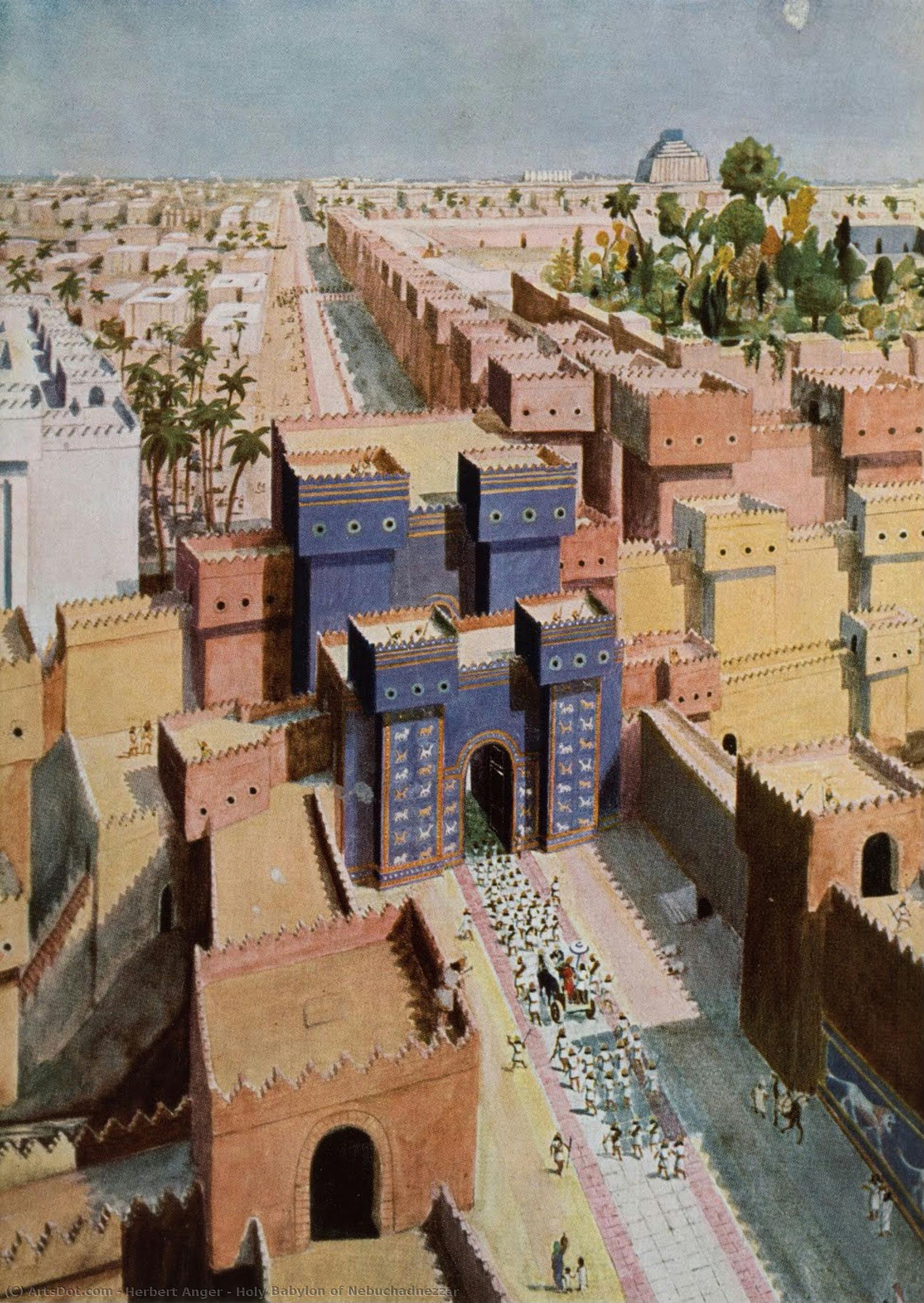
Holy Babylon of Nebuchadnezzar


 Read More
Purchase a high-resolution, enhanced digital image, far superior to the online preview.
Each file is meticulously prepared by our in-house specialists using advanced tools and expert manual retouching. We ensure every image has exceptional clarity, precise color accuracy, and fine detail.
The final file is delivered via email within 72 hours, optimized for immediate use in professional, editorial, and print environments. This is the same quality trusted by top-tier design studios, publishers, and galleries.
Digital Image
Download a high-resolution file for personal display, printing, and creative projects. ( Buy Print Buy Hand Made Painting)
Included in Every Digital Image Order
Expert Digital Delivery, Guaranteed
When you choose ArtsDot.com, you're not just getting an image - you're receiving a professionally enhanced digital artwork, crafted with precision and backed by a satisfaction guarantee. Here's everything that comes with your order, automatically:

Fast Email Delivery
Your high-resolution digital image file will be emailed to you within 72 hours of ordering - ready for immediate use.

AI-Enhanced Digital File
Your artwork is professionally optimized using advanced AI tools and manual editing, ensuring maximum detail, clarity, and color accuracy.

Free Lifetime Re-Delivery
Accidentally deleted or lost your file? No worries - we'll resend it to you anytime, free of charge.

No Import Fees - Ever
Enjoy your artwork instantly with zero customs, duties, or delivery fees - digital downloads are always tax-free.

Color Accuracy Guarantee
We ensure your digital image reflects the original colors as closely as possible using professional tools and color management.

60-Day Satisfaction Guarantee
If you're not satisfied with your digital image, we'll revise it or refund 100% within 60 days - no questions asked.

100% Money-Back Guarantee
Not satisfied? Get a full refund within 60 days of receiving your digital file - no questions asked.

Bulk Order Discounts
Buy 3 images, save 10% - Buy 5, save 15% - Buy 10+, save 20%. Great for creative projects, galleries, and agencies.
Collectible Description
A Vision of Babylon: Herbert Anger’s “Holy Babylon of Nebuchadnezzar”
Herbert Anger's "Holy Babylon of Nebuchadnezzar," painted in 1931, isn’t merely a depiction of an ancient city; it’s a profound meditation on power, faith, and the ephemeral nature of empires. The painting transports us to the heart of Babylonian civilization, a world both magnificent and ultimately doomed, rendered with a captivating blend of realism and symbolic intensity. Anger, a key figure in Vienna's fascinating Fantastic Realism movement, masterfully combines meticulous detail with dreamlike qualities, creating an image that simultaneously evokes awe and melancholy. The scene unfolds within a sprawling cityscape dominated by a colossal, blue-tiled structure – a deliberate homage to the Ishtar Gate, the iconic entranceway of ancient Babylon. This gate, a testament to Nebuchadnezzar II’s reign, served as more than just an entryway; it was a powerful symbol of divine authority and imperial might.The Artist's Hand: Style and Technique
Anger’s artistic approach is immediately striking. He eschews the purely representational style prevalent in many historical paintings of the time, instead embracing a technique that leans heavily into abstraction and surrealism. Bold colors—deep blues, ochres, and earthy reds—are juxtaposed with intricate details, creating a dynamic visual experience. The buildings themselves are rendered with a remarkable level of precision, capturing the grandeur of Babylonian architecture while simultaneously hinting at its underlying instability. Notice the layering of textures – rough brickwork alongside smooth glazed tiles – mirroring the complex layers of history and power that shaped this ancient metropolis. The artist’s brushstrokes aren't simply descriptive; they convey movement and a sense of vibrant life, suggesting a bustling city teeming with activity. This deliberate ambiguity invites viewers to actively engage with the image, interpreting its meaning through their own experiences and perspectives.Echoes of Empire: Historical Context and Symbolism
“Holy Babylon of Nebuchadnezzar” is deeply rooted in the historical context of early 20th-century archaeological discoveries. The excavation of Babylon itself was a major undertaking, fueled by a renewed interest in ancient civilizations. Robert Koldewey’s painstaking work in uncovering the Ishtar Gate and its fragments directly influenced Anger's vision. The blue color scheme is particularly significant, referencing the distinctive glazed bricks that adorned the gate – a visual marker of Babylonian power and divinity. Beyond the literal depiction of the city, the painting speaks to themes of ambition, hubris, and the cyclical nature of empires. Babylon’s rise and fall serve as a potent metaphor for human endeavors, reminding us of the fleeting nature of earthly glory. The presence of figures moving through the streets adds another layer of meaning, suggesting both the everyday lives of Babylonian citizens and the constant flow of power and influence within the city's walls.A Dreamscape of Antiquity: Emotional Impact and Legacy
Ultimately, “Holy Babylon of Nebuchadnezzar” transcends a simple historical record; it’s an emotionally resonant work that invites contemplation. The painting possesses a haunting beauty, capturing not only the splendor of ancient Babylon but also its underlying sense of vulnerability. There's a palpable feeling of both grandeur and decay, suggesting that even the most powerful empires are ultimately subject to time and change. Anger’s masterful use of color and composition creates a dreamlike atmosphere, transporting viewers to another world while simultaneously reminding them of the enduring power of art to capture the complexities of human experience. The painting's legacy lies in its ability to spark curiosity about ancient civilizations and to provoke reflection on the timeless themes it explores – ambition, faith, and the inevitable passage of time. Reproductions of this powerful artwork offer a unique opportunity to bring a piece of Babylonian history into your own space, inviting contemplation and sparking conversation.Related Artworks



Artist Biography
Herbert Anger: A Life in Art
- Born: Vienna, Austria (1909)
- Died: 1993
- Nationality: Austrian
- Movement: Fantastic Realism, Surrealism, Abstract Expressionism
Early Life and Education
- Herbert Anger was born into a family of artists in Vienna, Austria, fostering an early appreciation for the arts.
- He received formal training at the Akademie der bildenden Künste Wien (Academy of Fine Arts Vienna), a prestigious institution that shaped his artistic foundation.
- His studies exposed him to diverse artistic styles and techniques, laying the groundwork for his later explorations in abstraction and surrealism.
Artistic Style and Influences
- Anger's work is characterized by its unique blend of abstract and surrealist elements, often incorporating bold colors and symbolic imagery.
- He was a prominent figure within the Vienna School of Fantastic Realism, a movement that emerged after World War II. This style combined naturalistic techniques with religious and esoteric symbolism.
- Key influences on Anger's artistic development include Ernst Fuchs, Maître Leherb (Helmut Leherb), Arik Brauer, Wolfgang Hutter, and Anton Lehmden – all significant figures in the Fantastic Realism movement.
- His work also reflects broader influences from the European avant-garde movement, particularly in his use of abstraction.
Major Works and Themes
- "Holy Babylon of Nebuchadnezzar" (1931): Considered one of Anger's most famous works, this painting exemplifies his distinctive style and thematic concerns.
- Recurring Themes: His art frequently explores themes of humanism, the human condition, religious symbolism, and the relationship between humans and urban environments. He often depicted both real and imagined cities in his paintings.
- Evolution of Style: While initially employing expressionistic brushwork and softer colors, Anger later moved towards a more abstract approach, reflecting evolving artistic trends and personal experimentation.
Legacy and Historical Significance
- Herbert Anger's contributions to Austrian art are recognized for his innovative blend of styles and exploration of profound themes.
- His work has been exhibited internationally, showcasing his talent and influence on a global scale.
- The Akademie der bildenden Künste Wien, where he studied, continues to be a leading institution for fine arts education and research, upholding the legacy of artists like Anger.
- Anger's forced exile from Germany due to his Jewish heritage highlights the impact of historical events on artistic expression and underscores the importance of cultural preservation.

Herbert Anger
1909 - 1993 , Austria
Quick Facts
- Artistic Movement Or Style: Fantastic Realism
- Artists Who Influenced This Artist:
- Ernst Fuchs
- Maître Leherb
- Arik Brauer
- Wolfgang Hutter
- Anton Lehmden
- Date Of Birth: 1909
- Date Of Death: 1993
- Full Name: Herbert Anger
- Nationality: Austrian
- Notable Artworks: ['Holy Babylon of Nebuchadnezzar']
- Place Of Birth: Vienna, Austria

