

 Preview
 Send
Send Share
Share
 Details

 Download
 Similars
 X-Ray
X-Ray Diaporama
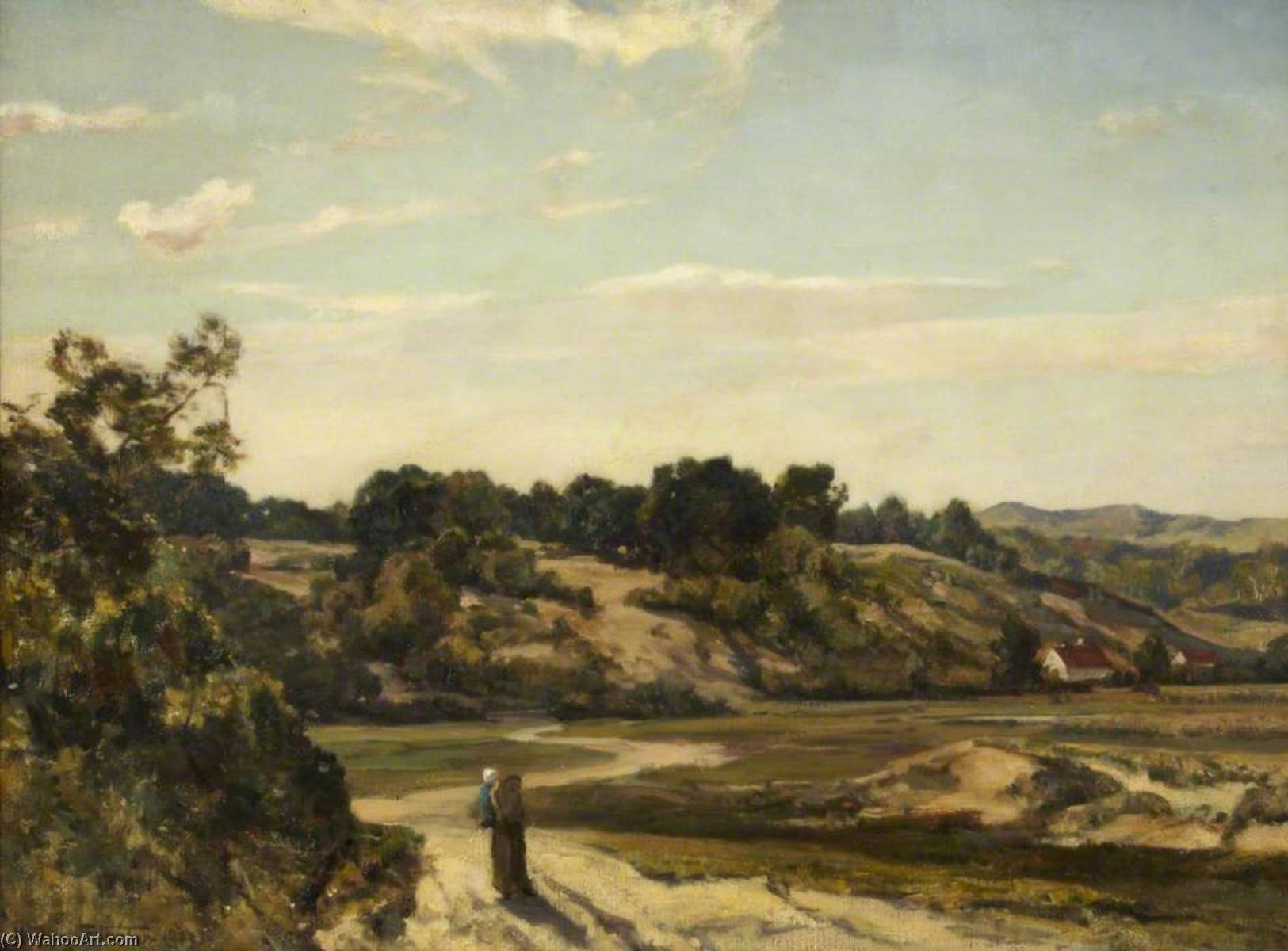
Pas de Calais Among the Dunes
 1937
1937 44.0 x 60.0 cm
 Bristol Museum - Art Gallery
 Read More
Purchase a high-resolution, enhanced digital image, far superior to the online preview.
Each file is meticulously prepared by our in-house specialists using advanced tools and expert manual retouching. We ensure every image has exceptional clarity, precise color accuracy, and fine detail.
The final file is delivered via email within 72 hours, optimized for immediate use in professional, editorial, and print environments. This is the same quality trusted by top-tier design studios, publishers, and galleries.
Digital Image
Download a high-resolution file for personal display, printing, and creative projects. ( Buy Print Buy Hand Made Painting)
Included in Every Digital Image Order
Expert Digital Delivery, Guaranteed
When you choose ArtsDot.com, you're not just getting an image - you're receiving a professionally enhanced digital artwork, crafted with precision and backed by a satisfaction guarantee. Here's everything that comes with your order, automatically:

Fast Email Delivery
Your high-resolution digital image file will be emailed to you within 72 hours of ordering - ready for immediate use.

AI-Enhanced Digital File
Your artwork is professionally optimized using advanced AI tools and manual editing, ensuring maximum detail, clarity, and color accuracy.

Free Lifetime Re-Delivery
Accidentally deleted or lost your file? No worries - we'll resend it to you anytime, free of charge.

No Import Fees - Ever
Enjoy your artwork instantly with zero customs, duties, or delivery fees - digital downloads are always tax-free.

Color Accuracy Guarantee
We ensure your digital image reflects the original colors as closely as possible using professional tools and color management.

60-Day Satisfaction Guarantee
If you're not satisfied with your digital image, we'll revise it or refund 100% within 60 days - no questions asked.

100% Money-Back Guarantee
Not satisfied? Get a full refund within 60 days of receiving your digital file - no questions asked.

Bulk Order Discounts
Buy 3 images, save 10% - Buy 5, save 15% - Buy 10+, save 20%. Great for creative projects, galleries, and agencies.
Collectible Description
The Painting's Composition
The painting depicts a serene landscape of rolling hills and dunes, with a figure walking down a dirt road in the distance. The scene is set against a backdrop of fluffy white clouds and a bright blue sky, evoking a sense of tranquility and peace. The use of warm colors and soft brushstrokes adds to the overall sense of calmness, making this painting a true masterpiece.Artist's Style and Influences
Herbert Edwin Pelham Hughes Stanton's style is characterized by his use of bold colors and expressive brushstrokes. His work is often compared to that of other notable artists, such as Pablo Picasso, who was also active during the same period. In fact, Picasso's Portrait of a woman (Dora Maar) and Queen Elisabeth are notable examples of Cubism, a style that influenced many artists of the time.- Cubism was a revolutionary art movement that emerged in the early 20th century.
- It is characterized by the use of geometric shapes and fragmented forms to depict reality.
- Artists like Pablo Picasso and Georges Braque were pioneers of this movement.
The Vladikavkaz Art Museum in Russia is another notable institution that showcases an impressive collection of art from around the world. Learn more about their collection at /art/list/?Filter=A@D3C8AX-Vladikavkaz-Art-Museum-Russia.
In conclusion, Pas de Calais Among the Dunes is a remarkable painting that showcases the skill and artistry of Herbert Edwin Pelham Hughes Stanton. Its serene landscape and beautiful composition make it a must-see for art lovers everywhere.
Related Artworks
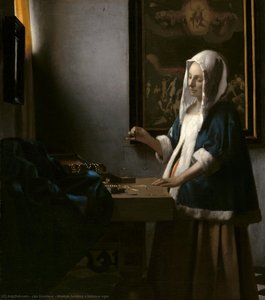
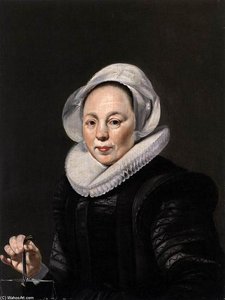
Artist Biography
Sir Herbert Hughes-Stanton: A Master of Light and Landscape
Sir Herbert Edwin Pelham Hughes-Stanton (1870-1937) remains a quietly significant figure in the history of British watercolour painting, a master whose evocative landscapes captured the essence of both the English countryside and the dramatic beauty of France. Born into an artistic lineage – his father, William Hughes, was a respected still-life painter – Herbert’s early exposure to art instilled within him a deep appreciation for observation and meticulous technique. His career unfolded across several decades, marked by consistent dedication to his craft and a measured rise through the ranks of the Royal Academy, culminating in knighthood and recognition as President of the Royal Watercolour Society. Hughes-Stanton's legacy lies not in flamboyant exhibitions or revolutionary styles, but rather in the quiet power of his paintings – works that possess an undeniable serenity and a profound understanding of light and atmosphere.Early Life and Artistic Training
Herbert Hughes-Stanton’s childhood was steeped in artistic influence. Raised in Chelsea, London, he received his initial training under his father, William Hughes, absorbing the principles of observation and tonal control that would become hallmarks of his own style. Corsham, a small town near Bath, provided a crucial environment for developing his skills – a place where he could immerse himself in the natural world and hone his ability to translate its complexities onto paper. This early grounding fostered a deep connection with the landscape, a connection that would inform every subsequent painting. He was educated at Corsham School, where he developed an appreciation for the beauty of the surrounding countryside. His artistic journey began modestly, exhibiting his work in 1886, and quickly established itself within the established art circles of London, gaining recognition through exhibitions at prestigious venues such as the Grosvenor Gallery and the New Gallery.A Parisian Influence: Landscapes of France
Hughes-Stanton’s artistic trajectory shifted dramatically with his relocation to France in 1906. This period proved transformative, profoundly influencing his palette, composition, and overall approach to landscape painting. He spent several years immersed in the French countryside, capturing the light and atmosphere of regions like Pas de Calais and Normandy. His paintings from this era are particularly noteworthy for their subtle shifts in colour and texture – a masterful demonstration of how he rendered the effects of sunlight on water, sand, and foliage. The dramatic landscapes of the Côte d’Azur also found their way onto his canvases, showcasing his ability to capture both the grandeur and the intimacy of these coastal regions. His time in France was not merely a period of travel; it represented a deliberate immersion into a different artistic tradition, one that encouraged him to refine his skills and broaden his visual vocabulary.Royal Recognition and Artistic Leadership
Hughes-Stanton’s dedication and consistent quality eventually earned him recognition within the most esteemed circles of the British art world. He was elected an Associate of the Royal Academy in 1913, a significant step towards full membership. This honor solidified his position as a respected contemporary artist. In 1920 (or possibly 1919), he achieved the ultimate recognition by being fully admitted to the Royal Academy – a testament to his enduring talent and commitment. Further solidifying his influence, he was knighted in 1923, acknowledging his contributions to British art and culture. Beyond his individual achievements, Hughes-Stanton also played a vital role as President of the Royal Watercolour Society from 1920 until his death in 1937, guiding the organization through a period of growth and development.Legacy and Artistic Significance
Sir Herbert Hughes-Stanton’s paintings are characterized by their understated elegance, remarkable technical skill, and profound sensitivity to light and atmosphere. He eschewed dramatic gestures or overtly expressive brushwork, instead favoring a more subtle approach – one that allowed the landscape itself to speak for itself. His works often depict scenes of quiet beauty: rolling hills, shimmering water, and sun-drenched meadows. Hughes-Stanton’s paintings are held in numerous collections across Britain and internationally, including the Tate Gallery, the Welsh National Gallery, and museums in France and Japan. While he may not be as widely celebrated as some of his contemporaries, his quiet mastery and enduring appeal ensure that his landscapes continue to resonate with viewers today – a testament to the power of observation, discipline, and a deep appreciation for the beauty of the natural world. His work stands as a subtle but significant contribution to the rich tapestry of British watercolour painting.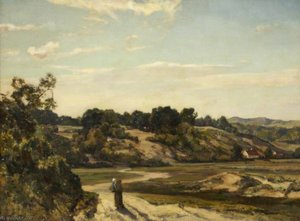
herbert edwin pelham hughes stanton
1870 - 1937
Quick Facts
- Artistic Movement Or Style: Landscape Painting
- Artists Who Influenced This Artist: ['William Hughes']
- Date Of Birth: November 21, 1870
- Date Of Death: August 2, 1937
- Full Name: Herbert Edwin Pelham Hughes-Stanton
- Nationality: British
- Notable Artworks:
- Cader Idris, North Wales
- Pas de Calais Among the Dunes
- Château Gaillard, Les Andelys
- Place Of Birth: Chelsea, London

