 Preview
 Send
Send Share
Share
 Details

 Download
 Similars
 X-Ray
X-Ray Diaporama
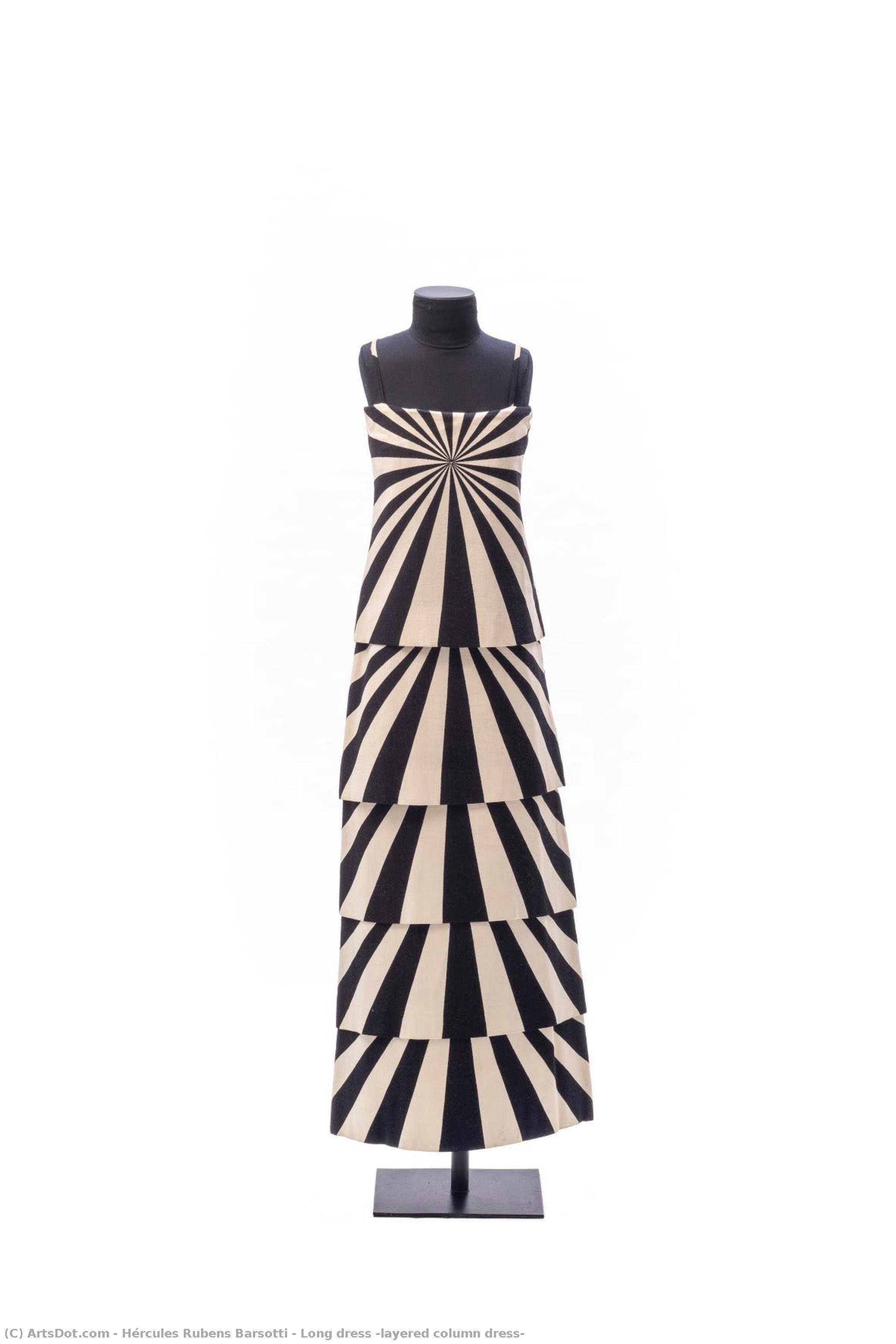
Long dress (layered column dress)


 Read More
Hand Made Oil Reproduction
Hand-painted oil on canvas in your size and frame, made to order by our artists. ( Buy Print Buy Image)




































Pick from our preset sizes that match the artwork's original proportions.

You may enter your own dimensions to fit a specific frame or space. If your selected size does not match the original image's proportions, we will either crop the artwork or extend the painting with additional hand-painted elements. A digital mockup will be sent for your approval before production begins.
Please note that the on-screen preview does not reflect the actual cropping or extension. Only the mockup will accurately show the final composition.
While custom sizes are available, we recommend selecting a dimension from the predefined list to preserve the original proportions.
After order, ArtsDot.com team will email client for instructions and provide a mockup preview
Worldwide Delivery () in 3/4 weeks instead of standard 5 weeks. (28 August). No compromise on quality.

Free Worldwide Express Shipping

High-Quality Linen Canvas

Full Shipping Insurance

Customs Tax Refund Guarantee

True Color Matching Guarantee

60-Day Return Policy (Defects Only)

100% Money-Back Guarantee

Bulk Discount Offer
 Glass option is only available in size under 110 CM

Long dress (layered column dress)
Reproduction Medium
Reproduction Size
-


Total Price
$ 263
Related Artworks


Artist Biography
A Life Immersed in Form: The Multifaceted World of Hércules Rubens Barsotti
Born in São Paulo, Brazil, in 1914, Hércules Rubens Barsotti embarked on a creative journey that spanned painting, graphic design, stage design, and costume creation. His life was not confined to a single artistic discipline; instead, it blossomed as an exploration of visual language across diverse mediums, firmly establishing him as a pivotal figure within the Brazilian Neo-Concrete movement. Barsotti’s early exposure to the vibrant cultural landscape of São Paulo undoubtedly fueled his innate curiosity and willingness to experiment. While details surrounding his formal training remain somewhat elusive, it's clear that he possessed an intuitive grasp of composition, color theory, and form – skills he would hone throughout a career marked by constant innovation. He wasn’t merely *creating* art; he was constructing worlds, evoking emotions, and challenging conventional perceptions of artistic boundaries. His passing in 2010 left a void in the Brazilian art scene, but his legacy continues to inspire artists seeking to transcend traditional categorization.The Embrace of Neo-Concrete: A Revolutionary Aesthetic
Barsotti’s most significant contribution lies within his active participation in the Neo-Concrete movement, which emerged in Brazil during the 1950s as a reaction against the perceived rigidity and intellectualism of Concrete art. While Concrete art prioritized geometric abstraction and objective purity, Neo-Concrete artists sought to reintroduce subjective experience, intuition, and even humor into their work. They aimed for a more dynamic relationship between the artwork, the artist, and the viewer – an engagement that often involved sensory participation and a blurring of the lines between art and life. Barsotti wholeheartedly embraced this philosophy. His paintings, though rooted in abstraction, were rarely devoid of emotional resonance; they pulsed with energy, color, and a playful sense of movement. He wasn’t interested in simply presenting forms but in activating them, inviting viewers to complete the artwork through their own perceptions and interpretations. This commitment to experiential art extended beyond painting into his work as a graphic designer and stage artist.Beyond the Canvas: Graphic Design & Theatrical Innovation
Barsotti’s artistic vision wasn't limited by the confines of traditional gallery walls. He seamlessly transitioned between painting, graphic design, and theatrical production, demonstrating an exceptional ability to adapt his aesthetic principles to different contexts. As a graphic designer, he created striking posters, book covers, and advertisements that reflected the dynamism and optimism of post-war Brazil. His designs were characterized by bold typography, vibrant color palettes, and a playful use of geometric shapes – elements directly influenced by his Neo-Concrete sensibilities. However, it was in the realm of stage design and costume creation that Barsotti truly flourished. He collaborated with leading Brazilian theater companies, crafting immersive environments and visually arresting costumes that transformed performances into multi-sensory experiences. His sets weren’t mere backdrops; they were integral components of the narrative, actively contributing to the emotional impact of the play. He understood how color, texture, and form could manipulate space and evoke specific moods, creating a symbiotic relationship between performance and visual art.Influences & Development: A Synthesis of Styles
Identifying precise influences on Barsotti’s work is complex, as his style evolved through constant experimentation and synthesis. However, several key currents undoubtedly shaped his artistic trajectory. The European avant-garde movements – particularly Constructivism and Surrealism – provided a foundation for his exploration of abstraction and non-representational forms. He was also deeply influenced by the Brazilian modernist movement, which sought to create a uniquely national aesthetic rooted in indigenous culture and local traditions.- Constructivism: The emphasis on geometric shapes and industrial materials resonated with Barsotti’s interest in exploring form and structure.
- Surrealism: The focus on the subconscious and dreamlike imagery encouraged him to embrace intuition and subjective experience.
- Brazilian Modernism: The movement's commitment to national identity inspired Barsotti to incorporate elements of Brazilian culture into his work, albeit in an abstract manner.
Historical Significance & Lasting Legacy
Hércules Rubens Barsotti’s contribution to Brazilian art extends far beyond the individual artworks he created. He was instrumental in shaping the aesthetic principles of the Neo-Concrete movement, advocating for a more dynamic relationship between art, artist, and viewer. His willingness to experiment across diverse mediums – painting, graphic design, stage design, and costume creation – challenged conventional notions of artistic categorization and paved the way for future generations of interdisciplinary artists. His work embodies a uniquely Brazilian sensibility – a vibrant blend of modernist influences, indigenous traditions, and a playful embrace of experimentation. Today, Barsotti’s paintings are held in prominent collections across Brazil and internationally, serving as testaments to his enduring legacy. He remains an important figure for scholars studying the development of Latin American modernism and the evolution of abstract art. More than just an artist, Hércules Rubens Barsotti was a visionary who transformed the visual landscape of Brazil, leaving behind a body of work that continues to inspire awe and provoke contemplation.
hércules rubens barsotti
1914 - 2010 , Brazil