 Preview
 Send
Send Share
Share
 Details

 Download
 Similars
 X-Ray
X-Ray Diaporama
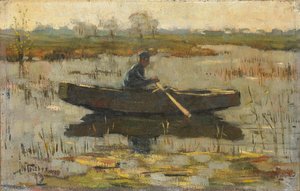
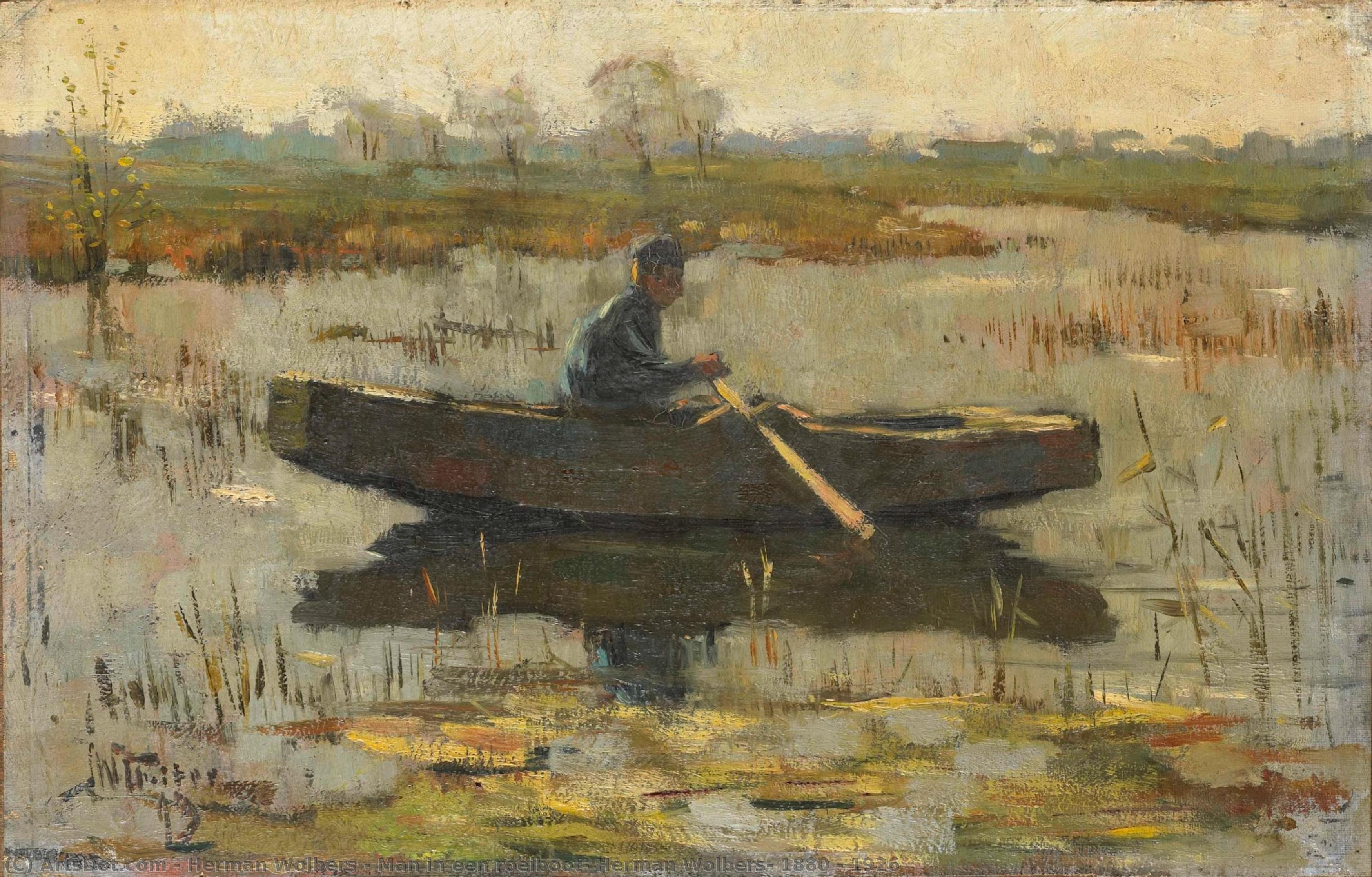
Man in een roeiboot, Herman Wolbers, 1880 - 1926
 1926
1926 27.0 x 41.0 cm
 Read More
Giclée / Art Print
Museum-quality giclée or canvas print with fast production and flexible finish options. ( Buy Hand Made Painting Buy Image)




































Pick from our preset sizes that match the artwork's original proportions.

You may enter your own dimensions to fit a specific frame or space. If your selected size does not match the original image's proportions, we will either crop the artwork or extend the image with a mirrored or solid-fill edge. A digital mockup will be sent for your approval before production begins.
Please note that the on-screen preview does not reflect the actual cropping or extension. Only the mockup will accurately show the final composition.
While custom sizes are available, we recommend selecting a dimension from the predefined list to preserve the original proportions.
Worldwide Delivery () in 2 weeks instead of standard 4/5 weeks. (23 August)

Free Worldwide Express Shipping

High-Quality Linen Canvas

Full Shipping Insurance

Customs Tax Refund Guarantee

True Color Matching Guarantee

60-Day Return Policy (Defects Only)

100% Money-Back Guarantee

Bulk Discount Offer
 Glass option is only available in size under 110 CM

Man in een roeiboot, Herman Wolbers, 1880 - 1926
Giclée / Art Print
Reproduction Size
-


Total Price
$ 63
Collectible Description
Related Artworks









Artist Biography
A Glimpse into the World of Herman Wolbers
The name Herman Wolbers resonates quietly within the annals of early 20th-century Dutch painting, a period brimming with artistic innovation and shifting perspectives. Born in 1880 and still living today, Wolbers’s life and work offer a fascinating, though currently somewhat elusive, window into the transition from traditional realism towards more modern sensibilities. While comprehensive biographical details remain scarce, the available evidence—primarily through his paintings—reveals an artist deeply connected to the landscapes and everyday scenes of his time, imbued with a subtle yet compelling emotional depth.Early Life and Artistic Formation
Details surrounding Wolbers’s early life are presently limited. We know he was born in 1880, placing him squarely within a generation witnessing rapid industrialization and societal change. This context likely influenced his choice of subject matter; rather than grand historical narratives or mythological scenes, Wolbers focused on the quiet dignity of ordinary life. His paintings frequently depict figures engaged in simple activities – notably, as seen in “Man in a Rowboat,” a solitary figure navigating tranquil waters. It is reasonable to assume he received formal artistic training, common for aspiring artists of his era, though specifics regarding his teachers or academic affiliations are currently unknown. The technical skill evident in his work suggests a solid foundation in traditional painting techniques, particularly in rendering light and atmosphere.Themes and Artistic Style
Wolbers’s oeuvre is characterized by a gentle realism that borders on Impressionism, though he never fully embraced the radical departures of movements like Fauvism or Cubism. His palette tends towards muted tones – soft blues, greens, and browns – creating a sense of calm and introspection. The recurring motif of water, as exemplified in “Man in a Rowboat,” is particularly significant. Water often symbolizes transition, reflection, and the subconscious; in Wolbers’s hands, it becomes a vehicle for exploring themes of solitude, contemplation, and the human connection to nature. His figures are not presented as heroic or idealized but rather as individuals quietly existing within their environment. There's a palpable sense of empathy in his portrayal of these subjects, suggesting an artist keenly observant of the nuances of human emotion.Historical Significance and Legacy
While Wolbers may not be a household name, his work occupies an important niche within Dutch art history. He represents a generation of artists who bridged the gap between 19th-century realism and the burgeoning modern movements of the early 20th century. His paintings offer a valuable glimpse into the everyday life of the period, free from overt political or social commentary but rich in subtle emotional resonance. As interest in lesser-known artists grows, Wolbers’s work is gaining renewed attention, appreciated for its quiet beauty and understated power. The fact that he continues to live today adds an intriguing layer to his story—a living link to a bygone era of artistic exploration.Further Exploration
- Explore the available artworks online at ArtsDot.com for a deeper understanding of Wolbers’s style and subject matter.
- Research Dutch painting from the late 19th and early 20th centuries to contextualize his work within broader artistic trends.
- Consider the symbolism of water in art history, particularly its association with themes of transition and reflection.