 Send
Send Share
Share
 Details

 Download
 Similars
 Diaporama
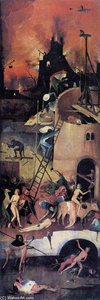
Ascent of the Blessed


 Read More
Giclée / Art Print
Museum-quality giclée or canvas print with fast production and flexible finish options. ( Buy Hand Made Painting Buy Image)




































Pick from our preset sizes that match the artwork's original proportions.

You may enter your own dimensions to fit a specific frame or space. If your selected size does not match the original image's proportions, we will either crop the artwork or extend the image with a mirrored or solid-fill edge. A digital mockup will be sent for your approval before production begins.
Please note that the on-screen preview does not reflect the actual cropping or extension. Only the mockup will accurately show the final composition.
While custom sizes are available, we recommend selecting a dimension from the predefined list to preserve the original proportions.
Worldwide Delivery () in 2 weeks instead of standard 4/5 weeks. (16 August)

Free Worldwide Express Shipping

High-Quality Linen Canvas

Full Shipping Insurance

Customs Tax Refund Guarantee

True Color Matching Guarantee

60-Day Return Policy (Defects Only)

100% Money-Back Guarantee

Bulk Discount Offer
 Glass option is only available in size under 110 CM

Ascent of the Blessed
Giclée / Art Print
Reproduction Size
-


Total Price
$ 63
Collectible Description
Ascent of the Blessed: A Descent into Northern Renaissance Symbolism
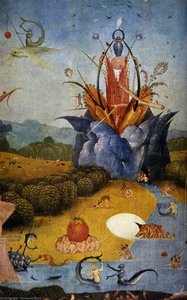
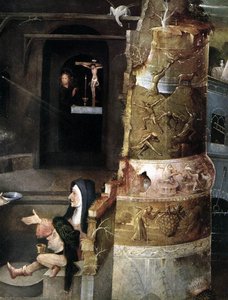
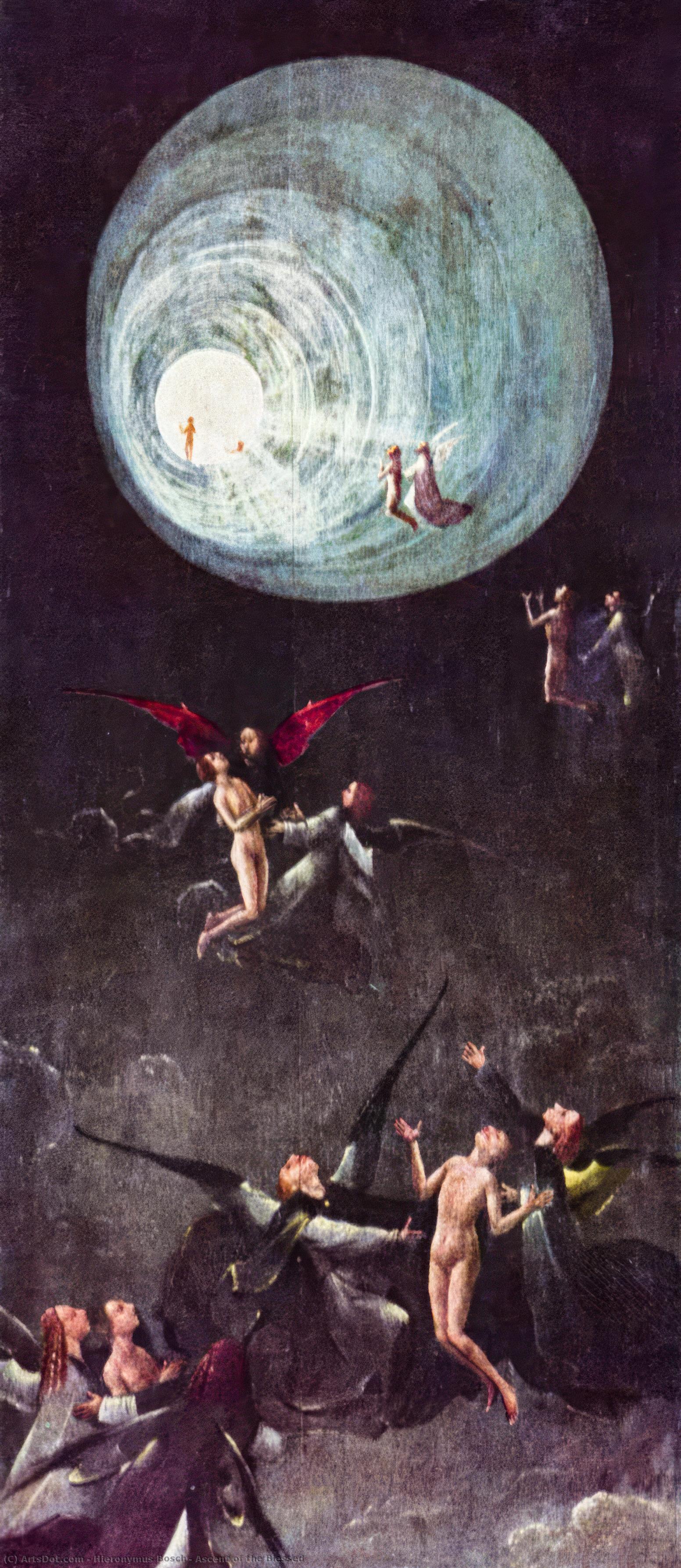
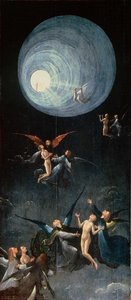
Hieronymus Bosch’s “Ascent of the Blessed,” painted in 1504, is not merely a depiction of religious ascension; it's a profound and unsettling exploration of human morality, sin, and the promise – or threat – of salvation. This oil-on-panel masterpiece, rooted firmly within the Early Netherlandish art movement, offers a glimpse into the mind of one of history’s most enigmatic artists, a master of fantastical imagery and layered symbolism that continues to fascinate viewers centuries later. Bosch, working primarily in ‘s-Hertogenbosch during a period of intense religious fervor and social upheaval, created works that were both beautiful and deeply disturbing, reflecting anxieties about the human condition and the eternal struggle between good and evil.
The painting immediately draws the eye with its dynamic composition. Angels, rendered with an almost unsettling realism, descend from a turbulent sky, guiding a procession of figures towards what appears to be heaven. However, this ascent is far from serene. The individuals accompanying the angels are not uniformly virtuous; they engage in a bewildering array of activities – some appear to be dancing wildly, others are involved in seemingly frivolous pursuits, while still others seem lost in contemplation or even despair. A striking detail—the presence of two handbags—adds an unexpected layer of earthly concern amidst this celestial drama, hinting at the enduring pull of material desires and worldly distractions.
Bosch’s artistic technique is as captivating as his subject matter. The painting showcases a remarkable attention to detail, from the intricate folds of the angels' robes to the expressive faces of the figures below. His use of color is both vibrant and unsettling; rich reds and blues contrast sharply with earthy browns and greens, creating a sense of visual tension. The panel format itself contributes to the work’s impact – the slightly rough surface of the wood lends an immediacy and texture that grounds the fantastical imagery in a tangible reality. Bosch's mastery of oil paint allowed him to achieve incredible luminosity and depth, particularly evident in the depiction of light filtering through the clouds.
The Context of Northern Renaissance Art
To fully appreciate “Ascent of the Blessed,” it’s crucial to understand its place within the broader context of Northern Renaissance art. Emerging independently from Italy, this movement prioritized realism and meticulous detail, often focusing on religious themes with a distinctly moralistic bent. Unlike the idealized figures prevalent in Italian Renaissance painting, Bosch's subjects are frequently grotesque, flawed, and deeply human. The Early Netherlandish style, exemplified by Bosch, was characterized by its innovative use of perspective, atmospheric effects, and symbolic imagery – elements that would profoundly influence generations of artists to come.
Bosch’s work is inextricably linked to the anxieties of his time. The 15th and 16th centuries were marked by religious reform movements, social unrest, and a growing awareness of human sinfulness. Bosch's paintings served as visual sermons, offering stark warnings about the consequences of straying from the righteous path. His frequent depictions of hellish landscapes and demonic figures reflected a deep-seated fear of damnation – a fear that resonated powerfully with audiences who were grappling with questions of faith, morality, and mortality.
Decoding the Symbolism
“Ascent of the Blessed” is replete with symbolic imagery, inviting viewers to engage in a complex interpretation. The angels themselves represent divine grace and guidance, but their expressions are not always welcoming. The figures below are not simply passive recipients of salvation; they actively participate in a chaotic dance between earthly desires and spiritual aspirations. The presence of the handbags, for instance, can be interpreted as a symbol of worldly attachments—a reminder that material possessions and sensual pleasures can impede one’s journey towards heaven.
The bird soaring above the scene is another significant element. Often associated with the Holy Spirit, it represents divine inspiration and guidance. However, its presence also suggests a sense of unease – a reminder that even in the realm of faith, there are forces beyond human comprehension. The overall composition can be seen as an allegory for the human soul’s struggle to overcome temptation and achieve salvation—a journey fraught with peril, uncertainty, and ultimately, hope.
A Legacy of Intrigue
Hieronymus Bosch remains one of art history's most compelling enigmas. His paintings are both beautiful and unsettling, inviting viewers to confront uncomfortable truths about the human condition. “Ascent of the Blessed” stands as a testament to his unique artistic vision—a masterpiece that continues to challenge and inspire generations of art lovers. ArtsDot offers meticulously crafted reproductions of this iconic work, allowing you to experience its power and complexity in stunning detail. Explore our collection of Bosch prints and bring this extraordinary painting into your home or office – a captivating reminder of the enduring mysteries of faith, morality, and the human spirit.
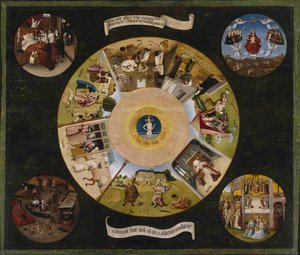
View The Garden of Earthly Delights Reproduction | Explore The Seven Deadly Sins and the Four Last Things Reproduction
Related Artworks
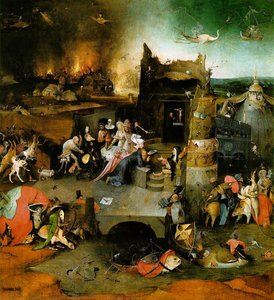
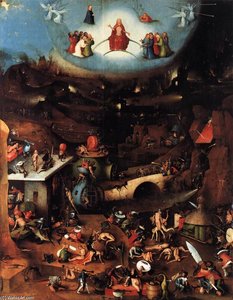
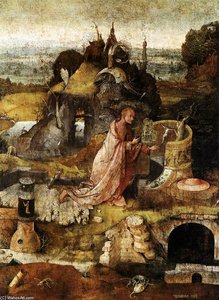
Artist Biography
A Netherlandish Enigma: The Life and Art of Hieronymus Bosch
Born around 1450 in the vibrant, bustling town of ’s-Hertogenbosch in the Netherlands—then part of Brabant—Hieronymus Bosch, originally Jheronimus van Aken, remains one of art history’s most compelling and mysterious figures. His world was steeped in late medieval religious fervor, folklore, and a growing sense of societal unease, all of which would profoundly shape his uniquely unsettling artistic vision. Coming from a family with a long tradition of painting—his grandfather, Jan van Aken, and father, Anthonius van Aken, were both artists—Bosch likely received his earliest training within the family workshop, absorbing the techniques and conventions of Netherlandish painting. However, even in his formative years, he began to diverge from established norms, hinting at the extraordinary imagination that would define his career. Biographical details are frustratingly scarce; records are fragmented, leaving much open to speculation and interpretation, adding to the aura of mystique surrounding both the man and his work. He married Aleyt Goyaerts van den Meerveen sometime before 1481, a union that provided him with some financial security through her family’s holdings, but little else is known about their personal life.Fantastical Visions and Symbolic Depths
Bosch's artistic style is instantly recognizable—a captivating blend of meticulous detail and wildly imaginative imagery. He primarily worked with oil on oak panels, demonstrating a masterful command of the medium, achieving luminous colors and intricate textures. While his early works show influences from traditional Netherlandish painting, particularly in their realism and attention to detail, he quickly moved beyond mere imitation, developing a profoundly original vision. His paintings are not simply representations of reality; they are allegorical landscapes populated by bizarre creatures, hybrid beings, and unsettling scenes that seem plucked from dreams—or nightmares. Religious themes form the core of much of his work, but these are rarely straightforward depictions of biblical stories. Instead, Bosch uses symbolism to explore complex moral and theological concepts, often focusing on the dangers of sin, the fragility of earthly pleasures, and the inevitability of divine judgment. His creatures—grotesque demons, fantastical animals, and strangely human figures—are not merely decorative elements; they are embodiments of vice, temptation, and spiritual corruption. The blending of the sacred and the profane, the beautiful and the grotesque, creates a uniquely unsettling effect that continues to captivate viewers centuries later.Masterpieces of Moral Allegory
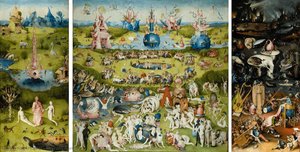
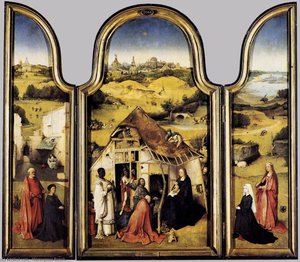
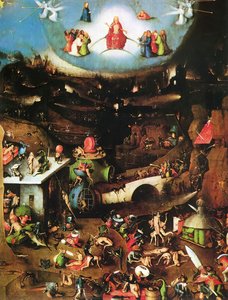
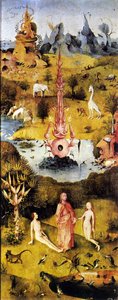
Among Bosch’s most celebrated achievements is The Garden of Earthly Delights (c. 1490-1510), a triptych that remains one of the most enigmatic and debated works in art history. When opened, it presents a panoramic vision of paradise, earthly life, and hell—a complex allegorical representation of humanity’s fall from grace. The left panel depicts the Garden of Eden, teeming with fantastical creatures and lush vegetation; the central panel portrays a world consumed by sensual pleasure and unrestrained desire; and the right panel offers a terrifying glimpse into the torments of hell. The Triptych of the Last Judgement (c. 1480-1490) is another powerful example of his skill in portraying both heavenly bliss and infernal torment, while The Ascent of the Blessed (c. 1480-1490) demonstrates his ability to create ethereal and dreamlike scenes. Even smaller works like Epiphany (c. 1495) showcase his innovative use of oil on wood and complex symbolism, revealing a mind constantly grappling with profound questions about faith, morality, and the human condition.Legacy and Enduring Influence
Identifying Bosch’s direct influences is a challenging task, given the originality of his vision. Scholars suggest possible connections to medieval folklore, religious texts—particularly those emphasizing apocalyptic themes—and the prevailing anxieties of the time, including fears of heresy and social upheaval. However, it's clear that he synthesized these elements into something entirely new and uniquely his own. His impact on subsequent artists is undeniable. Pieter Bruegel the Elder directly followed in his footsteps, adopting similar themes and compositional techniques, while later movements, such as Surrealism, also drew inspiration from Bosch’s dreamlike imagery and exploration of the subconscious. Artists like Salvador Dalí and Max Ernst openly acknowledged their debt to his unsettling visions. Even today, Bosch's work continues to fascinate and provoke debate, solidifying his place as a master of Netherlandish painting and a visionary artist whose influence extends far beyond his own time. His paintings offer valuable insights into the religious, social, and psychological climate of the late 15th and early 16th centuries, challenging conventional norms and paving the way for new forms of artistic expression. He died in 1516, leaving behind a body of work that continues to haunt and inspire, ensuring his enduring legacy as one of art history’s most singular and unforgettable voices.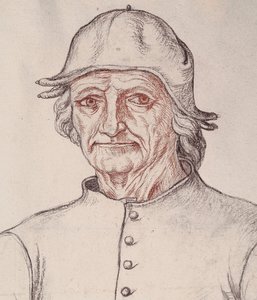
Hieronymus Bosch
1450 - 1516 , Netherlands
Quick Facts
- Artistic Movement Or Style: Surrealism, Symbolism
- Artists Or Movements Influenced By This Artist:
- Pieter Bruegel the Elder
- Surrealism
- Date Of Birth: c. 1450
- Date Of Death: 1516
- Full Name: Hieronymus Bosch
- Nationality: Dutch
- Notable Artworks:
- Garden of Earthly Delights
- Last Judgement Triptych
- Ascent of the Blessed
- Epiphany
- Place Of Birth: Den Bosch, Netherlands
Related Articles
Hieronymus Bosch's Masterpieces: 25 Visions of Art & Morality | ArtsDot
Delve into the enigmatic world of Hieronymus Bosch! Explore 25 iconic paintings – from 'The Garden of Earthly Delusions' to his haunting triptychs. Discover the symbolism, history & artistry behind these Renaissance masterpieces. Find museum-quality art reproductions at ArtsDot.com.
Hieronymus Bosch: Decoding the Visions of a Netherlandish Master
Explore the captivating world of Hieronymus Bosch! Delve into the symbolism, religious context, and artistic innovation of this Netherlandish master with ArtsDot's expert analysis. Discover his iconic paintings & lasting influence.
Prado Masterpieces: Explore 25 Iconic Artworks & Bring Spanish Beauty Home
Journey through 25 Prado Museum masterpieces! Explore Velázquez, Goya & El Greco's iconic Spanish art. Discover the stories behind these timeless paintings and find museum-quality reproductions for your home at ArtsDot.com.
Northern Renaissance Masters: 10 Artworks That Shaped History |
Journey through the Northern Renaissance! Explore 10 iconic paintings by Jan van Eyck, Dürer & Bosch. Discover their stories, techniques & lasting impact. Find museum-quality art reproductions & elevate your home decor on .
Staatliche Museen Berlin: 25 Masterpieces for Your Home | ArtsDot
Journey through 25 iconic artworks at Staatliche Museen Berlin! Explore Nefertiti, Pergamon Altar & masterpieces of German art history. Find museum-quality reproductions & curated decor ideas to bring timeless beauty home. Discover all masterpieces on ArtsDot.com.