

 Preview
 Send
Send Share
Share
 Details

 Download
 Similars
 X-Ray
X-Ray Diaporama
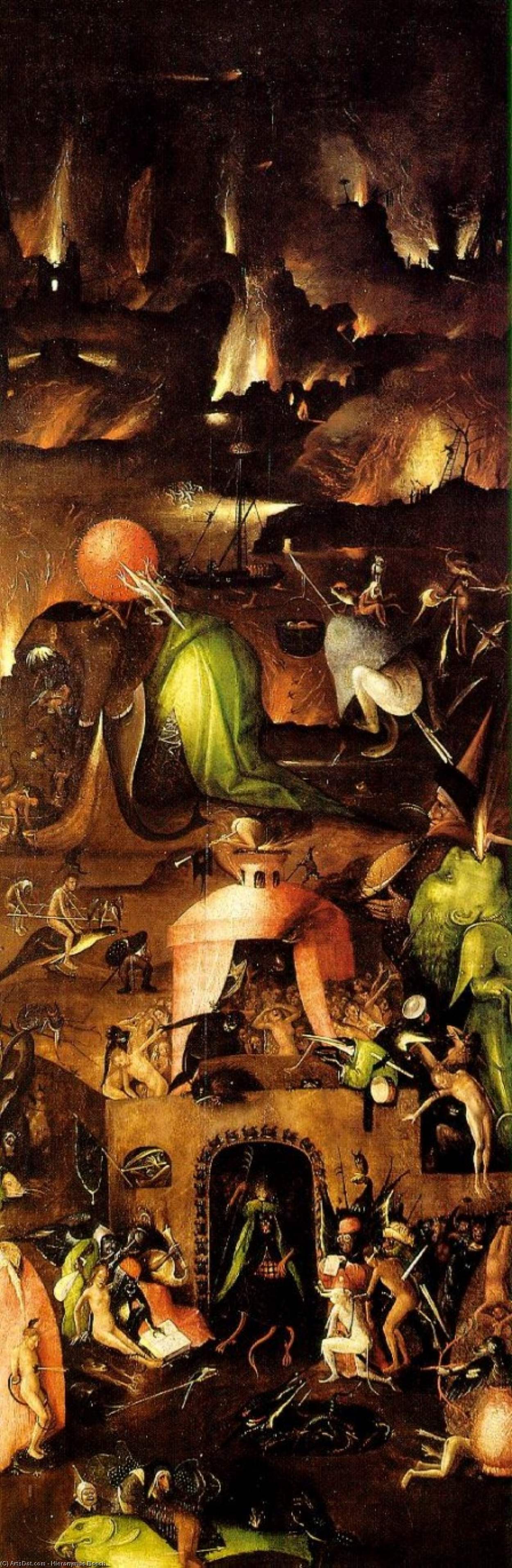
Last Judgment, right wing
 Oil On Canvas
- WallArt
- Surrealist Symbolism
 60.0 x 167.0 cm
 Read More
Purchase a high-resolution, enhanced digital image, far superior to the online preview.
Each file is meticulously prepared by our in-house specialists using advanced tools and expert manual retouching. We ensure every image has exceptional clarity, precise color accuracy, and fine detail.
The final file is delivered via email within 72 hours, optimized for immediate use in professional, editorial, and print environments. This is the same quality trusted by top-tier design studios, publishers, and galleries.
Digital Image
Download a high-resolution file for personal display, printing, and creative projects. ( Buy Print Buy Hand Made Painting)
Included in Every Digital Image Order
Expert Digital Delivery, Guaranteed
When you choose ArtsDot.com, you're not just getting an image - you're receiving a professionally enhanced digital artwork, crafted with precision and backed by a satisfaction guarantee. Here's everything that comes with your order, automatically:

Fast Email Delivery
Your high-resolution digital image file will be emailed to you within 72 hours of ordering - ready for immediate use.

AI-Enhanced Digital File
Your artwork is professionally optimized using advanced AI tools and manual editing, ensuring maximum detail, clarity, and color accuracy.

Free Lifetime Re-Delivery
Accidentally deleted or lost your file? No worries - we'll resend it to you anytime, free of charge.

No Import Fees - Ever
Enjoy your artwork instantly with zero customs, duties, or delivery fees - digital downloads are always tax-free.

Color Accuracy Guarantee
We ensure your digital image reflects the original colors as closely as possible using professional tools and color management.

60-Day Satisfaction Guarantee
If you're not satisfied with your digital image, we'll revise it or refund 100% within 60 days - no questions asked.

100% Money-Back Guarantee
Not satisfied? Get a full refund within 60 days of receiving your digital file - no questions asked.

Bulk Order Discounts
Buy 3 images, save 10% - Buy 5, save 15% - Buy 10+, save 20%. Great for creative projects, galleries, and agencies.
Collectible Description
The Unsettling Vision: An Introduction to Bosch's "Last Judgment"
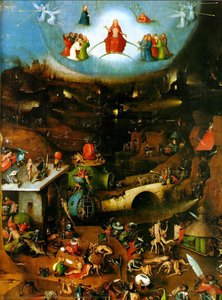
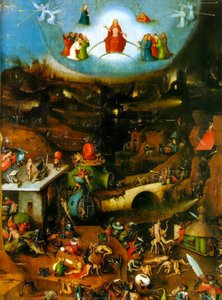
Hieronymus Bosch’s “Last Judgment, Right Wing,” a monumental panel from his triptych of the same name, isn’t merely a depiction of judgment; it’s an immersive descent into the very architecture of sin and punishment. Painted around 1503-1514, this section of the work offers a visceral glimpse into Bosch's profoundly unsettling vision of humanity’s moral state – a world where earthly pleasures morph into instruments of eternal torment. Born in ’s-Hertogenbosch, Netherlands, during a period of intense religious fervor and burgeoning societal anxieties, Bosch developed a unique artistic language that blended meticulous detail with fantastical imagery, creating scenes both terrifyingly real and profoundly symbolic.
The panel immediately assaults the viewer with its oppressive darkness. A chaotic assembly of figures – some writhing in agony, others passively accepting their fate – is crammed into a bizarre landscape dominated by grotesque structures and unsettling details. The sheer density of bodies, coupled with Bosch’s masterful use of perspective, creates an overwhelming sense of claustrophobia and impending doom. This isn't the serene judgment often portrayed in religious art; it’s a brutal confrontation with our own mortality and the consequences of our choices.
A Symphony of Symbolism: Decoding the Scene
Bosch’s work is renowned for its intricate symbolism, and this section offers a starting point for understanding the panel's complex narrative. The central figure, a towering, almost monstrous being resembling a judge or angel, oversees the proceedings. Beneath him lies a swirling vortex of souls – some ascending to paradise, others plummeting into hell. Notice the meticulously rendered details: the decaying fruit representing earthly temptations, the chained figures symbolizing sin, and the bizarre assortment of animals, each carrying its own symbolic weight. The bird on the left, often interpreted as an angel or a messenger, adds another layer of ambiguity to the scene.
The landscape itself is a key element of Bosch’s symbolism. It's a warped reflection of earthly delights – a lavish banquet overflowing with decadent food and drink, juxtaposed against the stark reality of eternal damnation. The presence of a giant, grotesque tree, laden with fruit, speaks to the corruption of innocence and the allure of worldly pleasures. Even seemingly innocuous details, like the numerous skulls scattered throughout the scene, serve as constant reminders of death and decay.
Technique and Context: A Master’s Approach
Bosch's technique is characterized by an extraordinary level of detail and a masterful command of oil paint. He employed a layering technique, building up colors and textures to create a remarkably realistic – albeit disturbing – effect. The figures are rendered with meticulous precision, capturing their expressions of anguish, despair, and resignation. His use of perspective is particularly noteworthy; he creates a sense of depth and spatial complexity that draws the viewer into the scene.
The “Last Judgment” panel was likely commissioned for a private collector or religious institution, possibly in Spain or Austria, reflecting Bosch’s extensive travels throughout his career. It's believed to be part of a larger triptych, with the left wing depicting the Garden of Eden and the right wing portraying Paradise. Understanding this broader context is crucial to appreciating the full scope of Bosch’s vision – a complex meditation on sin, redemption, and the human condition.
Emotional Resonance: A Timeless Exploration of Fear
Despite its unsettling imagery, “Last Judgment, Right Wing” resonates deeply with viewers centuries after its creation. It taps into our primal fears about death, judgment, and the consequences of our actions. Bosch’s work isn't simply a depiction of hell; it’s an exploration of the darkness within ourselves – the temptations that lead us astray, the sins we commit, and the potential for eternal punishment. The panel serves as a powerful reminder of the importance of moral responsibility and the enduring struggle between good and evil.
Related Artworks
Artist Biography
A Netherlandish Enigma: The Life and Art of Hieronymus Bosch
Born around 1450 in the vibrant, bustling town of ’s-Hertogenbosch in the Netherlands—then part of Brabant—Hieronymus Bosch, originally Jheronimus van Aken, remains one of art history’s most compelling and mysterious figures. His world was steeped in late medieval religious fervor, folklore, and a growing sense of societal unease, all of which would profoundly shape his uniquely unsettling artistic vision. Coming from a family with a long tradition of painting—his grandfather, Jan van Aken, and father, Anthonius van Aken, were both artists—Bosch likely received his earliest training within the family workshop, absorbing the techniques and conventions of Netherlandish painting. However, even in his formative years, he began to diverge from established norms, hinting at the extraordinary imagination that would define his career. Biographical details are frustratingly scarce; records are fragmented, leaving much open to speculation and interpretation, adding to the aura of mystique surrounding both the man and his work. He married Aleyt Goyaerts van den Meerveen sometime before 1481, a union that provided him with some financial security through her family’s holdings, but little else is known about their personal life.Fantastical Visions and Symbolic Depths
Bosch's artistic style is instantly recognizable—a captivating blend of meticulous detail and wildly imaginative imagery. He primarily worked with oil on oak panels, demonstrating a masterful command of the medium, achieving luminous colors and intricate textures. While his early works show influences from traditional Netherlandish painting, particularly in their realism and attention to detail, he quickly moved beyond mere imitation, developing a profoundly original vision. His paintings are not simply representations of reality; they are allegorical landscapes populated by bizarre creatures, hybrid beings, and unsettling scenes that seem plucked from dreams—or nightmares. Religious themes form the core of much of his work, but these are rarely straightforward depictions of biblical stories. Instead, Bosch uses symbolism to explore complex moral and theological concepts, often focusing on the dangers of sin, the fragility of earthly pleasures, and the inevitability of divine judgment. His creatures—grotesque demons, fantastical animals, and strangely human figures—are not merely decorative elements; they are embodiments of vice, temptation, and spiritual corruption. The blending of the sacred and the profane, the beautiful and the grotesque, creates a uniquely unsettling effect that continues to captivate viewers centuries later.Masterpieces of Moral Allegory
Among Bosch’s most celebrated achievements is The Garden of Earthly Delights (c. 1490-1510), a triptych that remains one of the most enigmatic and debated works in art history. When opened, it presents a panoramic vision of paradise, earthly life, and hell—a complex allegorical representation of humanity’s fall from grace. The left panel depicts the Garden of Eden, teeming with fantastical creatures and lush vegetation; the central panel portrays a world consumed by sensual pleasure and unrestrained desire; and the right panel offers a terrifying glimpse into the torments of hell. The Triptych of the Last Judgement (c. 1480-1490) is another powerful example of his skill in portraying both heavenly bliss and infernal torment, while The Ascent of the Blessed (c. 1480-1490) demonstrates his ability to create ethereal and dreamlike scenes. Even smaller works like Epiphany (c. 1495) showcase his innovative use of oil on wood and complex symbolism, revealing a mind constantly grappling with profound questions about faith, morality, and the human condition.Legacy and Enduring Influence
Identifying Bosch’s direct influences is a challenging task, given the originality of his vision. Scholars suggest possible connections to medieval folklore, religious texts—particularly those emphasizing apocalyptic themes—and the prevailing anxieties of the time, including fears of heresy and social upheaval. However, it's clear that he synthesized these elements into something entirely new and uniquely his own. His impact on subsequent artists is undeniable. Pieter Bruegel the Elder directly followed in his footsteps, adopting similar themes and compositional techniques, while later movements, such as Surrealism, also drew inspiration from Bosch’s dreamlike imagery and exploration of the subconscious. Artists like Salvador Dalí and Max Ernst openly acknowledged their debt to his unsettling visions. Even today, Bosch's work continues to fascinate and provoke debate, solidifying his place as a master of Netherlandish painting and a visionary artist whose influence extends far beyond his own time. His paintings offer valuable insights into the religious, social, and psychological climate of the late 15th and early 16th centuries, challenging conventional norms and paving the way for new forms of artistic expression. He died in 1516, leaving behind a body of work that continues to haunt and inspire, ensuring his enduring legacy as one of art history’s most singular and unforgettable voices.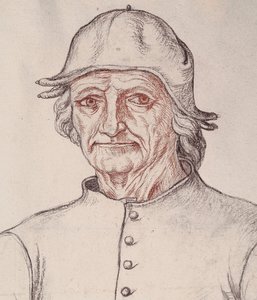
Hieronymus Bosch
1450 - 1516 , Netherlands
Quick Facts
- Artistic Movement Or Style: Surrealism, Symbolism
- Artists Or Movements Influenced By This Artist:
- Pieter Bruegel the Elder
- Surrealism
- Date Of Birth: c. 1450
- Date Of Death: 1516
- Full Name: Hieronymus Bosch
- Nationality: Dutch
- Notable Artworks:
- Garden of Earthly Delights
- Last Judgement Triptych
- Ascent of the Blessed
- Epiphany
- Place Of Birth: Den Bosch, Netherlands

