 Preview
 Send
Send Share
Share
 Details

 Download
 Similars
 X-Ray
X-Ray Diaporama
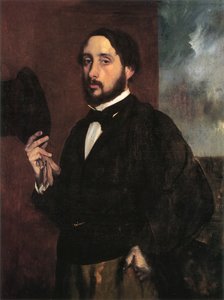
Achille De Gas


 Read More
Hand Made Oil Reproduction
Hand-painted oil on canvas in your size and frame, made to order by our artists. ( Buy Print Buy Image)




P118B $10

P118H $10

P118W $10

P438Z $10

P508JH $12

P508YH $12

P805H $10

P805Z $10

P919BZ $10

P919G $10

P919XJ $10

P959ZH $10

P968JZ $12

W106C $8

W218G $10

W218JH $8

W218Y $10

W307PJ $10

W316G $10

W316PJ $8

W316Y $10

W398PJ $8

W4111J $10

W500HY $15

W500JH $15

W692G $12

W849H $8

W940BG $15

W953PJ $8




Pick from our preset sizes that match the artwork's original proportions.

You may enter your own dimensions to fit a specific frame or space. If your selected size does not match the original image's proportions, we will either crop the artwork or extend the painting with additional hand-painted elements. A digital mockup will be sent for your approval before production begins.
Please note that the on-screen preview does not reflect the actual cropping or extension. Only the mockup will accurately show the final composition.
While custom sizes are available, we recommend selecting a dimension from the predefined list to preserve the original proportions.
After order, ArtsDot.com team will email client for instructions and provide a mockup preview
Worldwide Delivery () in 3/4 weeks instead of standard 5 weeks. (17 August). No compromise on quality.

Free Worldwide Express Shipping

High-Quality Linen Canvas

Full Shipping Insurance

Customs Tax Refund Guarantee

True Color Matching Guarantee

60-Day Return Policy (Defects Only)

100% Money-Back Guarantee

Bulk Discount Offer
 Glass option is only available in size under 110 CM

Achille De Gas
Reproduction Medium
Reproduction Size
-


Total Price
$ 263
Artwork Description
Achille De Gas: A Study in Formal Grace Amidst Impressionistic Light
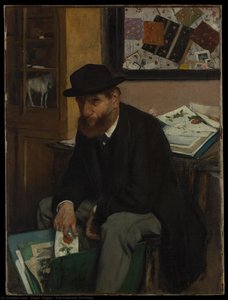
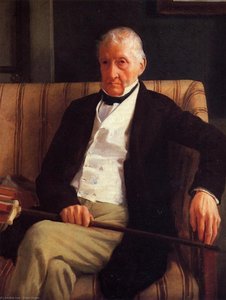
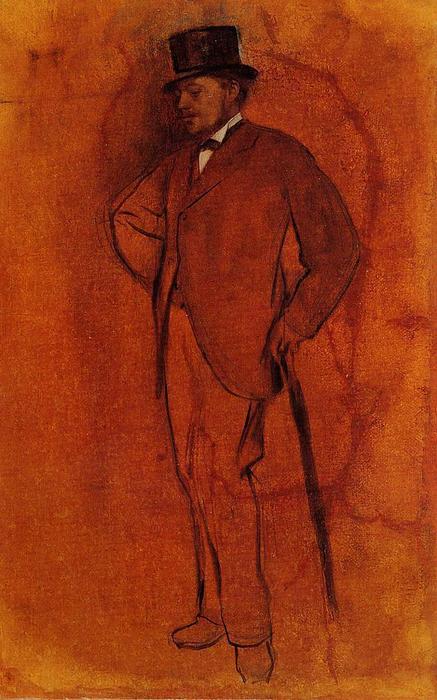
Edgar Degas’s “Achille De Gas,” completed in 1872, stands as a cornerstone of Impressionism—a movement that irrevocably altered the course of Western art history. More than just a portrait, it embodies Degas's profound understanding of human form and his masterful manipulation of light and color to convey mood and atmosphere. This captivating artwork captures a moment frozen in time, presenting a young man dressed impeccably in formal attire—a suit and hat—against an understated orange backdrop that lends warmth and vibrancy to the composition.- Subject Matter: The painting depicts Achille De Gas, a prominent figure of his era, embodying aristocratic elegance and confidence. Degas meticulously rendered his posture, capturing the subtle tension of stillness as he leans against a chair, conveying an air of quiet authority.
- Style & Technique: While categorized as Impressionism, “Achille De Gas” diverges from many of its contemporaries in its commitment to classical realism. Degas eschewed plein air painting—outdoor landscapes—opting instead for studio work where he could achieve greater control over his pigments and textures. He employed a technique characterized by broken brushstrokes—small, irregular marks of color that blend optically rather than physically—creating an illusion of shimmering light and capturing the nuances of skin tone and fabric texture.
- Historical Context: The painting emerged during a period of significant artistic experimentation in Paris. Impressionists challenged academic conventions, rejecting idealized representations of beauty in favor of depicting everyday life with honesty and immediacy. Degas’s work reflects this spirit of innovation, aligning with the broader movement's desire to capture fleeting moments and subjective perceptions.
- Color Palette: The dominant orange hue serves as more than just a decorative element; it subtly illuminates De Gas’s figure and contributes to the painting’s overall mood. Degas skillfully blended shades of ochre, amber, and terracotta, creating a harmonious color scheme that enhances the sense of warmth and sophistication.
- Symbolism: The formal attire—the suit and hat—represents social status and adherence to tradition. However, Degas's focus on De Gas’s posture and gaze suggests an exploration of inner character—a quiet contemplation amidst outward appearances.
Exploring Degas’s Mastery of Light and Texture
Degas’s meticulous attention to detail is evident in every aspect of “Achille De Gas.” He painstakingly rendered the folds of De Gas's jacket, capturing the subtle sheen of fabric—a hallmark of Impressionistic technique. Furthermore, he skillfully blended shades of ochre, amber, and terracotta, creating a harmonious color scheme that enhances the sense of warmth and sophistication. The artist’s masterful use of light contributes to the painting’s dramatic effect, highlighting De Gas's face and torso while casting soft shadows across his clothing—a testament to Degas’s ability to convey emotion through visual cues.A Legacy of Impressionistic Portraiture
“Achille De Gas” stands alongside other iconic portraits by Degas—such as “Woman Seated on a Canape” and “Racehorses before the Stands”—demonstrating his unwavering dedication to capturing human experience with both psychological depth and artistic brilliance. These paintings exemplify Degas’s pioneering approach to portraiture, prioritizing observation and emotion over idealized representation. They continue to inspire artists and collectors alike, cementing Degas's place as one of the most influential figures in Impressionist art history.Discover More About Edgar Degas
For those eager to delve deeper into the life and work of Edgar Degas, a visit to the Musée d’Orsay in Paris offers invaluable insights into his artistic trajectory and contributions to the Impressionist movement. Explore the museum's extensive collection of Degas paintings—including “Achille De Gas”—and immerse yourself in the vibrant atmosphere of 19th-century Parisian art. Alternatively, explore resources available on ArtsDot.com for a comprehensive understanding of Degas’s artistic legacy and his enduring influence on contemporary art.Related Artworks





Artist Biography
A Life Immersed in Movement
Born Hilaire-Germain-Edgar De Gas in Paris, 1834, Edgar Degas was an artist of fascinating contradictions. While often grouped with the Impressionists—Monet, Renoir, and others who revolutionized painting in the late 19th century—he actively resisted that label, identifying instead as a realist. This commitment stemmed from his meticulous observation of the world around him and a dedication to portraying it with unflinching honesty. Degas’s early life was comfortably bourgeois; his father was a banker, and his mother hailed from a Creole family in New Orleans. This background afforded him access to education and artistic training, though he often chafed against academic constraints. He initially enrolled at the Lycée Louis-le-Grand, but his true education began when he started copying works in the Louvre, honing his skills and igniting a lifelong passion for classical art. However, Degas’s path wasn't one of strict adherence to tradition; it was marked by constant questioning and reevaluation of artistic norms. He possessed an independent spirit that would define his entire career.
Beyond Impressionism: A Unique Artistic Vision
While contemporaries like Monet chased the fleeting effects of light outdoors, Degas largely worked within the confines of his studio, meticulously constructing scenes from observation and memory. His subject matter was decidedly modern—a departure from the historical or mythological themes favored by many academic painters. He found inspiration in the everyday lives of Parisians: laundresses, cabaret singers, milliners, and, most famously, dancers. It is this fascination with ballet that defines much of his oeuvre. Degas didn’t simply paint beautiful ballerinas; he captured the grueling reality of their profession—the endless rehearsals, the physical strain, the fleeting moments of grace amidst a world of hard work. His compositions are often unconventional, cropping figures in unexpected ways and utilizing asymmetrical arrangements that create a sense of dynamism and immediacy. He was a master of capturing movement, not through blurred lines or hazy effects, but through precise observation and careful rendering of form. Dancer, A Group of Dancers, and Women Combing Their Hair are prime examples of this dedication to portraying the human figure in motion and revealing the complexities of modern life. He wasn’t interested in superficial beauty; he sought to reveal the truth beneath the surface.
Influences and Artistic Development
Degas’s artistic journey was shaped by a diverse range of influences. His early training emphasized classical principles, particularly the work of Jean-Auguste-Dominique Ingres, whose emphasis on draftsmanship and precise form left a lasting impression. However, Degas also admired the Realists, such as Gustave Courbet, who challenged academic conventions and championed the depiction of contemporary life. A pivotal moment in his development came through his association with Camille Pissarro, a leading Impressionist who introduced him to other artists and encouraged him to experiment with new techniques. He was captivated by Japanese prints—Ukiyo-e—which influenced his use of asymmetrical compositions, flattened perspectives, and bold patterns. He also embraced photography, recognizing its potential as a tool for studying movement and capturing fleeting moments in time. This willingness to incorporate diverse influences into his work is what sets Degas apart and contributes to the unique character of his art. He wasn’t afraid to borrow from different sources, synthesizing them into something entirely new.
Legacy and Lasting Impact
Edgar Degas died in Paris in 1917, leaving behind a body of work that continues to captivate and inspire audiences today. His innovative approach to composition, his masterful draftsmanship, and his unflinching portrayal of modern life have had a profound impact on the course of art history. He paved the way for future generations of artists who sought to break free from traditional conventions and explore new ways of representing the world around them. His influence can be seen in the work of Pablo Picasso and Henri Matisse, among others. Museums worldwide—including the Musée d'Orsay and the Musée de l’Orangerie in Paris—house significant collections of his paintings, pastels, sculptures, and prints, ensuring that his legacy will endure for generations to come. Degas wasn’t merely a painter of dancers or racehorses; he was a keen observer of human nature, a master of form and movement, and a true innovator who redefined the possibilities of art.
- A Master of Line: Degas's exceptional draftsmanship set him apart.
- Modern Life as Subject: He focused on contemporary Parisian scenes, breaking from tradition.
- Influence on Future Artists: His work profoundly impacted Picasso and Matisse.
Edgar Degas
1834 - 1917 , France
Quick Facts
- Artistic Movement Or Style: Impressionism, Realism
- Artists Or Movements Influenced By This Artist:
- Picasso
- Matisse
- Artists Who Influenced This Artist:
- Ingres
- Courbet
- Pissarro
- Date Of Birth: 1834
- Date Of Death: 1917
- Full Name: Hilaire-Germain-Edgar De Gas
- Nationality: French
- Notable Artworks:
- Dancer and Tambourine
- The Ballet Class
- Degas in a Green Jacket
- The Collector
- Women Combing Their Hair
- Place Of Birth: Paris, France
Related Articles

Demandes Commerciales
APS ofrece reproducciones de bellas artes y encargos personalizados desde 2004. Confían en nosotros corporaciones, hoteles y coleccionistas selectos para obras de arte de calidad museística, servicio discreto y soluciones artísticas completas. ¡Póngase en contacto con nosotros para obtener un presupuesto personalizado!

Goya's Masterpieces: Explore 25 Iconic Paintings & Art Prints | ArtsDot
Delve into the world of Francisco Goya with ArtsDot. Explore 25 iconic paintings – from 'The Third of May' to his haunting Black Paintings. Discover the stories, techniques & emotions behind these Spanish masterpieces. Find museum-quality art reproductions for your home at ArtsDot.com!
Edgar Degas: Capturing Modern Life – A Study of Movement, Observation, and the Parisian Belle Époque
Explore the captivating world of Edgar Degas! Discover his innovative techniques, iconic ballet paintings, and unique portrayal of Parisian life in this insightful art history study.

A riguardo di noi
Découvrez notre histoire ! Nous apportons l'art de classe mondiale dans votre vie grâce à une sélection experte, des créations personnalisées et des aperçus gratuits. Approuvé par les particuliers et les entreprises depuis 2000.

Impressionism's Masterpieces: 10 Paintings That Defined a Movement | ArtsDot
Journey through Impressionism's heart with 10 iconic paintings by Monet, Renoir & Degas. Explore light, color & the stories behind these masterpieces. Find museum-quality art reproductions and elevate your home decor on ArtsDot.com.