 Preview
 Send
Send Share
Share
 Details

 Download
 Similars
 X-Ray
X-Ray Diaporama
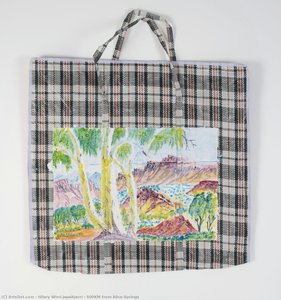
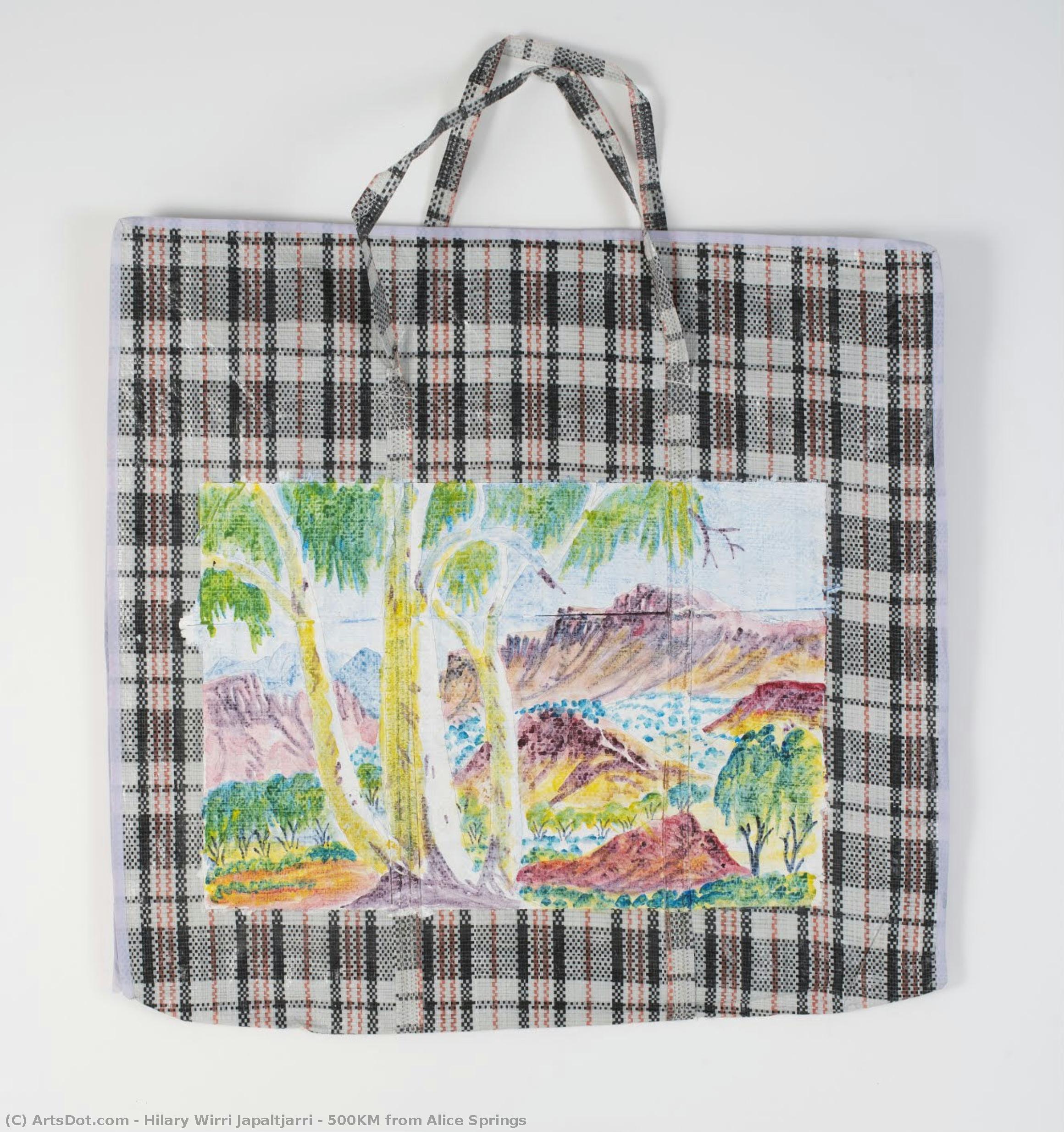
500KM from Alice Springs
 2019
2019 59.0 x 64.0 cm
 Biennale of Sydney
 Read More
Hand Made Oil Reproduction
Hand-painted oil on canvas in your size and frame, made to order by our artists. ( Buy Print Buy Image)




































Pick from our preset sizes that match the artwork's original proportions.

You may enter your own dimensions to fit a specific frame or space. If your selected size does not match the original image's proportions, we will either crop the artwork or extend the painting with additional hand-painted elements. A digital mockup will be sent for your approval before production begins.
Please note that the on-screen preview does not reflect the actual cropping or extension. Only the mockup will accurately show the final composition.
While custom sizes are available, we recommend selecting a dimension from the predefined list to preserve the original proportions.
After order, ArtsDot.com team will email client for instructions and provide a mockup preview
Worldwide Delivery () in 3/4 weeks instead of standard 5 weeks. (27 August). No compromise on quality.

Free Worldwide Express Shipping

High-Quality Linen Canvas

Full Shipping Insurance

Customs Tax Refund Guarantee

True Color Matching Guarantee

60-Day Return Policy (Defects Only)

100% Money-Back Guarantee

Bulk Discount Offer
 Glass option is only available in size under 110 CM

500KM from Alice Springs
Reproduction Medium
Reproduction Size
-


Total Price
$ 263
Artwork Description
Related Artworks





Artist Biography
Hilary Wirri Japaltjarri: Echoes of the Hermannsburg School
Born in 1956 at Raggeds Well, a small settlement near Papunya in Western Australia’s remote Northern Territory, Hilary Wirri Japaltjarri is a significant voice within contemporary Australian Aboriginal art. His journey as an artist began later than many of his peers, influenced by the rich artistic traditions of his people and the legacy of masters like Albert Namatjira. Wirri's work stands firmly within the ‘Hermannsburg School’ style, a distinctive approach to watercolour painting that emerged from the Hermannsburg Mission in the early 20th century – a tradition he embraced after witnessing its practitioners as a young boy.
Early Life and Artistic Roots
Wirri's upbringing was deeply intertwined with the Luritja language group, a vital component of his cultural identity. Growing up near Papunya provided him with an intimate connection to the land – the vast, ochre-colored deserts, the ancient rock formations, and the stories embedded within its landscape. Crucially, he spent much of his childhood observing and learning from established Hermannsburg School artists, including Keith Namatjira, Edwin Pareroultja, and Joshua Ebatjarinja. These encounters were formative, instilling in him a deep respect for the techniques and aesthetic values of this celebrated group. His early years were also marked by a passion for music, particularly guitar playing – an activity that undoubtedly informed his eye for composition and rhythm within his paintings.
The Hermannsburg School Style
Wirri’s artistic style is immediately recognizable as belonging to the Hermannsburg School. Characterized by its use of vibrant watercolors on board, the style emphasizes a direct observation of the landscape, often depicting familiar scenes from daily life and the surrounding environment. Like his predecessors, Wirri employs a simplified yet evocative approach, prioritizing clarity and emotional resonance over meticulous detail. The paintings are imbued with a sense of quiet contemplation, reflecting the spiritual connection between the Aboriginal people and their land. His palette is typically dominated by earthy tones – ochres, reds, browns, and yellows – mirroring the colors of the desert itself. The influence of Albert Namatjira is particularly evident in Wirri’s use of light and shadow, creating a luminous quality that captures the essence of the Australian outback.
Themes and Subject Matter
Wirri's paintings predominantly focus on landscapes – vast, open plains, mesas, and gorges. He frequently depicts scenes from his ancestral lands, capturing the beauty and serenity of the desert environment. While rooted in realism, his work also carries a deeper symbolic meaning, reflecting the spiritual connection between Aboriginal people and their country. Many of his compositions evoke a sense of timelessness, suggesting an enduring relationship between humanity and nature. Recurring motifs include waterholes, rock formations, and native flora and fauna – elements that hold significant cultural importance for the Luritja people.
Recognition and Legacy
Hilary Wirri’s work has gained increasing recognition within Australia's art community. He is represented by several prestigious galleries, including Kate Owen Gallery, Mbantua Gallery, and Iltja Ntjarra Many Hands Art Centre, ensuring his paintings are accessible to collectors and enthusiasts alike. His artworks have been exhibited nationally and internationally, and are held in private collections across the country. Wirri’s dedication to preserving and continuing the traditions of the Hermannsburg School ensures that his artistic legacy will endure for generations to come. His work stands as a testament to the enduring power of Aboriginal art – a vibrant expression of culture, spirituality, and connection to the land.
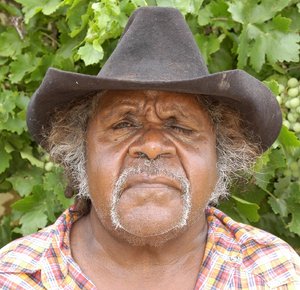
hilary wirri japaltjarri
1956 - , Australia
Quick Facts
- Artistic Movement Or Style: Hermannsburg School
- Artists Or Movements Influenced By This Artist: ['Hermannsburg School']
- Artists Who Influenced This Artist: ['Albert Namatjira']
- Date Of Birth: 1956
- Full Name: Hilary Wirri Japaltjarri
- Nationality: Australian
- Notable Artworks:
- Untitled Landscape
- Mt Wedge
- Twin Gums, Afternoon
- Twin Gums, Morning
- Place Of Birth: Ragged Point, Australia