 Preview
 Send
Send Share
Share
 Details

 Download
 Similars
 X-Ray
X-Ray Diaporama
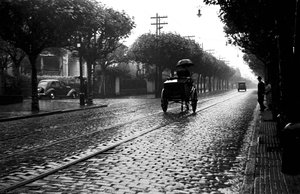
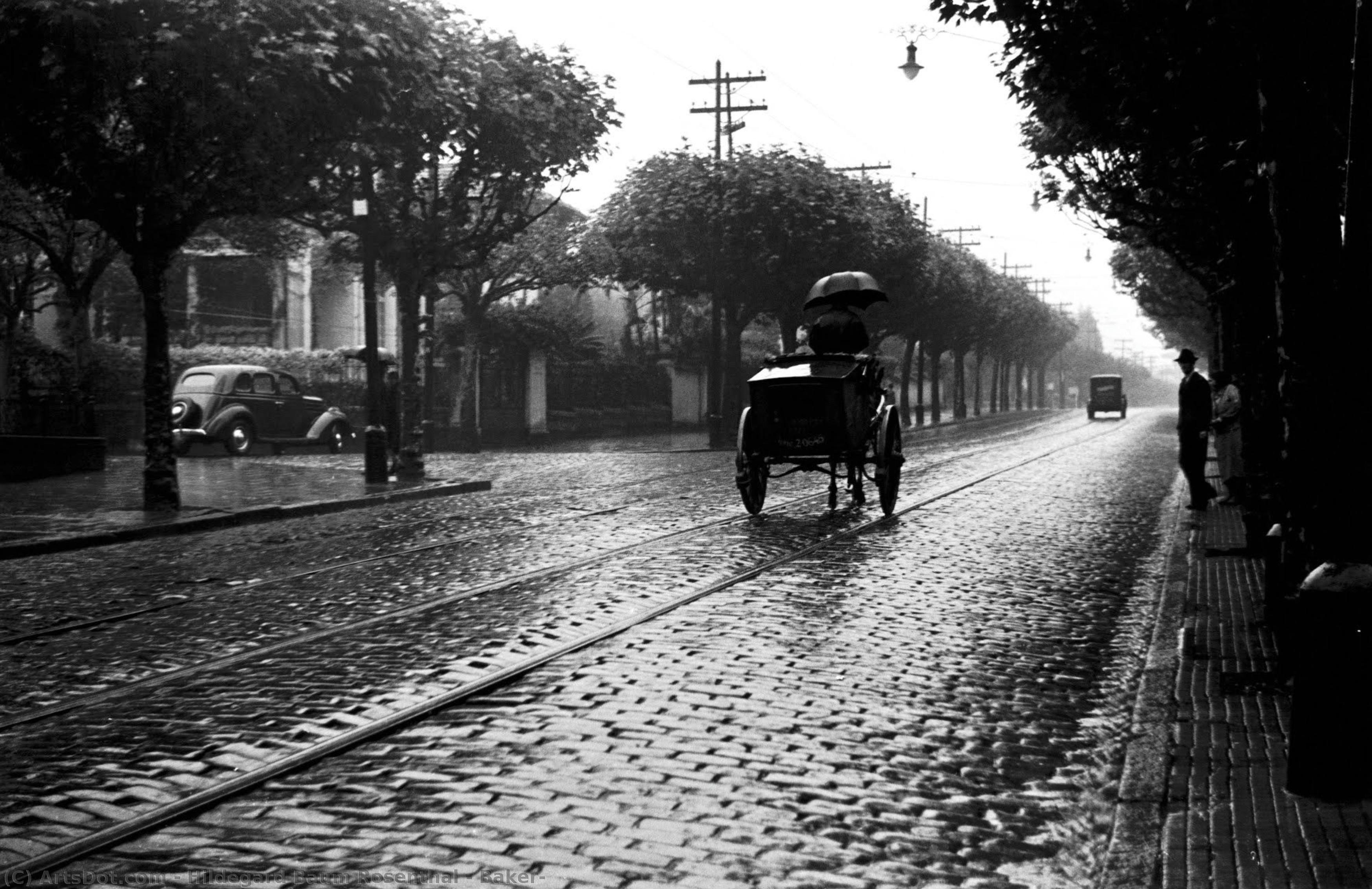
Baker
 45.0 x 30.0 cm
 Instituto Moreira Salles
 Read More
Giclée / Art Print
Museum-quality giclée or canvas print with fast production and flexible finish options. ( Buy Hand Made Painting Buy Image)




































Pick from our preset sizes that match the artwork's original proportions.

You may enter your own dimensions to fit a specific frame or space. If your selected size does not match the original image's proportions, we will either crop the artwork or extend the image with a mirrored or solid-fill edge. A digital mockup will be sent for your approval before production begins.
Please note that the on-screen preview does not reflect the actual cropping or extension. Only the mockup will accurately show the final composition.
While custom sizes are available, we recommend selecting a dimension from the predefined list to preserve the original proportions.
Worldwide Delivery () in 2 weeks instead of standard 4/5 weeks. (18 August)

Free Worldwide Express Shipping

High-Quality Linen Canvas

Full Shipping Insurance

Customs Tax Refund Guarantee

True Color Matching Guarantee

60-Day Return Policy (Defects Only)

100% Money-Back Guarantee

Bulk Discount Offer
 Glass option is only available in size under 110 CM

Baker
Giclée / Art Print
Reproduction Size
-


Total Price
$ 63
Collectible Description
Related Artworks
Artist Biography
A Lens Through the Fog of History
The story of Hildegard Baum Rosenthal is one of profound displacement and remarkable resilience, a narrative that begins in the quiet streets of Zurich but finds its true heartbeat in the bustling, transformative landscape of Brazil. Born on March 25, 1913, to German parents, her early years were shaped by the intellectual rigor of Frankfurt, where she studied pedagogy during the turbulent interwar period. However, it was the shadow of World War II that would ultimately redirect her destiny. As a refugee seeking sanctuary from Nazi persecution, Rosenthal arrived in Brazil, carrying with her not just the weight of a displaced life, but a burgeoning artistic vision trained under the legendary Paul Wolff. This European foundation, rooted in the precision of the German photographic tradition, would soon collide with the vibrant, chaotic energy of South American modernity.
Her arrival in Brazil was more than a mere migration; it was an infusion of new aesthetic possibilities into a nation on the cusp of massive industrial and urban change. Rosenthal did not merely observe this transformation from the sidelines; she became its primary visual chronicler. By securing a position within the local press, she broke through the rigid gender barriers of the era to become the first woman photojournalist in Brazil. Her work served as a bridge between the old world and the new, bringing a sophisticated, European-influenced eye to the rapidly evolving streets of São Paulo.
The Art of the Unseen Moment
Rosenthal’s technical mastery was deeply influenced by her training with Wolff, who championed the use of small, portable 35mm cameras. This technological shift was revolutionary for the medium, allowing Rosenthal to move through crowds with an unobtrusive grace. She abandoned the stiff, staged compositions of traditional portraiture in favor of a more spontaneous, candid approach. Her lens sought out the decisive moment—the fleeting expression of a street vendor, the rhythmic movement of pedestrians near trams, and the atmospheric melancholy of a rainy afternoon in the city. Through her work, the mundane became monumental.
Her photographic style was characterized by a profound commitment to realism and an exquisite use of natural light. She possessed a unique ability to capture the textures of urban life—the grit of construction, the sheen of wet pavement, and the human faces that defined the era's social fabric. This documentary approach did more than just record history; it contributed to a fundamental aesthetic renovation of Brazilian journalism. By prioritizing immediacy and authenticity, she helped shift the national photographic consciousness toward a modern, street-oriented sensibility that celebrated the pulse of everyday existence.
A Legacy Preserved in Silver and Shadow
The historical significance of Hildegard Rosenthal extends far beyond the individual images she captured. She was a pioneer who paved the way for subsequent generations of women photographers in Latin America, proving that the female gaze could be both authoritative and deeply empathetic. Her oeuvre serves as an indispensable visual archive of São Paulo’s metamorphosis from a growing urban center into a sprawling industrial powerhouse. Through her portraits of cultural icons and her unflinching documentation of the working class, she captured the soul of a nation in transition.
Though her work experienced periods of relative obscurity, its enduring value was eventually recognized by the global art community. The retrospective held at the Museum of Contemporary Art of the University of São Paulo in 1974 marked a pivotal moment in reclaiming her place in history. Today, much of her monumental contribution is preserved through the acquisition of over 3,000 negatives by the Instituto Moreira Salles, ensuring that her vision of Brazil—a vision defined by light, movement, and human dignity—remains accessible to future generations. Her life remains a testament to the power of the artist to find beauty and meaning even amidst the most profound global upheaval.
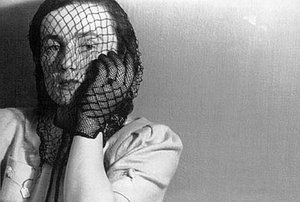
hildegard baum rosenthal
1913 - 1990 , Switzerland
Quick Facts
- Artistic Movement Or Style: Documentary photo
- Artists Or Movements Influenced By This Artist: ['Modern Brazilian art']
- Artists Who Influenced This Artist: ['Paul Wolff']
- Date Of Birth: March 25, 1913
- Full Name: Hildegard Baum Rosenthal
- Nationality: Swiss-Brazilian
- Notable Artworks:
- Baker
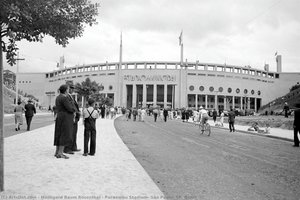
- Pacaembu Stadium, São Paulo
- Place Of Birth: Zurich, Switzerland