

 Preview
 Send
Send Share
Share
 Details

 Download
 Similars
 X-Ray
X-Ray Diaporama
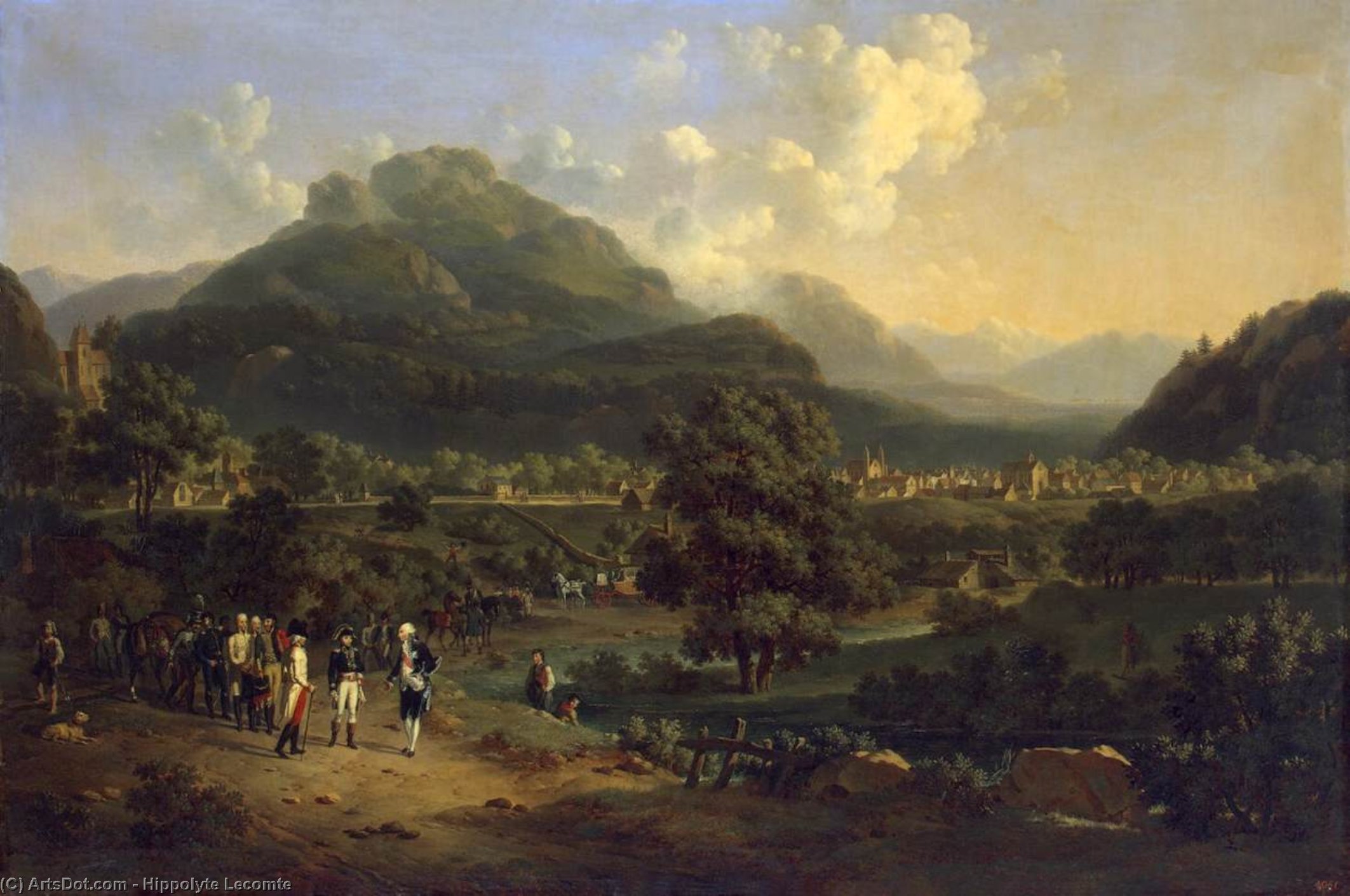
Meeting of Napoleon with the Ambassadors of the Austrian Emperor near Leoben, Steiermark on 7 April, 1797
 Oil On Canvas
- WallArt
- Neoclassical
 1808
1808- 19th Century
 97.0 x 146.0 cm
 Hermitage Museum
 Read More
Purchase a high-resolution, enhanced digital image, far superior to the online preview.
Each file is meticulously prepared by our in-house specialists using advanced tools and expert manual retouching. We ensure every image has exceptional clarity, precise color accuracy, and fine detail.
The final file is delivered via email within 72 hours, optimized for immediate use in professional, editorial, and print environments. This is the same quality trusted by top-tier design studios, publishers, and galleries.
Digital Image
Download a high-resolution file for personal display, printing, and creative projects. ( Buy Print Buy Hand Made Painting)
Included in Every Digital Image Order
Expert Digital Delivery, Guaranteed
When you choose ArtsDot.com, you're not just getting an image - you're receiving a professionally enhanced digital artwork, crafted with precision and backed by a satisfaction guarantee. Here's everything that comes with your order, automatically:

Fast Email Delivery
Your high-resolution digital image file will be emailed to you within 72 hours of ordering - ready for immediate use.

AI-Enhanced Digital File
Your artwork is professionally optimized using advanced AI tools and manual editing, ensuring maximum detail, clarity, and color accuracy.

Free Lifetime Re-Delivery
Accidentally deleted or lost your file? No worries - we'll resend it to you anytime, free of charge.

No Import Fees - Ever
Enjoy your artwork instantly with zero customs, duties, or delivery fees - digital downloads are always tax-free.

Color Accuracy Guarantee
We ensure your digital image reflects the original colors as closely as possible using professional tools and color management.

60-Day Satisfaction Guarantee
If you're not satisfied with your digital image, we'll revise it or refund 100% within 60 days - no questions asked.

100% Money-Back Guarantee
Not satisfied? Get a full refund within 60 days of receiving your digital file - no questions asked.

Bulk Order Discounts
Buy 3 images, save 10% - Buy 5, save 15% - Buy 10+, save 20%. Great for creative projects, galleries, and agencies.
A Moment Frozen in Time: Napoleon Meets the Ambassadors
To gaze upon this magnificent depiction of the Meeting of Napoleon with the Ambassadors of the Austrian Emperor near Leoben, Steiermark on April 7th, 1797, is to step directly into the grand theater of European history. Hippolyte Lecomte masterfully captures not merely a gathering of dignitaries, but the palpable tension and weight of epoch-making diplomacy. The scene unfolds outdoors, against a backdrop suggesting the imposing majesty of mountains—a natural amphitheater for such an intensely political encounter. One can almost hear the rustle of fine garments and the hushed gravity of crucial negotiations taking place between these titans of continental power.
The Grandeur of Neoclassical Narrative
Lecomte, working within the rich currents of Romanticism while retaining the formal structure of Neoclassicism, imbues this work with monumental significance. His technique allows the viewer to appreciate both the meticulous detail in the costuming and the sweeping scope of the landscape. The composition is a careful orchestration of figures: Napoleon, central to the narrative gravity, stands alongside his retinue, while the ambassadors from the Austrian court form an equally important counterpoint. It is a study in contrasts—the individual power radiating from each figure set against the vast, indifferent permanence of nature surrounding them. Even the inclusion of a dog near the center adds a touch of unexpected intimacy to what is otherwise a highly formal and political tableau.
Historical Resonance and Symbolic Weight
This painting serves as a powerful visual document of a pivotal moment in the Napoleonic era. It speaks volumes about the shifting alliances, the clash of empires, and the sheer drama inherent in international relations. The very act of meeting under such circumstances is laden with symbolism; every gesture, every exchanged glance, suggests treaties being forged or perhaps broken. For the collector or decorator, this piece offers more than mere decoration; it provides a conversation starter, an intellectual anchor for any grand hall or library, inviting contemplation on the nature of power and diplomacy.
Bringing History Home: Reproduction Considerations
Considering its original scale of 97 x 146 cm, this artwork commands attention. For those seeking to replicate its breathtaking presence in a modern interior, acquiring a high-quality hand-painted reproduction allows one to harness the full emotional and historical impact without the prohibitive cost or logistical challenges of an original masterwork. The fidelity required for such a piece—capturing Lecomte’s nuanced brushwork and the rich tonal variations between the figures and the mountainous setting—makes reproductions by expert artisans truly valuable investments in art history.
Related Artworks

Artist Biography
Hippolyte Lecomte: A Visionary Painter of Historical Grandeur
Hippolyte Lecomte (1781 – 1857) stands as a significant figure in French Romantic and Neoclassical art, primarily recognized for his monumental historical paintings and captivating ballet designs. Born in Puisieux, France, Lecomte’s artistic journey was inextricably linked to the influential Vernet family—particularly his wife, Camille Vernet, sister of Émile Jean Horace Vernet, a celebrated landscape painter—and collaborated closely with Jean Ignace Isidore Gérard, “J.J. Grandville,” whose studio served as a crucible for artistic innovation. His legacy extends beyond individual canvases; Lecomte nurtured a family tradition of artistic excellence, with his son, Charles Emile Hippolyte Lecomte-Vernet, establishing himself as a respected painter in his own right.Early Life and Artistic Training
Lecomte’s formative years were steeped in the intellectual fervor of the Enlightenment, fostering an appreciation for classical ideals alongside burgeoning Romantic sensibilities. While biographical details remain somewhat sparse, evidence suggests he received instruction from Jean-Baptiste Camille Bouchardy, a prominent Parisian artist known for his portraits and genre scenes—a connection that undoubtedly shaped Lecomte’s artistic style. This exposure to established artistic conventions provided him with a foundation upon which to explore more ambitious themes and techniques.Historical Painting: Capturing Epic Narratives
Lecomte's fame rests principally on his monumental historical paintings, commissioned by royal patrons and commemorating pivotal moments in French history. His canvases pulsate with dynamism and meticulous detail, reflecting the Romantic preoccupation with dramatic emotion and grandeur. Notable works include “The Kidnap,” a stirring depiction of a daring rescue attempt during Napoleonic Wars, showcasing masterful composition and vibrant color palettes. Similarly, "Officer Au Régiment De Béarn" exemplifies Lecomte’s skill in portraying military life with realism and psychological insight—a testament to his ability to convey both visual splendor and nuanced character development. Furthermore, “Paysanne Des Environs De Bayonne” offers a poignant glimpse into rural French society during the Napoleonic era, demonstrating Lecomte's dedication to capturing authentic cultural representations.Collaboration with Vernet and Grandville: Shaping Artistic Discourse
Lecomte’s artistic partnership with Émile Jean Horace Vernet—his wife’s brother—was instrumental in elevating French landscape painting to new heights. Together, they embarked on ambitious expeditions documenting the natural beauty of Europe, producing stunning watercolors and engravings that captivated audiences worldwide. This collaboration extended beyond mere technical proficiency; it fostered a shared aesthetic vision rooted in Romantic idealism and an unwavering commitment to artistic excellence. Moreover, Lecomte’s association with Jean Ignace Isidore Gérard (“J.J. Grandville”) enriched his studio environment, fostering intellectual exchange and propelling the development of satirical illustration—a genre that challenged societal norms and engaged viewers in critical reflection.Legacy and Historical Significance
Hippolyte Lecomte’s contribution to French art transcends stylistic trends; he embodies the spirit of a transformative era characterized by intellectual curiosity, artistic experimentation, and patriotic fervor. His paintings serve as invaluable records of historical events, offering insights into the social, political, and cultural landscape of his time. More importantly, Lecomte's influence reverberates through subsequent generations of artists—particularly Charles Emile Hippolyte Lecomte-Vernet—solidifying his place as a cornerstone of French artistic heritage. His enduring legacy continues to inspire admiration for his masterful technique and unwavering dedication to conveying the grandeur and drama of history.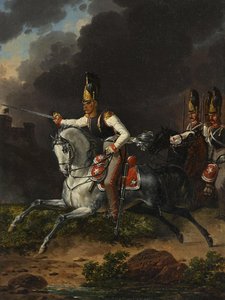
hippolyte lecomte
1781 - 1857 , France
Quick Facts
- Artistic Movement Or Style: Neoclassical
- Artists Or Movements Influenced By This Artist: ['Classical French Art']
- Artists Who Influenced This Artist: ['Émile Jean Horace Vernet']
- Date Of Birth: 1781
- Full Name: Hippolyte Lecomte
- Nationality: French
- Notable Artworks:
- The Kidnap
- Officier Au Régiment De Béarn
- Paysanne Des Environs De Bayonne
- Place Of Birth: Puisieux, France

