 Preview
 Send
Send Share
Share
 Details

 Download
 Similars
 X-Ray
X-Ray Diaporama
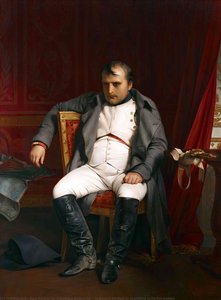
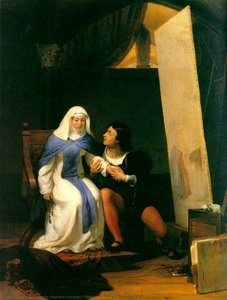
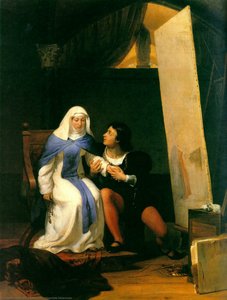
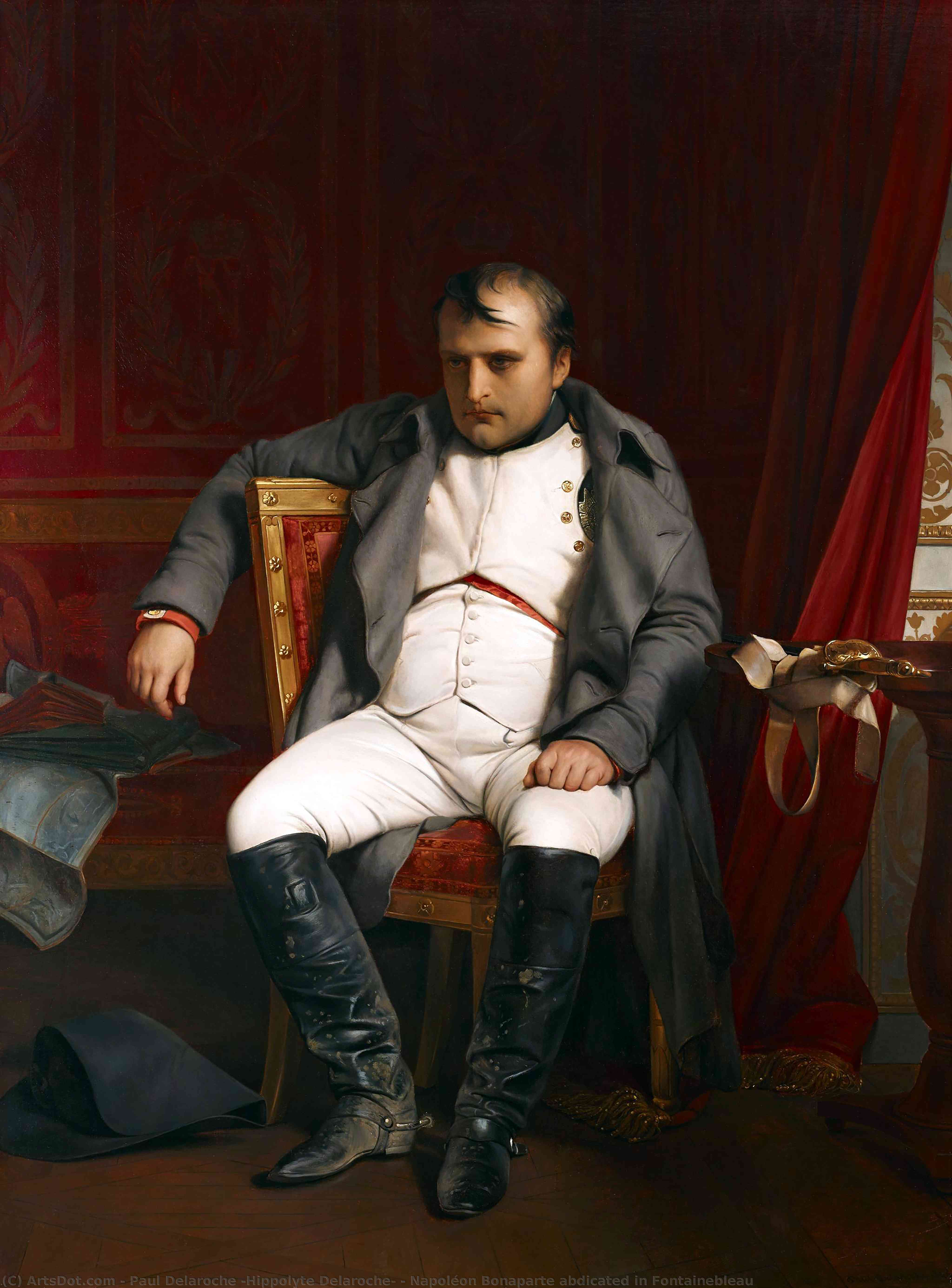
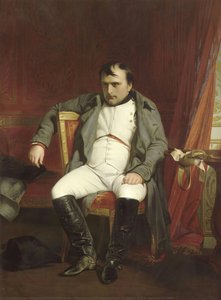
Napoléon Bonaparte abdicated in Fontainebleau

 Read More
Hand Made Oil Reproduction
Hand-painted oil on canvas in your size and frame, made to order by our artists. ( Buy Print Buy Image)




































Pick from our preset sizes that match the artwork's original proportions.

You may enter your own dimensions to fit a specific frame or space. If your selected size does not match the original image's proportions, we will either crop the artwork or extend the painting with additional hand-painted elements. A digital mockup will be sent for your approval before production begins.
Please note that the on-screen preview does not reflect the actual cropping or extension. Only the mockup will accurately show the final composition.
While custom sizes are available, we recommend selecting a dimension from the predefined list to preserve the original proportions.
After order, ArtsDot.com team will email client for instructions and provide a mockup preview
Worldwide Delivery () in 3/4 weeks instead of standard 5 weeks. (16 August). No compromise on quality.

Free Worldwide Express Shipping

High-Quality Linen Canvas

Full Shipping Insurance

Customs Tax Refund Guarantee

True Color Matching Guarantee

60-Day Return Policy (Defects Only)

100% Money-Back Guarantee

Bulk Discount Offer
 Glass option is only available in size under 110 CM

Napoléon Bonaparte abdicated in Fontainebleau
Reproduction Medium
Reproduction Size
-


Total Price
$ 263
Artwork Description
Historical Context
Napoleon Bonaparte's abdication took place on April 6, 1814, at Fontainebleau Palace, marking the end of his reign. This event was a pivotal moment in French history, symbolizing the fall of an empire and the beginning of a new era.Artistic Style
Delaroche's style is characterized by its dramatic flair and attention to detail, which are evident in this painting. The use of oil on canvas allows for rich colors and textures, adding depth to the scene. The somber atmosphere and reflective mood of Napoleon Bonaparte are skillfully conveyed through his posture and facial expression.Composition
The composition of the painting is simple yet effective. Napoleon sits in a chair, lost in thought, with a book nearby, suggesting that he was reading before becoming engrossed in his current situation. The presence of another chair in the background adds to the sense of isolation and contemplation.Artistic Movements
Delaroche's work is often associated with Academicism, a style that emphasizes realism and attention to detail. However, his paintings also show elements of Romanticism, particularly in their emotional appeal. This blend of styles makes his works unique and captivating.Relevance Today
Napoléon Bonaparte abdicated in Fontainebleau remains a significant piece of art today, offering insights into the life of one of history's most influential figures. It is a reminder of the transience of power and the human side of historical events.Conclusion
Paul Delaroche's Napoléon Bonaparte abdicated in Fontainebleau is a masterpiece that combines historical accuracy with artistic flair. The painting is a testament to Delaroche's skill and his ability to capture the essence of significant moments in history. ArtsDot.com offers high-quality, handmade oil painting reproductions of this and other famous works. Visit our website to explore a wide selection of art pieces that can enhance your home or office.By understanding the historical context and artistic style behind Napoléon Bonaparte abdicated in Fontainebleau, we can appreciate the significance of this painting as both a work of art and a piece of history.
Related Artworks
Artist Biography
The Master of Historical Drama: The Life and Legacy of Paul Delaroche
In the vibrant, turbulent landscape of nineteenth-century French art, few figures commanded the stage with as much dramatic presence as Hippolyte Paul Delaroche. Born in Paris in 1797 into a family where art was woven into the very fabric of daily life, Delaroche was destined for greatness. With a father serving as an art expert and an uncle curating the prestigious Cabinet des Estampes, his childhood was an immersive education in visual splendor. This early exposure to the masters provided him with more than just aesthetic appreciation; it instilled a profound respect for the weight of history and the power of a single, well-placed brushstroke. Under the mentorship of Antoine-Jean Gros, Delaroche began to master the art of the grand narrative, learning how to infuse monumental subjects with a sense of breathless immediacy that would become his hallmark.
Delaroche’s artistry occupied a fascinating, liminal space between the sweeping emotionalism of Romanticism and the disciplined precision of Academicism. While many of his contemporaries were lost in pure abstraction or rigid neoclassicism, Delaroche sought a middle path—a pragmatic realism that aimed to strip away the idealized veneer of history to reveal its raw, human core. He did not merely paint kings and queens; he painted their vulnerability, their terror, and their quietest moments of despair. This approach allowed him to bridge the gap between the grandiosity of the past and the burgeoning realism of his own era, making historical events feel startlingly present to a mid-century audience.
A Tapestry of Emotion and Precision
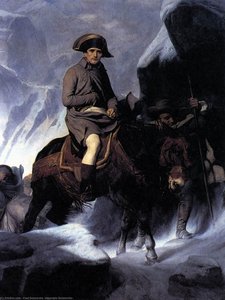
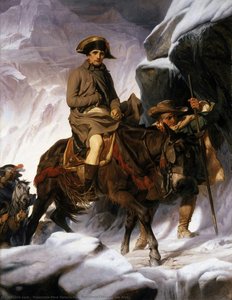
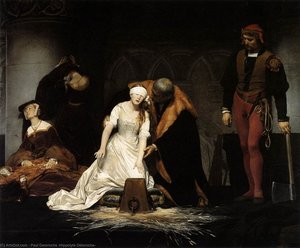
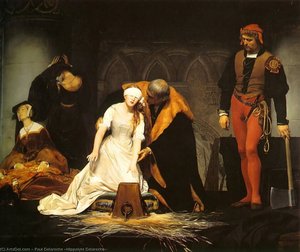
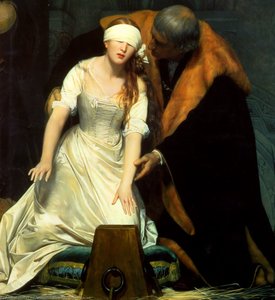
The true genius of Delaroche lay in his ability to transform a canvas into a theatrical stage. His works often functioned as visual chronicles, meticulously researched and rendered with a breathtaking attention to detail that captivated the public imagination. In masterpieces such as The Execution of Lady Jane Grey, one can feel the heavy, suffocating atmosphere of tragedy. The painting is not merely a depiction of an event; it is an exploration of innocence lost, achieved through a masterful use of light and shadow that guides the viewer's eye toward the poignant, silent grief of the protagonists. Similarly, his depictions of Napoleon—whether in the solemnity of Napoléon at Fontainebleau or the heroic scale of Napoleon Crossing the Alps—demonstrate his ability to balance the legendary status of the figure with a deeply humanizing touch.
Beyond his solo triumphs, Delaroche’s influence rippled through the Parisian art scene as a respected educator and mentor. His studio became a crucible for the next generation of French masters, fostering talents such as:
- Thomas Couture, who would further refine the boundaries of historical painting;
- Jean-Léon Gérôme, a titan of Academic realism;
- Jean-François Millet, whose later work would pivot toward the profound dignity of peasant life.
Through these connections, Delaroche’s stylistic DNA—characterized by meticulous glazing techniques and an emotive narrative structure—became embedded in the very foundation of French painting.
The Enduring Resonance of a Vanished Past
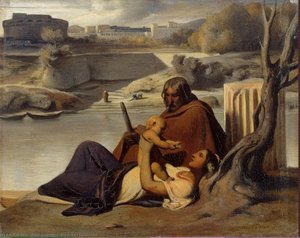
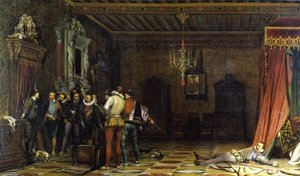
As the nineteenth century progressed, the art world underwent rapid transformations, yet the works of Delaroche remained a steadfast anchor for those seeking the spectacle of history. He possessed a unique ability to evoke a sense of nostalgia for a vanished era, treating subjects from English and French history with an equal measure of reverence and realism. Whether he was capturing the tender familial devotion in Resting on the Banks of the Tiber or the violent political upheaval in The Murder of the Duke of Guise, his work always sought to find the universal human truth beneath the historical costume.
Though the era of grand history painting eventually gave way to the fleeting impressions of the Impressionists, Delaroche’s legacy remains unshakeable. He stands as a pivotal bridge in art history, a painter who could command the grandeur of the old world while embracing the psychological depth required by the new. His canvases continue to invite us into the past, not as distant, dusty relics, but as living, breathing moments of profound human experience, forever preserved in the exquisite detail of his brush.
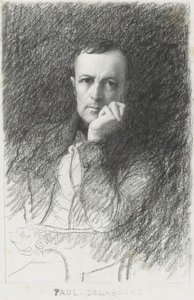
hippolyte-paul delaroche
1797 - 1856 , France
Quick Facts
- Artistic Movement Or Style: Romanticism & Neoclassicism
- Artists Or Movements Influenced By This Artist: ['Thomas Couture']
- Artists Who Influenced This Artist: ['Antoine Jean Gros']
- Date Of Birth: July 17, 1797
- Date Of Death: November 4, 1856
- Full Name: Hippolyte Paul Delaroche
- Nationality: French
- Notable Artworks:
- The Execution of Lady Jane Grey
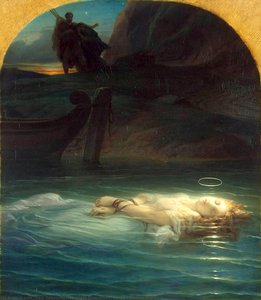
- Young Christian Martyr
- A Child Learning to Read
- Place Of Birth: Paris, France