

 Preview
 Send
Send Share
Share
 Details

 Download
 Similars
 X-Ray
X-Ray Diaporama
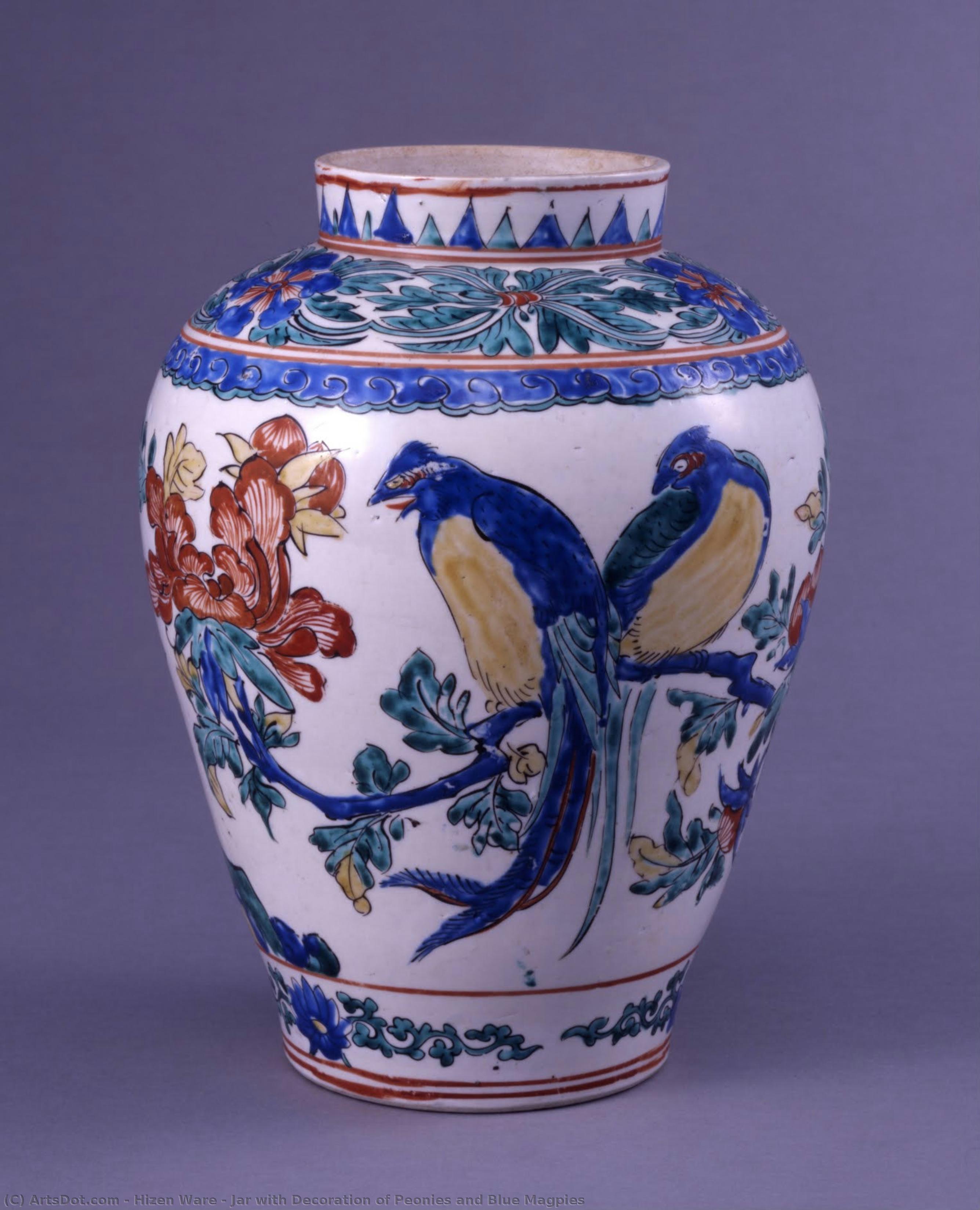
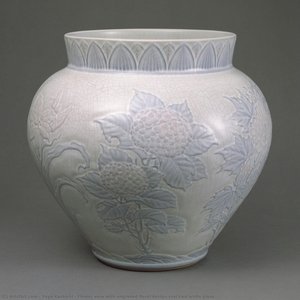
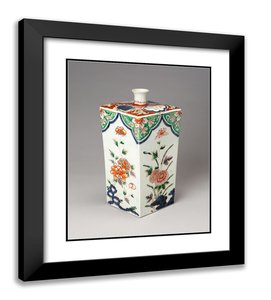
Jar with Decoration of Peonies and Blue Magpies


 Read More
Purchase a high-resolution, enhanced digital image, far superior to the online preview.
Each file is meticulously prepared by our in-house specialists using advanced tools and expert manual retouching. We ensure every image has exceptional clarity, precise color accuracy, and fine detail.
The final file is delivered via email within 72 hours, optimized for immediate use in professional, editorial, and print environments. This is the same quality trusted by top-tier design studios, publishers, and galleries.
Digital Image
Download a high-resolution file for personal display, printing, and creative projects. ( Buy Print Buy Hand Made Painting)
Included in Every Digital Image Order
Expert Digital Delivery, Guaranteed
When you choose ArtsDot.com, you're not just getting an image - you're receiving a professionally enhanced digital artwork, crafted with precision and backed by a satisfaction guarantee. Here's everything that comes with your order, automatically:

Fast Email Delivery
Your high-resolution digital image file will be emailed to you within 72 hours of ordering - ready for immediate use.

AI-Enhanced Digital File
Your artwork is professionally optimized using advanced AI tools and manual editing, ensuring maximum detail, clarity, and color accuracy.

Free Lifetime Re-Delivery
Accidentally deleted or lost your file? No worries - we'll resend it to you anytime, free of charge.

No Import Fees - Ever
Enjoy your artwork instantly with zero customs, duties, or delivery fees - digital downloads are always tax-free.

Color Accuracy Guarantee
We ensure your digital image reflects the original colors as closely as possible using professional tools and color management.

60-Day Satisfaction Guarantee
If you're not satisfied with your digital image, we'll revise it or refund 100% within 60 days - no questions asked.

100% Money-Back Guarantee
Not satisfied? Get a full refund within 60 days of receiving your digital file - no questions asked.

Bulk Order Discounts
Buy 3 images, save 10% - Buy 5, save 15% - Buy 10+, save 20%. Great for creative projects, galleries, and agencies.
Collectible Description
Related Artworks
Artist Biography
The Enduring Legacy of Hizen Ware: A Tradition Forged in Clay
Born from the rich volcanic soil of Arita, Japan, in 1616, Hizen ware—also known as Arita ware—represents more than just a style of porcelain; it embodies a pivotal moment in Japanese artistic history. The story begins not with a single artist, but with a confluence of factors: the discovery of suitable kaolin clay, the arrival of skilled Korean potters following the Imjin War (1592-1598), and an insatiable demand for exquisite ceramics both domestically and abroad. While individual artisans contributed significantly to its evolution, Hizen ware is best understood as a collective achievement—a testament to generations of dedication, innovation, and collaborative spirit.
From Humble Beginnings to Global Phenomenon
The early decades of the 17th century witnessed a flurry of experimentation in Arita. The Korean potters, most notably Yi Sam-pyeong (Kanagae Sanbee), brought with them invaluable knowledge of porcelain production techniques honed over centuries. They adapted these skills to local materials and began producing wares that quickly gained recognition for their quality and refinement. Initially, the focus was on replicating Chinese porcelain styles—particularly blue-and-white designs favored by the burgeoning merchant class. However, Arita potters weren’t mere imitators. They subtly altered shapes, refined glazes, and introduced new decorative motifs, laying the foundation for a distinctly Japanese aesthetic.
The establishment of kilns in the eastern part of Arita, consolidated under the Saga clan's Sarayama Magistrate office in 1637, proved crucial to the ware’s development. This centralized system allowed for greater control over materials and labor, fostering consistency and innovation. By the mid-17th century, Hizen ware had become a major export commodity, traveling from the port of Imari—hence the often-used synonym “Imari ware”—to Europe via Dutch East India Company trade routes. The demand was staggering, transforming Arita into a thriving center of ceramic production and profoundly influencing European porcelain manufacturing.
A Kaleidoscope of Styles: Kakiemon, Nabeshima, and Beyond
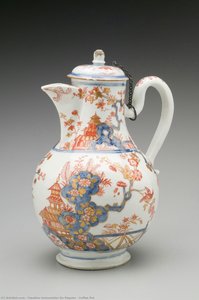
The success of Hizen ware wasn’t built on a single aesthetic. Instead, it flourished through diversification. The Kakiemon family kilns emerged as pioneers of *iro-nage*, a technique involving delicate overglaze enamels in vibrant reds, greens, and blues. Kakiemon wares are characterized by their refined brushwork, elegant floral designs, and subtle use of negative space—a style that captivated European collectors and inspired countless imitations. Simultaneously, the Nabeshima ware, produced exclusively for the Nabeshima clan, represented a different facet of Arita’s artistry. These pieces were known for their bold compositions, intricate patterns, and luxurious gold detailing, embodying the power and prestige of the ruling class.
Beyond Kakiemon and Nabeshima, numerous other styles emerged—from the colorful Kutani-type wares to the more restrained Shiro ware. This diversity reflects not only the creativity of individual potters but also the evolving tastes of both domestic and international markets. The ability to adapt and innovate while maintaining a commitment to quality was central to Hizen ware’s enduring appeal.
Techniques and Symbolism: A Harmonious Blend
The production of Hizen ware involved a complex process requiring the expertise of numerous artisans. From digging and preparing the clay to shaping, glazing, firing, and decorating, each stage demanded meticulous attention to detail. The use of underglaze blue, derived from cobalt imported from Persia, was initially dominant, but over time, potters mastered a wide range of overglaze enamels, creating vibrant palettes and intricate designs.
Symbolism played an important role in Hizen ware decoration. Floral motifs—peonies representing wealth and prosperity, chrysanthemums symbolizing longevity, and bamboo signifying resilience—were common themes. The inclusion of auspicious animals, such as cranes and phoenixes, further enhanced the pieces’ symbolic meaning. These decorative elements weren't merely aesthetic choices; they were carefully selected to convey specific messages and aspirations.
A Continuing Tradition: Hizen Ware in the Modern Era
Despite facing challenges—including economic fluctuations and changing consumer preferences—Hizen ware has endured as a vital part of Japan’s artistic heritage. Today, numerous kilns continue to operate in Arita, preserving traditional techniques while also embracing contemporary designs. The legacy of Hizen ware extends far beyond the realm of ceramics. It represents a remarkable story of cultural exchange, artistic innovation, and the enduring power of craftsmanship. From its humble beginnings as an imitation of Chinese porcelain to its status as a globally recognized art form, Hizen ware continues to inspire awe and admiration—a testament to the skill and dedication of generations of Japanese artisans.
hizen ware
1616 - , Japan
Quick Facts
- Artistic Movement Or Style: Japanese porcelain
- Date Of Birth: 1616
- Full Name: Hizen ware
- Nationality: Japanese
- Notable Artworks: ['Jar with Decoration of Peonies and Blue Magpies']
- Place Of Birth: Arita, Japan

