

 Preview
 Send
Send Share
Share
 Details

 Download
 Similars
 X-Ray
X-Ray Diaporama
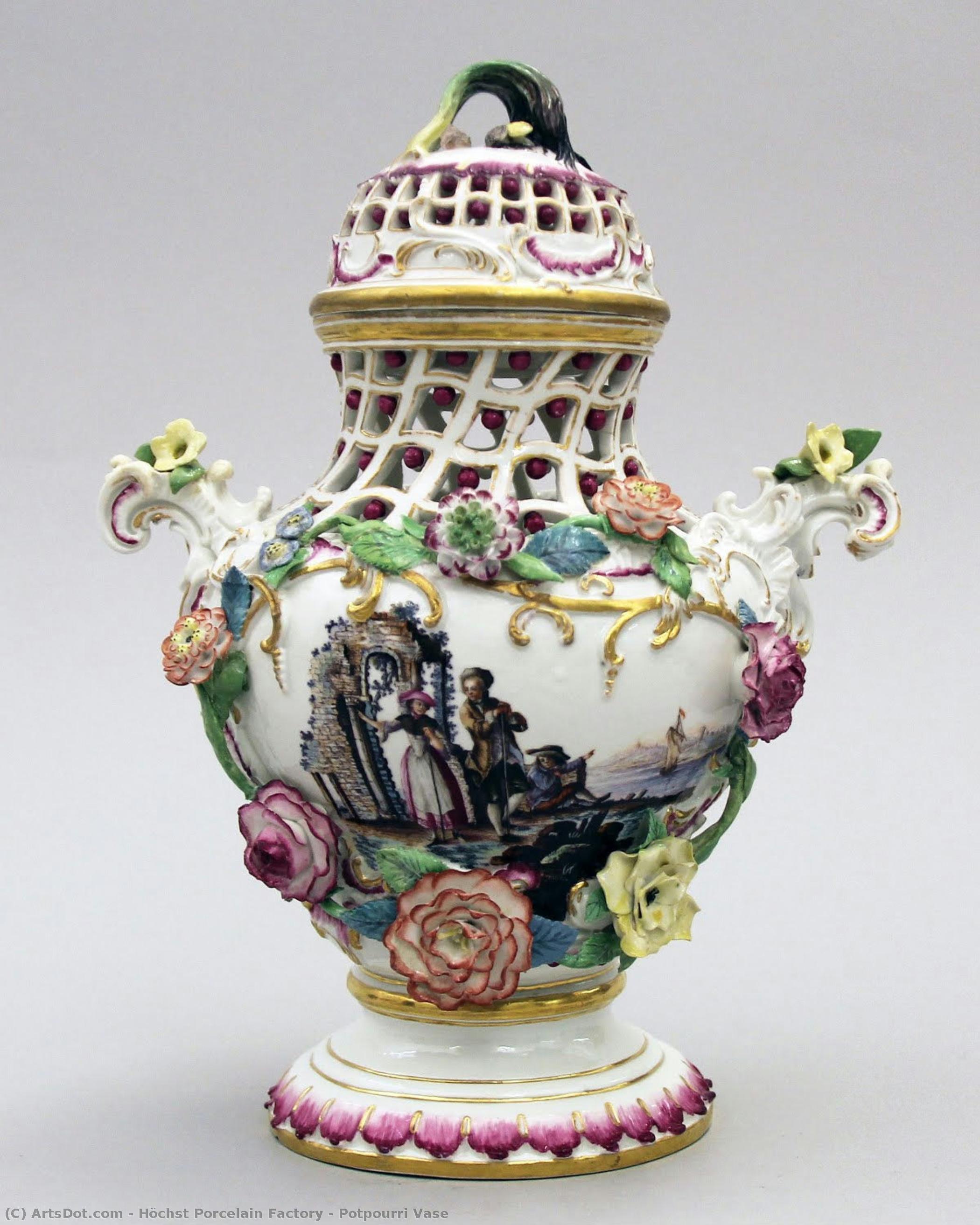
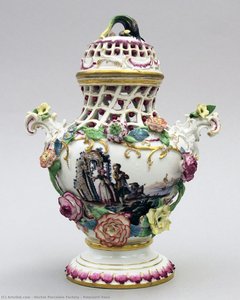
Potpourri Vase
 1755
1755 26.0 x 20.0 cm
 Gardiner Museum of Ceramic Art
 Read More
Purchase a high-resolution, enhanced digital image, far superior to the online preview.
Each file is meticulously prepared by our in-house specialists using advanced tools and expert manual retouching. We ensure every image has exceptional clarity, precise color accuracy, and fine detail.
The final file is delivered via email within 72 hours, optimized for immediate use in professional, editorial, and print environments. This is the same quality trusted by top-tier design studios, publishers, and galleries.
Digital Image
Download a high-resolution file for personal display, printing, and creative projects. ( Buy Print Buy Hand Made Painting)
Included in Every Digital Image Order
Expert Digital Delivery, Guaranteed
When you choose ArtsDot.com, you're not just getting an image - you're receiving a professionally enhanced digital artwork, crafted with precision and backed by a satisfaction guarantee. Here's everything that comes with your order, automatically:

Fast Email Delivery
Your high-resolution digital image file will be emailed to you within 72 hours of ordering - ready for immediate use.

AI-Enhanced Digital File
Your artwork is professionally optimized using advanced AI tools and manual editing, ensuring maximum detail, clarity, and color accuracy.

Free Lifetime Re-Delivery
Accidentally deleted or lost your file? No worries - we'll resend it to you anytime, free of charge.

No Import Fees - Ever
Enjoy your artwork instantly with zero customs, duties, or delivery fees - digital downloads are always tax-free.

Color Accuracy Guarantee
We ensure your digital image reflects the original colors as closely as possible using professional tools and color management.

60-Day Satisfaction Guarantee
If you're not satisfied with your digital image, we'll revise it or refund 100% within 60 days - no questions asked.

100% Money-Back Guarantee
Not satisfied? Get a full refund within 60 days of receiving your digital file - no questions asked.

Bulk Order Discounts
Buy 3 images, save 10% - Buy 5, save 15% - Buy 10+, save 20%. Great for creative projects, galleries, and agencies.
Related Artworks





Artist Biography
The Legacy of Elegance: Höchst Porcelain Factory
The story of the Höchst Porcelain Factory is one deeply intertwined with the ambition of 18th-century German princes and a fervent desire to rival the artistic achievements of France. Founded in 1746 by Prince Philipp Heinrich von Hohenlohe-Bartenstein, near Frankfurt am Main, the factory wasn't merely intended as a producer of luxury goods; it was conceived as a statement – a demonstration of cultural prowess and economic independence. The prince recognized the burgeoning European market for porcelain, dominated at the time by Meissen and Sèvres, and sought to establish Höchst as an equal competitor. He initially employed skilled artisans poached from these very rivals, laying the foundation for a distinctive style that would soon become synonymous with refined taste. The early years were marked by experimentation, as the factory’s chemists worked tirelessly to perfect the hard-paste porcelain formula, crucial for achieving the translucence and delicate strength prized by collectors.Early Innovations and Rococo Flourishes
Höchst quickly distinguished itself through its mastery of rococo ornamentation. The factory's early productions were heavily influenced by French designs – elaborate floral motifs, playful cherubs, and asymmetrical compositions characterized the pieces emerging from the kilns. However, Höchst artisans weren’t simply imitators; they infused these borrowed elements with a uniquely German sensibility. Johann Peter Melchior Fischer, appointed as the factory's director in 1748, played a pivotal role in shaping this aesthetic. He encouraged the development of innovative painting techniques and introduced new sculptural forms. The factory became renowned for its *tabatières* (snuff boxes), exquisitely painted with scenes from mythology, pastoral life, and courtly pursuits. These small masterpieces showcased not only technical skill but also a keen understanding of contemporary fashion and social customs. The use of vibrant colors – particularly the distinctive Höchst pink – further set their work apart. The factory’s success wasn't limited to smaller objects; they also produced impressive dinner services, vases, and figurines, all reflecting the opulence and grace of the rococo period.A Shift Towards Neoclassicism
As tastes evolved in the latter half of the 18th century, Höchst Porcelain Factory adeptly transitioned from the exuberance of rococo to the more restrained elegance of neoclassicism. This shift was largely driven by Johann Heinrich Knips, who took over as director after Fischer’s death in 1767. Knips, a talented sculptor himself, championed a style inspired by ancient Greek and Roman art. Figurines became increasingly idealized, with an emphasis on classical drapery, balanced compositions, and allegorical themes. The factory also began to incorporate elements of *chinoiserie*, reflecting the growing European fascination with Chinese art and culture. This period saw the production of iconic pieces such as the “Diana” figurines and elaborate vases adorned with scenes from Homer’s *Iliad* and *Odyssey*. The quality of the painting remained exceptionally high, but the overall aesthetic became more refined and intellectual, appealing to a new generation of discerning collectors.Decline and Legacy
Despite its artistic achievements, Höchst Porcelain Factory faced increasing financial difficulties in the late 18th and early 19th centuries. The Napoleonic Wars disrupted trade routes and led to economic instability. In 1855, the factory was acquired by Philipp Rosenthal & Co., marking the end of an independent era. While production continued under new ownership, the distinctive style and artistic spirit of the original Höchst Porcelain Factory gradually faded. However, the legacy of Höchst remains profoundly influential. Its pieces are highly sought after by museums and collectors worldwide, representing a pinnacle of 18th-century porcelain artistry. The factory’s contributions to painting techniques, sculptural forms, and decorative motifs continue to inspire artists today. The enduring beauty and exquisite craftsmanship of Höchst porcelain serve as a testament to the vision of its founders and the skill of its artisans – a lasting symbol of German elegance and artistic innovation.Key Characteristics & Collections
- Hard-Paste Porcelain: Known for its exceptional quality, translucence, and durability.
- Rococo Ornamentation (Early Period): Elaborate floral designs, cherubs, asymmetrical compositions, and vibrant colors like Höchst pink.
- Neoclassical Style (Later Period): Idealized figurines inspired by ancient Greek and Roman art, classical drapery, allegorical themes, and elements of chinoiserie.
- Tabatières: Exquisitely painted snuff boxes depicting scenes from mythology, pastoral life, and courtly pursuits.
- Figurines: Highly collectible sculptures representing mythological figures, allegorical subjects, and members of the aristocracy.
- Major Collections: The Metropolitan Museum of Art (New York), the Victoria and Albert Museum (London), the Louvre (Paris), and numerous private collections worldwide hold significant examples of Höchst porcelain.
Quick Facts
- Artistic Movement Or Style: Porcelain Manufacturing
- Date Of Death: Living
- Full Name: Höchst Porcelain Factory

