

 Preview
 Send
Send Share
Share
 Details

 Download
 Similars
 X-Ray
X-Ray Diaporama
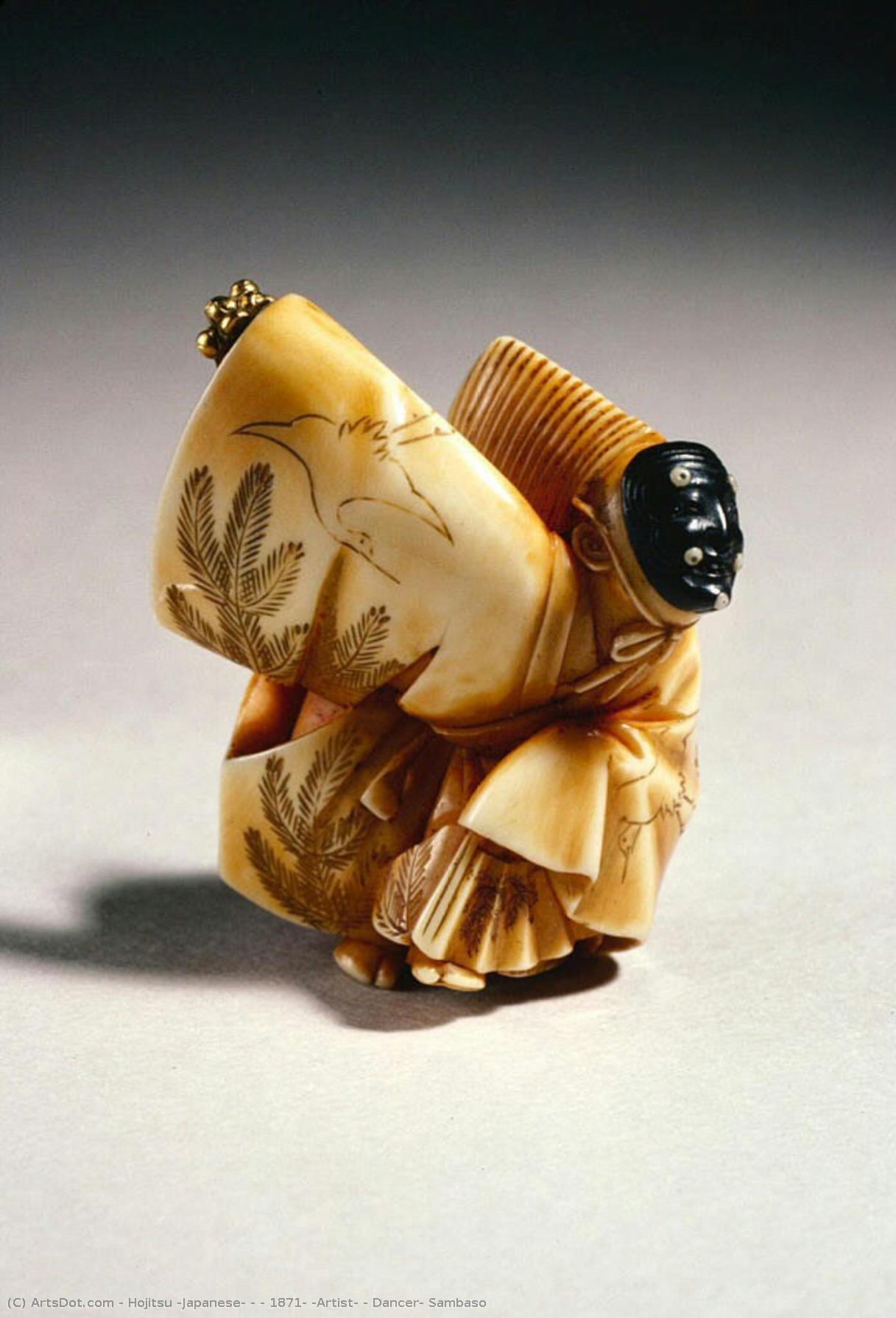
Dancer, Sambaso

 Read More
Purchase a high-resolution, enhanced digital image, far superior to the online preview.
Each file is meticulously prepared by our in-house specialists using advanced tools and expert manual retouching. We ensure every image has exceptional clarity, precise color accuracy, and fine detail.
The final file is delivered via email within 72 hours, optimized for immediate use in professional, editorial, and print environments. This is the same quality trusted by top-tier design studios, publishers, and galleries.
Digital Image
Download a high-resolution file for personal display, printing, and creative projects. ( Buy Print Buy Hand Made Painting)
Included in Every Digital Image Order
Expert Digital Delivery, Guaranteed
When you choose ArtsDot.com, you're not just getting an image - you're receiving a professionally enhanced digital artwork, crafted with precision and backed by a satisfaction guarantee. Here's everything that comes with your order, automatically:

Fast Email Delivery
Your high-resolution digital image file will be emailed to you within 72 hours of ordering - ready for immediate use.

AI-Enhanced Digital File
Your artwork is professionally optimized using advanced AI tools and manual editing, ensuring maximum detail, clarity, and color accuracy.

Free Lifetime Re-Delivery
Accidentally deleted or lost your file? No worries - we'll resend it to you anytime, free of charge.

No Import Fees - Ever
Enjoy your artwork instantly with zero customs, duties, or delivery fees - digital downloads are always tax-free.

Color Accuracy Guarantee
We ensure your digital image reflects the original colors as closely as possible using professional tools and color management.

60-Day Satisfaction Guarantee
If you're not satisfied with your digital image, we'll revise it or refund 100% within 60 days - no questions asked.

100% Money-Back Guarantee
Not satisfied? Get a full refund within 60 days of receiving your digital file - no questions asked.

Bulk Order Discounts
Buy 3 images, save 10% - Buy 5, save 15% - Buy 10+, save 20%. Great for creative projects, galleries, and agencies.
Related Artworks









Artist Biography
Sakai Hōitsu: A Master of Ivory and the Meiji Echo
The world of Japanese art in the late 19th century was a crucible of change, forged by rapid modernization and the reverberations of Western influence. Within this dynamic landscape emerged Sakai Hōitsu (1761-1829), a master whose exquisite ivory sculptures and paintings offer a poignant glimpse into a pivotal era – the final years of the Edo period and the nascent dawn of the Meiji Restoration. More than simply an artist, Hōitsu was a preserver, a restorer, and ultimately, a bridge between traditional Japanese aesthetics and the emerging currents of the modern world.
Born into a privileged samurai family in Edo (modern-day Tokyo), Hōitsu’s lineage traced back to Sakai Hirochika, a loyal vassal of the Tokugawa shogunate. This connection imbued his work with an underlying sense of honor and tradition, yet he was also deeply influenced by the artistic innovations of the *Rinpa* school, which emphasized naturalism, atmospheric perspective, and a rejection of rigid formality. The *Rinpa* movement, spearheaded by Ogata Kōrin in the 17th century, provided Hōitsu with a foundational vocabulary – a love for capturing fleeting moments of beauty, particularly those found in nature, and a willingness to experiment with unconventional techniques.
Hōitsu’s early career was marked by service to the Sakai clan, who held considerable influence within the Tokugawa court. He initially worked as a painter for his family, creating portraits and decorative panels that showcased both his technical skill and his understanding of *Rinpa* principles. However, it was his rediscovery and meticulous recreation of Ogata Kōrin’s lost works – particularly “Flowering Plants of Summer and Autumn” – that cemented his reputation as a master restorer and a champion of a forgotten artistic legacy. These reproductions weren't mere copies; Hōitsu imbued them with his own sensibility, subtly enhancing the compositions and refining the details to achieve an unparalleled level of beauty.
The Dance of Sambaso: A Portrait of Elegance
Among Hōitsu’s most celebrated works is “Dancer, Sambaso” (c. 1900), a breathtaking ivory sculpture that exemplifies his mastery of form and expression. The subject, Sambaso, was a renowned courtesan who captivated the artistic circles of Edo with her beauty and grace. Hōitsu's depiction transcends mere representation; he captures the essence of Sambaso’s spirit – her poised elegance, her subtle melancholy, and her inherent dignity. The sculpture is remarkably lifelike, capturing the delicate curve of her neck, the gentle tilt of her head, and the expressive quality of her eyes.
The choice of ivory as a medium speaks volumes about Hōitsu’s artistic vision. Ivory possessed an unparalleled luminosity and translucence, allowing him to create surfaces that shimmered with light and reflected the subtle nuances of color. He skillfully employed techniques such as *tsurabito* (a polishing method using agate stones) to achieve a surface so smooth it appeared almost ethereal. The sculpture’s delicate details – the folds of her silk kimono, the intricate patterns on her hair ornaments – are rendered with astonishing precision, demonstrating Hōitsu's meticulous attention to detail and his profound understanding of materials.
The Meiji Context: Tradition and Modernity
Hōitsu’s work is inextricably linked to the tumultuous period of the Meiji Restoration (1868-1912). This era witnessed a dramatic transformation in Japan, as the feudal shogunate was overthrown and the country embarked on a path of rapid modernization. Western ideas and technologies were imported, traditional customs were challenged, and a new national identity began to emerge. Hōitsu’s art reflects this complex interplay between tradition and modernity.
While embracing *Rinpa* aesthetics, Hōitsu also demonstrated an awareness of contemporary trends. His meticulous recreations of Kōrin's works served as a reminder of Japan’s rich artistic heritage, while his own sculptures subtly incorporated Western influences – particularly in their naturalism and attention to detail. “Dancer, Sambaso,” for example, embodies the *Rinpa* emphasis on capturing fleeting moments of beauty, but it also possesses a certain psychological depth that reflects the growing interest in individual expression during the Meiji period.
Legacy and Influence
Sakai Hōitsu’s legacy extends far beyond his individual works. He played a crucial role in preserving and promoting *Rinpa* art, ensuring that its principles would continue to inspire generations of Japanese artists. His meticulous restorations of Kōrin's paintings helped to revive interest in this forgotten master, while his own sculptures demonstrated the enduring power of traditional techniques. Hōitsu’s work stands as a testament to the ability of an artist to bridge the gap between past and present, tradition and modernity, offering a profound insight into the complexities of Japanese art history.
Today, Hōitsu's creations are treasured for their exquisite beauty, technical mastery, and historical significance. They serve as a reminder of a pivotal moment in Japanese art – a time when tradition was being redefined and new artistic possibilities were emerging.
hojitsu (japanese, ? - 1871) (artist)
1871 , Japan
Quick Facts
- Artistic Movement Or Style: Rinpa School
- Artists Who Influenced This Artist: ['Ogata Kōrin']
- Date Of Birth: August 1, 1761
- Date Of Death: January 4, 1829
- Full Name: Sakai Hōitsu
- Nationality: Japanese
- Notable Artworks:
- Flowering Plants of Summer and Autumn
- Wind God and Thunder God
- Place Of Birth: Edo, Japan

