 Preview
 Send
Send Share
Share
 Details

 Download
 Similars
 X-Ray
X-Ray Diaporama
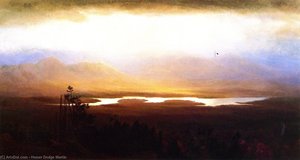
Harp of the Winds


 Read More
Giclée / Art Print
Museum-quality giclée or canvas print with fast production and flexible finish options. ( Buy Hand Made Painting Buy Image)




P118B $10

P118H $10

P118W $10

P438Z $10

P508JH $12

P508YH $12

P805H $10

P805Z $10

P919BZ $10

P919G $10

P919XJ $10

P959ZH $10

P968JZ $12

W106C $8

W218G $10

W218JH $8

W218Y $10

W307PJ $10

W316G $10

W316PJ $8

W316Y $10

W398PJ $8

W4111J $10

W500HY $15

W500JH $15

W692G $12

W849H $8

W940BG $15

W953PJ $8




Pick from our preset sizes that match the artwork's original proportions.

You may enter your own dimensions to fit a specific frame or space. If your selected size does not match the original image's proportions, we will either crop the artwork or extend the image with a mirrored or solid-fill edge. A digital mockup will be sent for your approval before production begins.
Please note that the on-screen preview does not reflect the actual cropping or extension. Only the mockup will accurately show the final composition.
While custom sizes are available, we recommend selecting a dimension from the predefined list to preserve the original proportions.
Worldwide Delivery () in 2 weeks instead of standard 4/5 weeks. (22 August)

Free Worldwide Express Shipping

High-Quality Linen Canvas

Full Shipping Insurance

Customs Tax Refund Guarantee

True Color Matching Guarantee

60-Day Return Policy (Defects Only)

100% Money-Back Guarantee

Bulk Discount Offer
 Glass option is only available in size under 110 CM

Harp of the Winds
Giclée / Art Print
Reproduction Size
-


Total Price
$ 63
Collectible Description
A Bridge Between Worlds: The Life and Art of Homer Dodge Martin
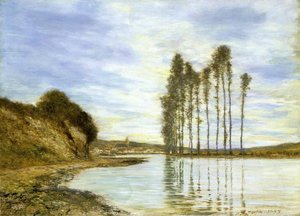
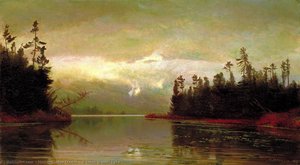
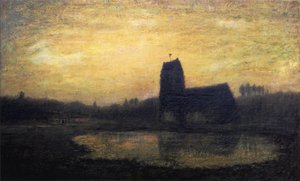
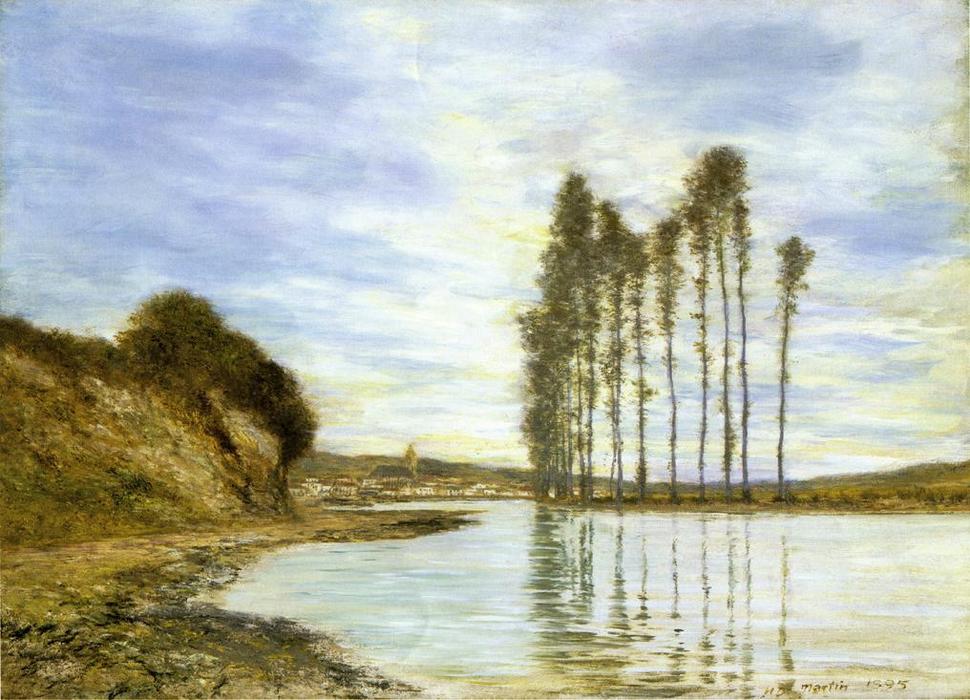
Homer Dodge Martin (1836–1897) stands as an intriguing figure in the annals of American landscape painting, representing a pivotal moment where the grandeur of the Hudson River School began to yield to the burgeoning spirit of Impressionism. His formative years were steeped in artistic influence; briefly tutored by William Hart, he swiftly absorbed the prevailing aesthetic—a dedication to meticulous realism combined with a nascent appreciation for capturing fleeting atmospheric sensations. This early exposure fostered an environment of collaborative creativity within Albany’s vibrant artist community, including George Boughton and Edward Gay, shaping Martin's artistic trajectory and establishing foundational connections that would reverberate throughout his career. ## Early Landscapes: Echoes of the Hudson River School Martin’s formative years witnessed the zenith of the Hudson River School, a movement characterized by grand vistas rendered with painstaking detail and imbued with spiritual reverence for America’s untamed wilderness. Artists like Hart championed the pursuit of sublime beauty—the awe-inspiring grandeur of mountains and rivers—aiming to elevate viewers' souls through contemplation of nature’s majesty. This influence is palpable in Martin’s early works, where meticulous brushstrokes capture the textures of bark, stone, and foliage with remarkable accuracy. The compositions often prioritize horizontal lines mirroring the expansive skies and reflecting a belief in the restorative power of landscapes. ## Impressionistic Vision: Embracing Light and Atmosphere However, Martin swiftly moved beyond the formal constraints of the Hudson River School, embracing the burgeoning spirit of Impressionism—a movement that championed spontaneity and subjective perception. Artists like Claude Monet and Pierre-Auguste Renoir had begun to prioritize capturing fleeting moments of light and color over precise representation, prioritizing feeling over factual detail. This shift is evident in “View on the Seine: Harp of the Winds,” where Dodge Martin skillfully employs loose brushstrokes and a muted palette to convey an atmosphere of tranquil contemplation. ## Subject Matter & Composition “View on the Seine: Harp of the Winds” depicts a serene riverside landscape dominated by tall, slender trees reflected in calm water—a motif frequently explored by Barbizon painters seeking inspiration from the unspoiled beauty of rural France. The composition is deliberately horizontal, emphasizing the expansive vista and mirroring the stillness of the water surface. A distant town silhouette adds depth to the scene, guiding the viewer’s eye across the canvas and fostering a sense of perspective. Dodge Martin's careful placement of the trees contributes to a dynamic balance, preventing the image from feeling static or overly formal. ## Artistic Style & Technique: Impressionistic Vision Homer Dodge Martin stands as a pivotal figure in bridging the gap between the grandeur of the Hudson River School and the burgeoning spirit of Impressionism—a movement that championed capturing fleeting moments of light and atmosphere above meticulous detail. “View on the Seine: Harp of the Winds,” created circa 1893-95, exemplifies this transitional aesthetic with remarkable precision. The painting’s technique is characterized by loose brushstrokes—a hallmark of Impressionism—that prioritize conveying the essence of the scene rather than replicating it photographically. Martin skillfully employed wet-on-wet layering, blending colors seamlessly to achieve a luminous effect that captures the diffused sunlight filtering through the trees and reflecting on the tranquil waters of the Seine. This masterful approach aligns perfectly with the broader artistic movement’s fascination for capturing fleeting moments of beauty and atmosphere. The artwork depicts a serene landscape dominated by a dense grove of tall, slender birch trees—a motif frequently explored in Barbizon painters' works—their branches gracefully swaying in the breeze. The water surface mirrors the foliage above, creating an illusionistic depth that enhances the overall impression of tranquility. Careful observation reveals subtle variations in tonal color and brushstroke texture, indicative of Impressionist techniques aimed at conveying light and shadow rather than precise representation. Homer Dodge Martin’s “View on the Seine: Harp of the Winds,” completed in 1893-95, stands as a testament to the enduring influence of the Barbizon School on American landscape painting. While acknowledging the broader stylistic currents of Impressionism—particularly the embrace of plein air painting and fleeting atmospheric effects—Martin’s vision retains a core connection to the Barbizon tradition's focus on capturing the grandeur and solemn beauty of rural landscapes. This artistic lineage is palpable in the muted palette dominated by earthy browns, ochres, and soft blues, mirroring the tonal harmonies favored by artists like Jean-François Millet and Théodore Rousseau. The artwork itself depicts a serene vista featuring a dense grove of tall trees reflected in tranquil waters—a motif frequently explored during the Romantic era as a symbol of contemplation and connection with nature’s sublime power. The composition is deliberately asymmetrical, placing the tree line slightly off-center to create visual dynamism and subtly emphasizing the artist's perspective. Careful attention has been paid to atmospheric perspective; distant elements appear paler and less defined than those closer to the viewer, reinforcing the impression of depth and conveying a sense of vastness. Homer Dodge Martin’s masterful use of oil paint on canvas exemplifies Impressionism—a movement that prioritized capturing fleeting moments of light and color rather than striving for photographic realism. The artist employed loose brushstrokes and wet-on-wet techniques to blend hues seamlessly, resulting in a luminous surface texture that embodies the spirit of Barbizon landscape painting. Visible impasto adds textural richness, particularly evident in the depiction of tree bark and foliage—a deliberate choice intended to evoke tactile sensations and heighten visual engagement. The artwork "View on the Seine: Harp of the Winds," created by Homer Dodge Martin in 1893-95, stands as a testament to the burgeoning Impressionist movement’s fascination with capturing fleeting moments of atmospheric beauty. Departing from the meticulous detail favored by the Hudson River School, Martin embraced a more subjective approach—one that prioritized emotional resonance over photographic accuracy. Influenced profoundly by Barbizon painters and the serene landscapes of the Adirondacks, he sought to convey not merely what he saw but how he felt when confronted with nature’s grandeur. Martin skillfully employed wet-on-wet painting techniques, blending colors seamlessly on the canvas to achieve a luminous effect that mimics the diffused light characteristic of overcast days or early morning hours. The impasto brushstrokes—thickly applied paint—add textural richness and depth to the scene, capturing the rugged beauty of the trees and the tranquil surface of the water. This technique was particularly favored by Impressionists who wished to capture fleeting moments of visual experience. The artwork’s composition centers around a horizontal line formed by the row of tall trees, creating a sense of stability while simultaneously directing the viewer's gaze across the landscape. The shoreline on the left introduces a diagonal element that enhances dynamism and contributes to the overall atmospheric perspective—a hallmark of Impressionism—where distant objects appear paler and less defined than those closer to the eye. A subtle town nestled in the distance reinforces this depth, grounding the scene within its surroundings. The artwork "View on the Seine: Harp of the Winds," created by Homer Dodge Martin in 1893-95, stands as a testament to the burgeoning Impressionist movement’s fascination with capturing fleeting moments of beauty and emotion. Departing from the meticulous realism championed by the Hudson River School, Martin embraced loose brushstrokes and vibrant color palettes—techniques directly influenced by artists like Claude Monet and Camille Pissarro—to convey an atmosphere of serene contemplation. The scene depicts a tranquil riverside landscape bathed in diffused sunlight, dominated by towering trees whose branches reach towards the sky, mirroring the gentle sway of wind through their foliage. Martin’s masterful use of impasto technique – applying paint thickly onto the canvas – lends textural richness to the depiction of bark and leaves, capturing the essence of the natural world with remarkable precision. The artist skillfully employs wet-on-wet painting methods, blending colors seamlessly to achieve subtle tonal variations that heighten the sense of depth and luminosity. These techniques are characteristic of Impressionism’s core aesthetic: prioritizing light and color over meticulous detail to evoke emotion and capture a fleeting moment in time—a serene landscape bathed in diffused sunlight. The artwork, titled “View on the Seine: Harp of the Winds,” by Homer Dodge Martin, dates back to 1893-95 and represents a pivotal juncture in American art history. Emerging from the shadow of the Hudson River School’s grand narratives of sublime beauty, Martin embraced the burgeoning influence of Impressionism while retaining a core aesthetic rooted in observation and tonal harmony. This stylistic fusion is palpable in every brushstroke—a deliberate rejection of photographic realism favoring instead a painterly approach that prioritizes capturing fleeting atmospheric conditions. Martin's inspiration drew heavily from Barbizon landscapes, where artists sought to depict the natural world with uncompromising honesty and emotional resonance. The Seine River dominates the composition, reflecting not merely its physical presence but also its symbolic role as a conduit between humanity and nature—a motif frequently explored by Romantic painters preceding Martin’s time. However, unlike many of his contemporaries who focused on grand vistas or idealized beauty, Martin opted for a quieter scene: a row of slender trees bathed in diffused sunlight against the backdrop of a distant village. This deliberate choice underscores a fascination with atmospheric perspective and an appreciation for subtle nuances of color and texture—characteristics that firmly establish him within the burgeoning Impressionist movement. The painting’s style is unmistakably Impressionistic, prioritizing fleeting moments of light and sensation over meticulous detail. Martin eschews the precise rendering demanded by the Hudson River School, favoring loose brushstrokes that capture the ephemeral qualities of a particular scene. These visible marks of paint—a technique known as impasto—create a palpable sense of physicality and contribute to the artwork’s overall textural richness. The artist skillfully blends colors wet-on-wetRelated Artworks
Artist Biography
A Bridge Between Worlds: The Life and Art of Homer Dodge Martin
Born in Albany, New York, in 1836, Homer Dodge Martin emerged as a pivotal figure in American landscape painting, a transitional artist who gracefully navigated the shifting currents between the established grandeur of the Hudson River School and the burgeoning innovations of Impressionism. His early life was steeped in artistic promise; briefly tutored by William Hart, he quickly absorbed the prevailing aesthetic of his time—a reverence for detailed realism and the sublime beauty of the American wilderness. Martin’s formative years were also shaped by a vibrant community of artists in Albany, including George Boughton and Edward Gay, fostering an environment of creative exchange that would prove crucial to his development. These early landscapes, meticulously rendered, reflected the Hudson River School's commitment to capturing the majesty of nature, yet even then, hints of a more personal and atmospheric vision were beginning to surface. He spent summers sketching in the Adirondacks, Catskills, and White Mountains, translating those plein air studies into finished works within his New York City studio—a practice common among artists seeking both inspiration from nature and the convenience of urban life. His dedication earned him recognition; election as an associate, and later a full academician, of the National Academy of Design solidified his standing within the art world of the late 19th century.European Awakening and Artistic Transformation
A watershed moment in Martin’s artistic journey arrived with a transformative trip to Europe in 1876. This was not merely a sightseeing excursion, but an immersion into the heart of avant-garde art. Exposure to the Barbizon School—with its emphasis on direct observation and naturalistic depictions of rural life—and the nascent Impressionist movement profoundly altered his artistic sensibilities. The carefully constructed compositions and polished surfaces of his earlier work began to yield to a looser brushstroke, a more evocative use of color, and a heightened sensitivity to atmospheric effects. He wasn’t simply adopting these new techniques; he was internalizing them, filtering them through his own unique vision. This shift didn't happen overnight. It was a gradual evolution, a subtle but significant departure from the established norms of American landscape painting. The influence is not one of imitation, but rather of inspiration—a broadening of horizons that allowed Martin to explore new possibilities in his art.Years in Normandy and the Essence of Place
The culmination of this artistic awakening came during a four-year residency in France, from 1882 to 1886, primarily in Normandy. He became part of the vibrant artist colony at Étaples, exchanging ideas with fellow painters and immersing himself in the French countryside. This period proved remarkably fruitful, yielding some of his most celebrated works. The Harbour at Étaples, for example, is a compelling topographical view that captures the bustling energy of shipbuilding and maritime activity. Cottage in the Forest showcases his growing mastery of atmospheric perspective and his ability to convey mood through subtle shifts in light and color. But it was Harp of the Winds, painted at Villerville on the Seine, that truly cemented his reputation. Now housed in the Metropolitan Museum of Art, this painting exemplifies Martin’s mature style—a harmonious blend of observation and emotion, capturing not just a scene but a feeling, an essence of place. These French paintings demonstrate a remarkable ability to convey both the tangible reality of the landscape and its intangible emotional resonance.Later Years, Legacy, and Enduring Appeal
Despite his artistic achievements, Martin faced hardship in his later years. Poverty and failing eyesight forced him to relocate to St. Paul, Minnesota, in 1893, where he lived with relatives. Remarkably, even as his vision diminished, his creative spirit remained undeterred. Adirondack Scenery, painted from memory while nearly blind, stands as a testament to his enduring passion and artistic skill—a poignant reminder that true artistry transcends physical limitations. Though he experienced limited commercial success during his lifetime, Martin’s reputation grew posthumously. Shortly after his death in 1897, Adirondack Scenery sold for an impressive $5500, signaling a belated recognition of his talent. Today, his paintings are held in numerous prestigious American museums—the Metropolitan Museum of Art, the Smithsonian American Art Museum, the Addison Gallery of American Art, and many others—ensuring that his work continues to inspire and captivate audiences. Homer Dodge Martin is now rightfully recognized as a transitional figure, a bridge between the Hudson River School’s meticulous realism and the atmospheric poetry of American Impressionism. His innovative approach to landscape painting, characterized by its evocative moodiness and loose brushwork, secures his place as a significant and enduring voice in 19th-century American art.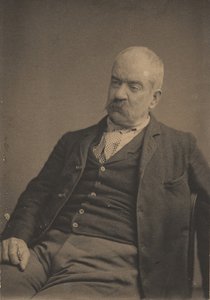
Homer Dodge Martin
1836 - 1897 , United States of America
Quick Facts
- Artistic Movement Or Style: Hudson River School & Impressionism
- Artists Or Movements Influenced By This Artist: ['American Impressionism']
- Artists Who Influenced This Artist:
- William Hart
- Barbizon School
- Camille Corot
- Date Of Birth: October 28, 1836
- Date Of Death: February 12, 1897
- Full Name: Homer Dodge Martin
- Nationality: American
- Notable Artworks:
- Harp of the Winds
- Bridge at Leeds
- Near Newport
- Cottage in Forest
- Place Of Birth: Albany, USA
Related Articles
Winslow Homer's Masterpieces: 25 Iconic Paintings & Their Enduring Legacy | ArtsDot
Explore 25 iconic Winslow Homer paintings – from dramatic seascapes to poignant genre scenes. Discover the stories behind American realism's master & find museum-quality reproductions for your home at ArtsDot.com.
Hudson River School: 10 Masterpieces That Capture America's Wild Beauty | ArtsDot
Journey through America's breathtaking landscapes with our guide to the Top 10 Hudson River School masterpieces. Explore Thomas Cole, Frederic Church & more! Find museum-quality art reproductions and elevate your home decor at ArtsDot.com.

The Sublime Landscape: Exploring the Hudson River School Movement
Explore the captivating world of the Hudson River School! Discover the history, artists, and defining characteristics of this iconic American art movement. Learn about Romanticism's influence & find inspiration for your collection.

Impressionist Landscapes: 10 Masterpieces for Your Home | ArtsDot
Journey through 10 iconic Impressionist landscapes by Monet, Renoir & Degas. Explore the history, techniques & emotions behind these masterpieces. Find museum-quality reproductions for your home at ArtsDot.com – where art comes to life! Discover all masterpieces on ArtsDot.com
Impressionistic Landscapes: 10 Masterpieces That Changed Art & Decor
Journey into the heart of Impressionism! Explore 10 masterpieces by Monet, Renoir & Degas that revolutionized landscape art. Discover their stories, techniques & find museum-quality reproductions to elevate your home decor on ArtsDot.com.