

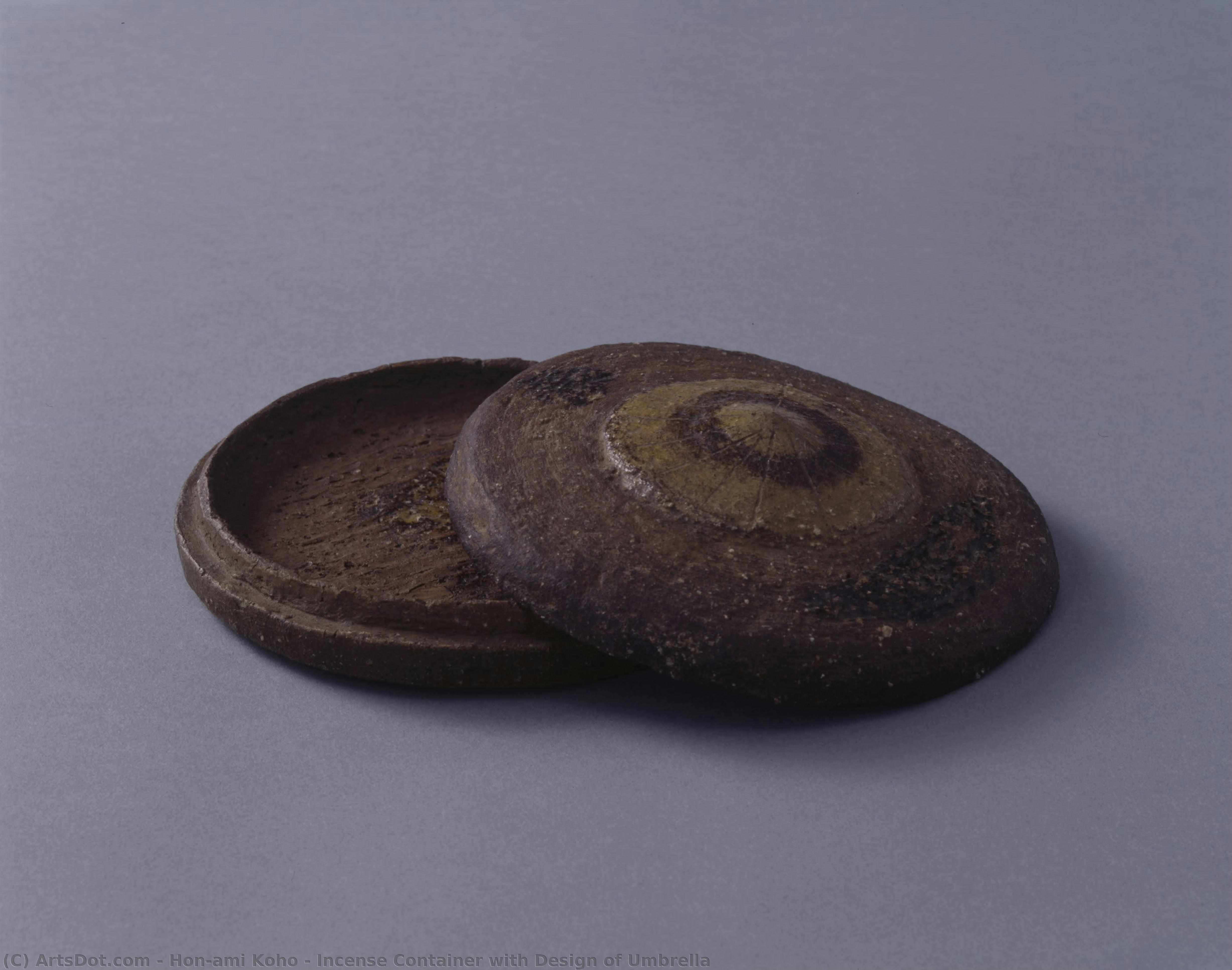
 Preview
 Send
Send Share
Share
 Details

 Download
 Similars
 X-Ray
X-Ray Diaporama
 Stats
StatsIncense Container with Design of Umbrella
 11.0 x 3.0 cm
 Fukuoka Art Museum
 Read More
Purchase a high-resolution, enhanced digital image, far superior to the online preview.
Each file is meticulously prepared by our in-house specialists using advanced tools and expert manual retouching. We ensure every image has exceptional clarity, precise color accuracy, and fine detail.
The final file is delivered via email within 72 hours, optimized for immediate use in professional, editorial, and print environments. This is the same quality trusted by top-tier design studios, publishers, and galleries.
Digital Image
Download a high-resolution file for personal display, printing, and creative projects. ( Switch to Print Buy Hand Made Painting)
Included in Every Digital Image Order
Expert Digital Delivery, Guaranteed
When you choose ArtsDot.com, you're not just getting an image - you're receiving a professionally enhanced digital artwork, crafted with precision and backed by a satisfaction guarantee. Here's everything that comes with your order, automatically:

Fast Email Delivery
Your high-resolution digital image file will be emailed to you within 72 hours of ordering - ready for immediate use.

AI-Enhanced Digital File
Your artwork is professionally optimized using advanced AI tools and manual editing, ensuring maximum detail, clarity, and color accuracy.

Free Lifetime Re-Delivery
Accidentally deleted or lost your file? No worries - we'll resend it to you anytime, free of charge.

No Import Fees - Ever
Enjoy your artwork instantly with zero customs, duties, or delivery fees - digital downloads are always tax-free.

Color Accuracy Guarantee
We ensure your digital image reflects the original colors as closely as possible using professional tools and color management.

100-Day Satisfaction Guarantee
If you're not satisfied with your digital image, we'll revise it or refund 100% within 100 days - no questions asked.

100% Money-Back Guarantee
Not satisfied? Get a full refund within 100 days of receiving your digital file - no questions asked.

Bulk Order Discounts
Buy 3 images, save 10% - Buy 5, save 15% - Buy 10+, save 20%. Great for creative projects, galleries, and agencies.
Related Artworks







Artist Biography
Hon’ami Koho: Bridging Tradition and Innovation in the Heart of Kyoto
Hon’ami Koho (本阿弥 光甫, 1558 – February 27, 1637) stands as a pivotal figure in Japanese art history, a master who seamlessly blended the established traditions of the Rinpa school with his own innovative spirit. Born into a family steeped in the esteemed profession of sword appraisal—a role that connected directly to the powerful Tokugawa shogunate—Koho’s life was one of remarkable versatility and artistic exploration. His journey encompassed ceramics, lacquerware, calligraphy, tea ceremony, and even a deep appreciation for the aesthetics of swordsmanship, creating a uniquely integrated artistic practice that continues to resonate today. His legacy isn't simply as an artist; it’s as a bridge between the past and a burgeoning modern sensibility within Japanese art.Early Life and Artistic Foundations
Koho’s early years were shaped by his family’s lineage and the cultural currents of Kyoto during the late 16th and early 17th centuries. His grandfather, Hon’ami Koetsu, was a renowned craftsman and advisor to the shogunate, establishing a foundation of artistic excellence that Koho would inevitably inherit. Koho's father, Hon’ami Kōji, continued this tradition, specializing in the meticulous polishing and evaluation of swords for the imperial court – a profession deeply intertwined with samurai culture and aesthetic sensibilities. This upbringing instilled within him not only technical skill but also an understanding of the value of craftsmanship, refinement, and the subtle beauty found in materials. Crucially, Koho’s training extended beyond the family business. He immersed himself in the intricacies of the tea ceremony, a practice that was undergoing a revival during this period, largely thanks to the influence of Sen no Rikyū. He also dedicated himself to calligraphy, studying under masters who emphasized brushwork and composition—skills he would later integrate into his paintings. Furthermore, Koho’s interest in Japanese incense and its creation further broadened his artistic horizons, exposing him to diverse materials and techniques. This multifaceted education laid the groundwork for his distinctive style, characterized by a harmonious blend of disciplines.A Distinctive Artistic Style: Simplicity, Elegance, and Ceramic Integration
Koho’s artistic style is immediately recognizable—a masterful synthesis of simplicity, elegance, and an innovative use of ceramic materials. Unlike many of his contemporaries who focused solely on traditional ink painting (sumi-e), Koho frequently incorporated elements of ceramics into his works, a bold departure that would define his legacy. He didn't simply paint *on* ceramics; he treated the clay itself as a medium, manipulating its texture and form to create visually arresting compositions. This approach was deeply influenced by the Raku ware tradition, perfected by his predecessor, Hon’ami Kosō, but Koho elevated it with his own refined sensibility. His paintings are often characterized by bold colors—particularly vibrant reds and greens—applied with a confident hand. Intricate designs, meticulously rendered brushstrokes, and a subtle use of shading contribute to the overall sense of refinement. The integration of ceramic elements – bowls, vases, and other vessels – wasn’t merely decorative; it served as a conceptual device, blurring the boundaries between art forms and inviting viewers to contemplate the inherent beauty of both materials. Koho's work embodies a quiet power—a suggestion of depth and movement within seemingly simple compositions.Notable Works and Artistic Achievements
While Koho’s oeuvre is relatively small, his works are considered among the most significant examples of Rinpa aesthetics. He is particularly renowned for his tea bowls (rakutan), which exemplify his mastery of ceramic form and decoration. These bowls aren't simply functional objects; they are miniature works of art—each one a carefully balanced composition of color, texture, and design. The “Fuji-san” bowl, now housed in the collection of the Tokyo National Museum, is a prime example of his skill and vision. Beyond ceramics, Koho created exquisite lacquerware pieces, showcasing his ability to work with precious materials and intricate techniques. His calligraphy, too, demonstrates a remarkable command of brushwork and composition. He also produced numerous “shikishi” (poem cards), small painted portraits often used as talismans—these are highly prized by collectors today for their artistic merit and historical significance. The influence of his work can be seen in the works of subsequent generations of Rinpa artists, solidifying his position as a foundational figure in Japanese art history.Legacy and Historical Significance
Hon’ami Koho died in 1637, leaving behind a remarkably rich artistic legacy. His innovative approach to ceramics—particularly his integration of the Raku ware tradition—had a profound impact on subsequent generations of artists. He demonstrated that beauty could be found not only in traditional ink painting but also in the humble materials of everyday life. Koho’s work continues to inspire artists today, and his influence can be seen in various forms of Japanese art, from ceramics to lacquerware to painting. His artistic philosophy—a celebration of simplicity, elegance, and the inherent beauty of materials—resonates deeply with contemporary audiences. Koho's legacy extends beyond the purely aesthetic; he represents a pivotal moment in Japanese art history – a time when tradition was reinterpreted and revitalized through innovation and a profound appreciation for craftsmanship. For more information about Hon’ami Koho, please visit: https://ArtsDot.com/@/hon-ami koho. The moa museum of art in japan is also a great resource.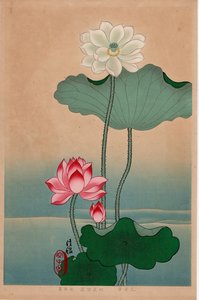
hon'ami koho
1601 - 1682 , Japan
Quick Facts
- Artistic Movement Or Style: Rinpa school
- Artists Or Movements Influenced By This Artist: ['Ogata Kōrin']
- Artists Who Influenced This Artist:
- Hon'ami Koetsu
- Sōtatsu
- Date Of Birth: 1601
- Full Name: Hon'ami Koho (本阿弥 光甫)
- Nationality: Japanese
- Notable Artworks:
- White Raku Bowl
- Incense Container
- Place Of Birth: Kyoto, Japan