

 Preview
 Send
Send Share
Share
 Details

 Download
 Similars
 X-Ray
X-Ray Diaporama
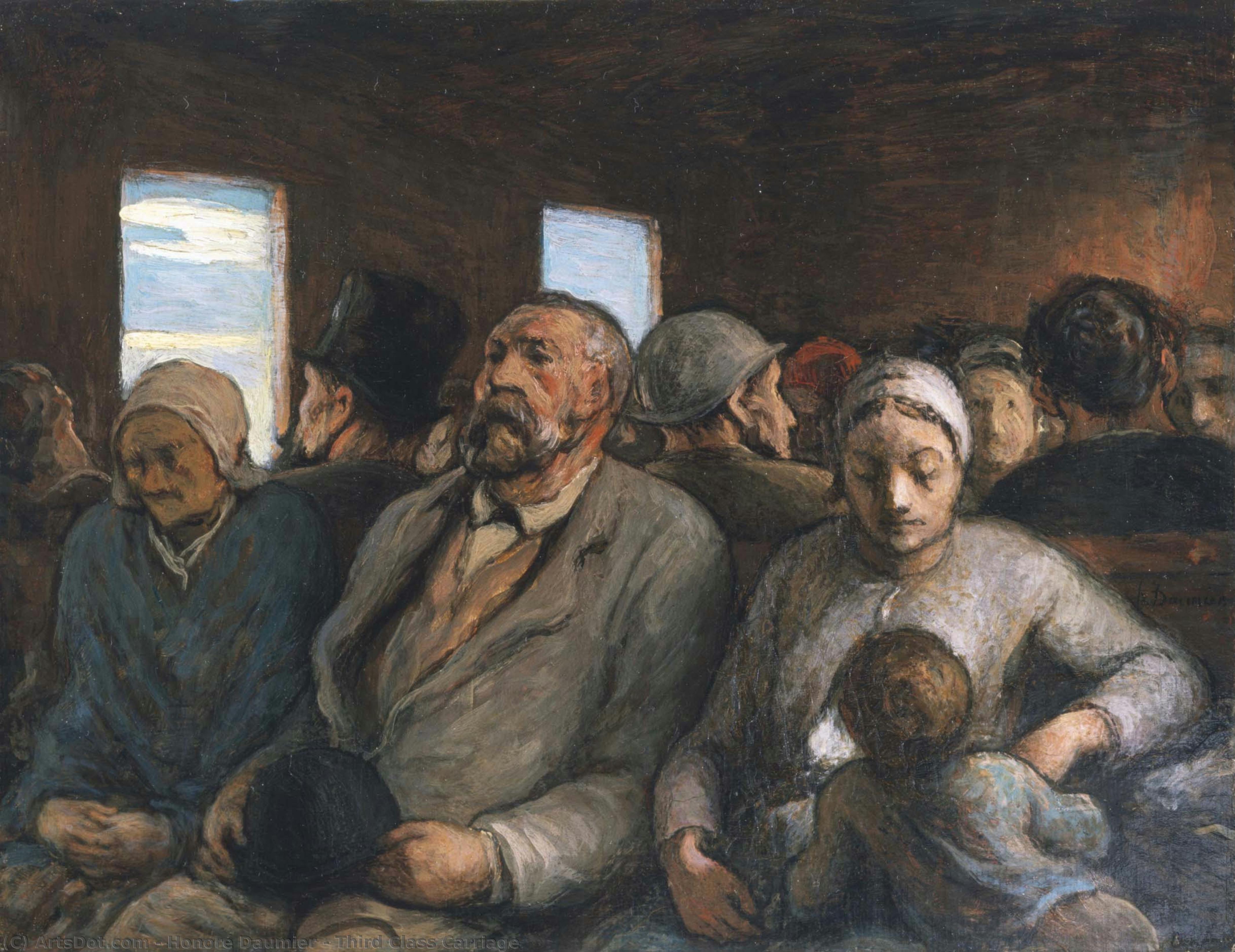
Third Class Carriage
 Acrylic On Canvas
- WallArt
- Contemporary Realism
 19th Century
 26.0 x 33.0 cm
 Legion of Honor
 Read More
Purchase a high-resolution, enhanced digital image, far superior to the online preview.
Each file is meticulously prepared by our in-house specialists using advanced tools and expert manual retouching. We ensure every image has exceptional clarity, precise color accuracy, and fine detail.
The final file is delivered via email within 72 hours, optimized for immediate use in professional, editorial, and print environments. This is the same quality trusted by top-tier design studios, publishers, and galleries.
Digital Image
Download a high-resolution file for personal display, printing, and creative projects. ( Buy Print Buy Hand Made Painting)
Included in Every Digital Image Order
Expert Digital Delivery, Guaranteed
When you choose ArtsDot.com, you're not just getting an image - you're receiving a professionally enhanced digital artwork, crafted with precision and backed by a satisfaction guarantee. Here's everything that comes with your order, automatically:

Fast Email Delivery
Your high-resolution digital image file will be emailed to you within 72 hours of ordering - ready for immediate use.

AI-Enhanced Digital File
Your artwork is professionally optimized using advanced AI tools and manual editing, ensuring maximum detail, clarity, and color accuracy.

Free Lifetime Re-Delivery
Accidentally deleted or lost your file? No worries - we'll resend it to you anytime, free of charge.

No Import Fees - Ever
Enjoy your artwork instantly with zero customs, duties, or delivery fees - digital downloads are always tax-free.

Color Accuracy Guarantee
We ensure your digital image reflects the original colors as closely as possible using professional tools and color management.

60-Day Satisfaction Guarantee
If you're not satisfied with your digital image, we'll revise it or refund 100% within 60 days - no questions asked.

100% Money-Back Guarantee
Not satisfied? Get a full refund within 60 days of receiving your digital file - no questions asked.

Bulk Order Discounts
Buy 3 images, save 10% - Buy 5, save 15% - Buy 10+, save 20%. Great for creative projects, galleries, and agencies.
Collectible Description
Honoré Daumier’s ‘Third Class Carriage’: A Window into 19th-Century France
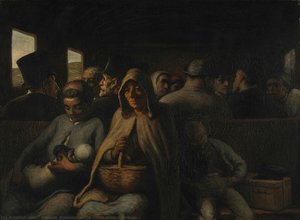
Honoring the legacy of Honoré Daumier, this meticulously crafted hand-painted reproduction captures a quintessential moment in French history – a snapshot of everyday life aboard a third-class train carriage. Painted with an astute eye for detail and imbued with the social commentary that defined Daumier’s oeuvre, “Third Class Carriage” offers more than just a visual representation; it's a poignant glimpse into the lives and experiences of ordinary people navigating the burgeoning industrial landscape of 19th-century France. The scene unfolds within a tightly composed black and white image, dominated by the utilitarian space of the train car itself – benches stretching across the frame, occupied by thirteen individuals engaged in quiet contemplation or absorbed in their pursuits.
Realism and Social Critique: Daumier’s Artistic Vision
- Style & Technique: Daumier's mastery lies in his ability to fuse realism with a distinctly expressive draftsmanship. The painting employs a meticulous technique, characteristic of the Realist movement, focusing on accurate depiction and avoiding romanticized embellishment. Notice the subtle variations in shading, creating depth and volume within the figures and their surroundings. The use of black and white amplifies the starkness of the scene, intensifying the emotional impact and emphasizing the social disparities inherent in the subject matter.
- Historical Context: Created during a period of significant social and political upheaval in France – the rise of industrialization, urbanization, and growing class tensions – Daumier’s work served as a powerful form of social critique. The third-class carriage represented a microcosm of French society, highlighting the diverse experiences and struggles of its passengers.
- Influences: Daumier's artistic development was shaped by several key influences. His early training under Alexandre Lenoir exposed him to classical traditions and the dramatic use of light and shadow reminiscent of Rubens. This foundation, combined with his own keen observation of Parisian life, allowed him to develop a unique style that blended technical skill with profound social awareness.
Symbolism and Narrative
The composition itself is rich in symbolic potential. The close proximity of the passengers suggests both intimacy and constraint – a reflection of the realities of shared space and circumstance. The men in ties, representing various professions and social strata, underscore the diverse nature of the traveling public. Daumier’s deliberate choice to depict this seemingly mundane scene elevates it to a powerful statement about human connection, social inequality, and the transformative power of travel. It invites viewers to consider the stories behind each face, prompting reflection on themes of class, identity, and the shared human experience.
A Timeless Masterpiece for Your Collection
This hand-painted reproduction of “Third Class Carriage” by Honoré Daumier is more than just a beautiful artwork; it’s an investment in art history. Printed on high-quality archival paper with meticulous attention to detail, this piece will bring a touch of Daumier's genius into your home or office. Its size (26 x 33 cm) makes it ideal for a variety of settings – from a small study to a larger living room. Perfect for interior designers seeking to evoke the spirit of 19th-century France, or art collectors drawn to Daumier’s powerful social commentary and masterful technique, this reproduction offers an unparalleled opportunity to own a piece of artistic history.
Related Artworks
Artist Biography
A Life Etched in Satire: The World of Honoré Daumier
Born in Marseille in 1808, Honoré-Victorin Daumier’s journey was one deeply intertwined with the tumultuous currents of 19th-century France. His early life, marked by his father's poetic aspirations and subsequent relocation to Paris in 1814, immersed him in a city brimming with artistic energy. Though initially destined for a legal career, young Daumier’s inclination leaned irrevocably towards art. He apprenticed under Alexandre Lenoir, absorbing classical influences alongside an appreciation for the dramatic chiaroscuro of Rubens, and further honed his skills at the Académie Suisse. This foundational training would prove crucial in shaping his distinctive style—a potent blend of realism and expressive draftsmanship. However, it wasn’t merely artistic technique that defined Daumier; it was a profound sensitivity to the social injustices and political absurdities surrounding him.The Sharpened Pen: Caricature and Social Commentary
Daumier's career truly ignited in the wake of the 1830 Revolution, an event that irrevocably altered the course of French history and simultaneously provided fertile ground for his burgeoning satirical talent. He quickly established himself as a master lithographer, initially contributing anonymously to various publications before gaining prominence through his work with *Le Charivari*, a fiercely independent comic journal founded by Charles Philipon. It was here that Daumier’s genius truly blossomed. His caricatures weren't simply humorous depictions; they were scathing indictments of the bourgeoisie, the legal system, and the political establishment. He fearlessly lampooned King Louis-Philippe, earning himself a six-month imprisonment in 1832 for a particularly biting caricature. This experience, far from silencing him, only solidified his commitment to exposing hypocrisy and challenging authority through art. His lithographs became visual manifestos, capturing the spirit of dissent and offering a critical commentary on the societal ills of his time. The sheer volume of his output during this period is astonishing—thousands of lithographs that served as both popular entertainment and potent political statements.Beyond Caricature: Painting and Sculptural Visions
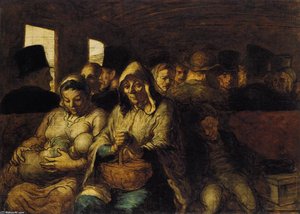
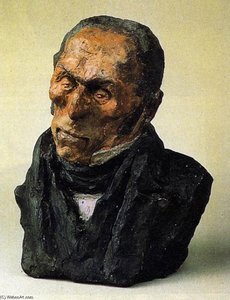
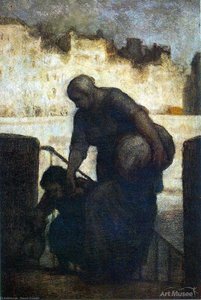
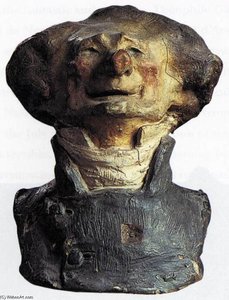
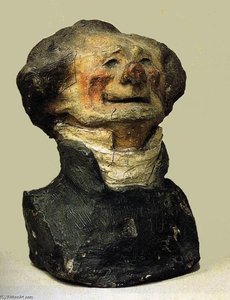
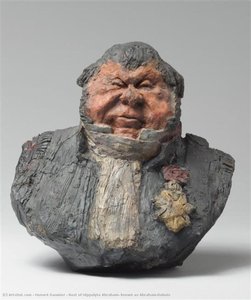
While Daumier is most celebrated for his lithography, to confine him solely to the realm of caricature would be a grave disservice. He was also a dedicated painter and sculptor, though recognition for these works came later in life. His paintings, often depicting scenes of everyday Parisian life—the third-class carriage, the laundresses, the lawyers—are imbued with a profound sense of realism and empathy. They are not idealized portrayals but rather unflinching depictions of hardship and struggle. He masterfully employed loose brushwork and dramatic lighting to convey emotion and atmosphere, foreshadowing some of the techniques later embraced by the Impressionists. His sculptural work, largely created in clay (many pieces remaining unbaked during his lifetime), reveals a similar commitment to capturing the human form with honesty and emotional depth. These sculptures, rediscovered after his death, demonstrate a remarkable talent for modeling and an ability to convey psychological complexity through physical gesture.A Lasting Legacy: Influence and Historical Significance
Honoré Daumier’s impact on art history is undeniable. He bridged the gap between Romanticism and Realism, paving the way for future generations of artists who sought to depict the world as it truly was—warts and all. His unflinching social commentary influenced artists like Gustave Courbet and Édouard Manet, while his innovative use of lithography revolutionized printmaking. His work continues to resonate today, reminding us of the power of art to challenge authority, expose injustice, and bear witness to the human condition. The Musée d'Orsay in Paris houses a significant collection of his paintings and sculptures, offering visitors a glimpse into the world he so vividly portrayed. His lithographs are widely accessible through collections like those found on ArtsDot, ensuring that his satirical genius continues to provoke thought and inspire dialogue. Daumier wasn’t merely an artist; he was a chronicler of his time—a visual poet who used his talent to give voice to the voiceless and hold power accountable. His legacy endures as a testament to the enduring relevance of art as a force for social change.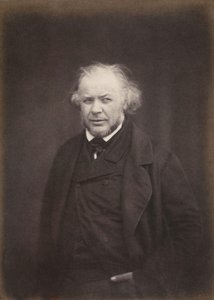
Honoré Daumier
1808 - 1879 , France
Quick Facts
- Artistic Movement Or Style: Realism, Satire
- Artists Or Movements Influenced By This Artist:
- Impressionism
- Modern art
- Artists Who Influenced This Artist:
- Alexandre Lenoir
- Jacques-Louis David
- Date Of Birth: February 26, 1808
- Date Of Death: February 10, 1879
- Full Name: Honoré-Victorin Daumier
- Nationality: French
- Notable Artworks:
- Rue Transnonain
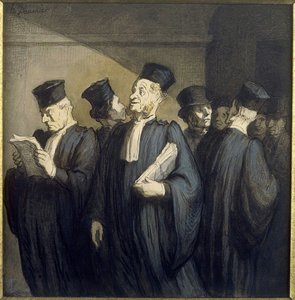
- Les gens de justice
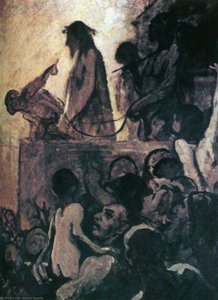
- Ecce Homo
- Place Of Birth: Marseille, France

