

 Preview
 Send
Send Share
Share
 Details

 Download
 Similars
 X-Ray
X-Ray Diaporama
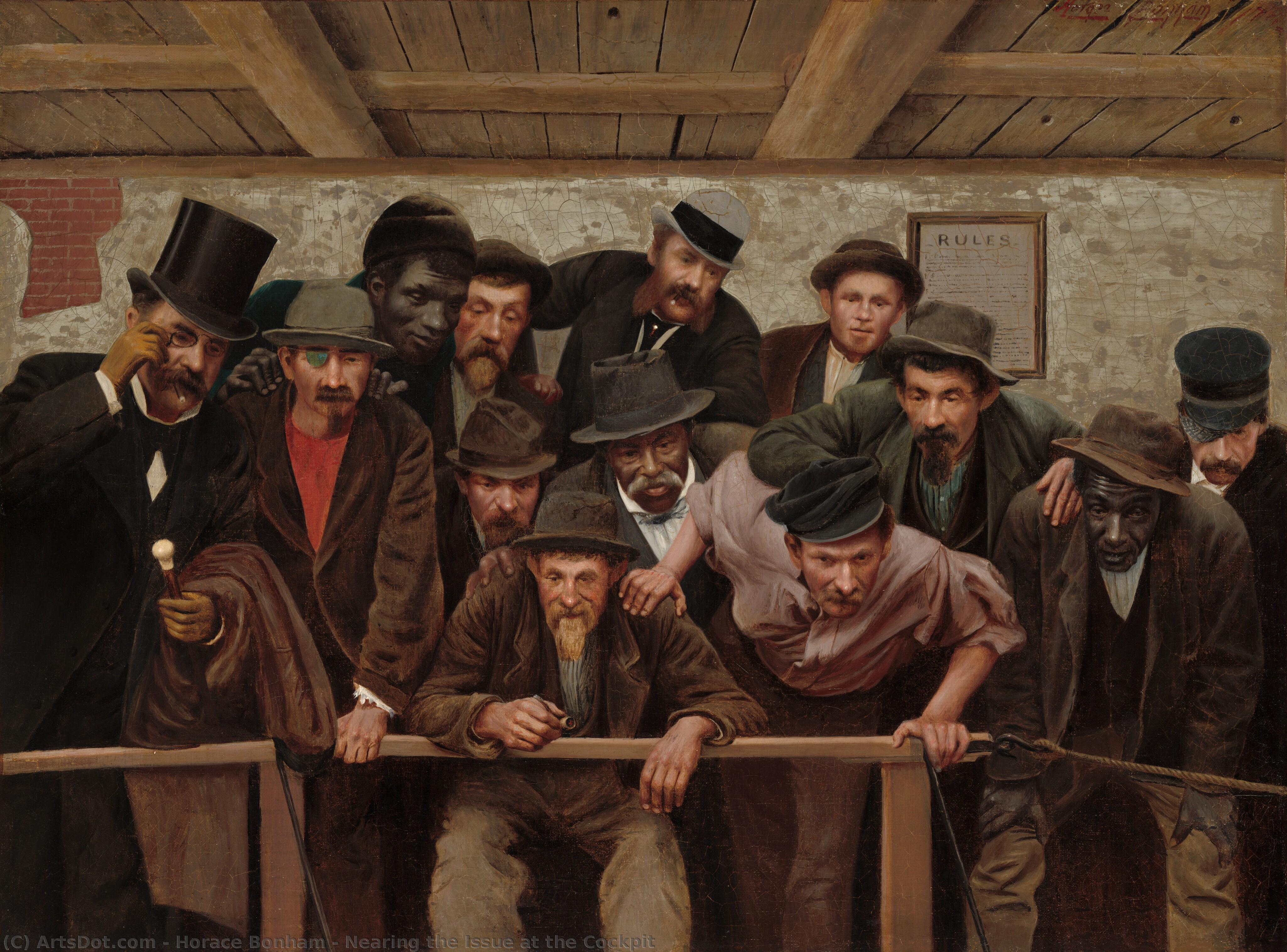
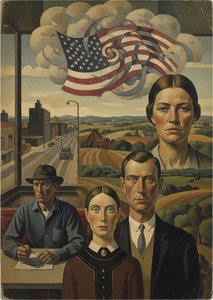
Nearing the Issue at the Cockpit


 Read More
Hand Made Oil Reproduction
Hand-painted oil on canvas in your size and frame, made to order by our artists. ( Buy Print Buy Image)




































Pick from our preset sizes that match the artwork's original proportions.

You may enter your own dimensions to fit a specific frame or space. If your selected size does not match the original image's proportions, we will either crop the artwork or extend the painting with additional hand-painted elements. A digital mockup will be sent for your approval before production begins.
Please note that the on-screen preview does not reflect the actual cropping or extension. Only the mockup will accurately show the final composition.
While custom sizes are available, we recommend selecting a dimension from the predefined list to preserve the original proportions.
After order, ArtsDot.com team will email client for instructions and provide a mockup preview
Worldwide Delivery () in 3/4 weeks instead of standard 5 weeks. (20 August). No compromise on quality.

Free Worldwide Express Shipping

High-Quality Linen Canvas

Full Shipping Insurance

Customs Tax Refund Guarantee

True Color Matching Guarantee

60-Day Return Policy (Defects Only)

100% Money-Back Guarantee

Bulk Discount Offer
 Glass option is only available in size under 110 CM

Nearing the Issue at the Cockpit
Reproduction Medium
Reproduction Size
-


Total Price
$ 613
Related Artworks
Artist Biography
A Renaissance Soul: The Life and Art of Horace Bonham
Horace Bonham, a name perhaps unfamiliar to many today, represents a fascinating archetype of the 19th-century American spirit – a true renaissance man flourishing in the heart of York County, Pennsylvania. Born on November 26, 1835, in York, Bonham was far more than simply an artist; he was a lawyer, a newspaper proprietor, and a dedicated observer of life whose consuming passion manifested itself through his evocative paintings. His story is one of multifaceted talent and a commitment to capturing the essence of his time, leaving behind a legacy that now graces esteemed institutions like the National Museum of American Art in Washington D.C., and the Metropolitan Museum of Art in New York City.From Law Books to Landscapes: Bonham’s Artistic Journey
While formally trained in law, Bonham's heart clearly resided within the realm of artistic expression. He pursued his legal career with diligence, but it was the brush and canvas that truly captured his imagination. The details surrounding his formal art education remain somewhat elusive; however, it is evident he possessed a natural aptitude for realism and a keen eye for detail. Bonham’s early work reflects this self-taught quality, characterized by meticulous depictions of everyday life in York County. He wasn't drawn to grand historical narratives or idealized landscapes, but rather to the quiet dignity of ordinary people and the subtle beauty of his surroundings. This focus on realism set him apart from many of his contemporaries who favored more romanticized styles. His newspaper ownership likely provided a unique perspective, exposing him to diverse stories and characters that would later populate his canvases.Themes and Techniques: A Portrait of 19th-Century America
Bonham’s paintings offer a compelling glimpse into the Victorian era in rural Pennsylvania. He excelled at portraiture, capturing not just the likenesses of his subjects but also their inner character and social standing. His portraits are often imbued with a sense of quiet introspection, revealing the complexities of human emotion beneath a veneer of formality. Beyond portraiture, Bonham frequently depicted scenes of domestic life – families gathered in parlors, individuals engaged in daily tasks, and landscapes that spoke to the agricultural heartland of America. His technique was marked by a precise attention to detail, employing a rich palette and skillful use of light and shadow to create depth and realism. He wasn’t an innovator pushing boundaries of style; instead, he perfected a traditional approach, demonstrating mastery in capturing texture, form, and atmosphere. The influence of early photography is often noted in his work, particularly in the clarity of detail and compositional structure. This isn't to suggest imitation, but rather a reflection of the growing impact of this new medium on visual culture during the 19th century.Legacy and Historical Significance
Horace Bonham’s life was tragically cut short on March 7, 1892, in his hometown of York. Despite his relatively early death, he left behind a substantial body of work that continues to resonate with viewers today. His paintings are not merely historical documents; they are intimate portraits of a bygone era, offering valuable insights into the lives, values, and aesthetics of 19th-century America. The inclusion of his works in prominent museums like the National Gallery of Art and the Metropolitan Museum of Art underscores their artistic merit and cultural significance. Bonham’s legacy lies in his ability to elevate the ordinary, transforming everyday scenes and individuals into compelling works of art that speak to the universal human experience. He stands as a testament to the power of observation, dedication, and the enduring appeal of realistic representation.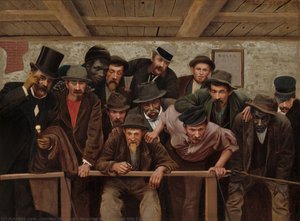
horace bonham
1835 - 1892 , United States of America
Quick Facts
- Artistic Movement Or Style: Realistic portraits
- Date Of Birth: November 26, 1835
- Date Of Death: March 7, 1892
- Full Name: Horace Bonham
- Nationality: American
- Place Of Birth: York, USA
Related Articles
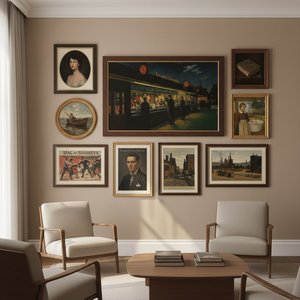
American Realism's Defining Works: 10 Masterpieces for Your Home
Explore 10 defining American Realism masterpieces – Hopper, Homer & more. Discover the stories behind these iconic paintings and bring timeless art to your home with ArtsDot's museum-quality reproductions. Explore the full collection online.
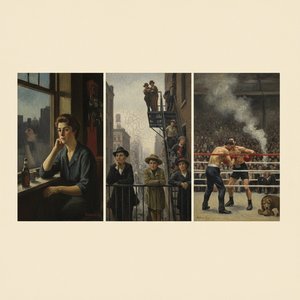
American Realism: Social Commentary & Artistic Representation in Early 20th-Century Painting
Explore the powerful social commentary & artistic representation of American Realism. Discover key artists like Bellows & Sloan, and understand the movement's lasting impact on 20th-century art history.
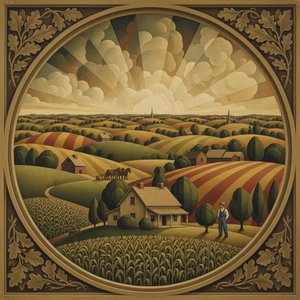
Grant Wood & American Regionalism: Identity, Myth & the Rural Landscape
Explore the world of Grant Wood & American Regionalism with ArtsDot. Discover the symbolism behind 'American Gothic', recurring themes, and the movement's lasting impact on art history. High-quality reproductions available.
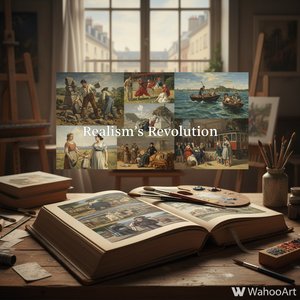
Realism's Revolution: 10 Masterpieces That Changed Art |
Explore 10 defining Realism masterpieces – Courbet, Millet & more. Discover the stories behind these iconic paintings and their impact on art history. Find museum-quality reproductions for your home at !
Echoes of Place: Regionalism & American Identity in Interwar Art
Explore the rise of American Regionalism in interwar art! Discover Grant Wood, Thomas Hart Benton & the movement's impact on American identity. Expert analysis & historical context.

