

 Preview
 Send
Send Share
Share
 Details

 Download
 Similars
 X-Ray
X-Ray Diaporama
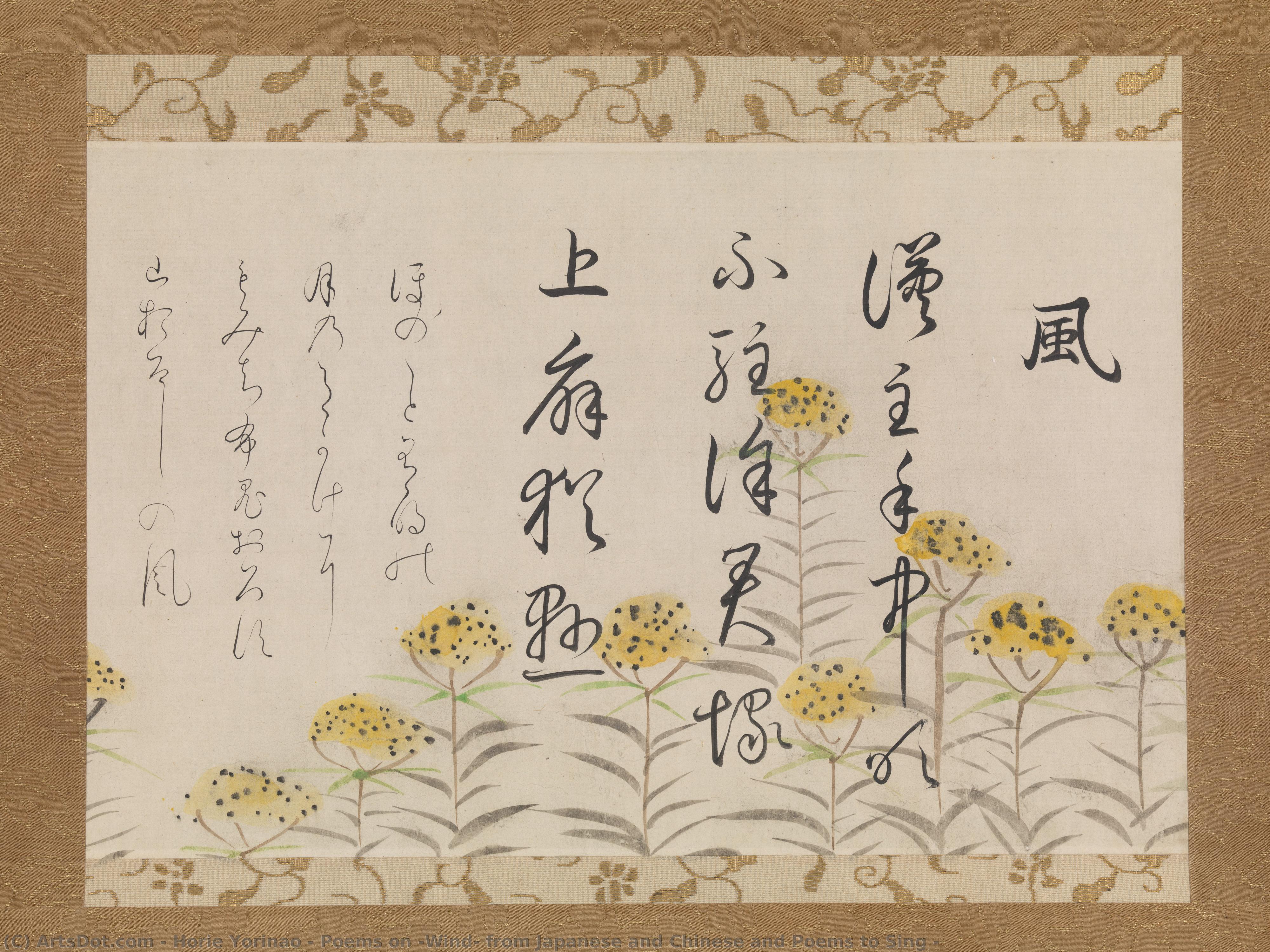
Poems on “Wind” from Japanese and Chinese and Poems to Sing
 1670
1670 27.0 x 42.0 cm
 Read More
Purchase a high-resolution, enhanced digital image, far superior to the online preview.
Each file is meticulously prepared by our in-house specialists using advanced tools and expert manual retouching. We ensure every image has exceptional clarity, precise color accuracy, and fine detail.
The final file is delivered via email within 72 hours, optimized for immediate use in professional, editorial, and print environments. This is the same quality trusted by top-tier design studios, publishers, and galleries.
Digital Image
Download a high-resolution file for personal display, printing, and creative projects. ( Buy Print Buy Hand Made Painting)
Included in Every Digital Image Order
Expert Digital Delivery, Guaranteed
When you choose ArtsDot.com, you're not just getting an image - you're receiving a professionally enhanced digital artwork, crafted with precision and backed by a satisfaction guarantee. Here's everything that comes with your order, automatically:

Fast Email Delivery
Your high-resolution digital image file will be emailed to you within 72 hours of ordering - ready for immediate use.

AI-Enhanced Digital File
Your artwork is professionally optimized using advanced AI tools and manual editing, ensuring maximum detail, clarity, and color accuracy.

Free Lifetime Re-Delivery
Accidentally deleted or lost your file? No worries - we'll resend it to you anytime, free of charge.

No Import Fees - Ever
Enjoy your artwork instantly with zero customs, duties, or delivery fees - digital downloads are always tax-free.

Color Accuracy Guarantee
We ensure your digital image reflects the original colors as closely as possible using professional tools and color management.

60-Day Satisfaction Guarantee
If you're not satisfied with your digital image, we'll revise it or refund 100% within 60 days - no questions asked.

100% Money-Back Guarantee
Not satisfied? Get a full refund within 60 days of receiving your digital file - no questions asked.

Bulk Order Discounts
Buy 3 images, save 10% - Buy 5, save 15% - Buy 10+, save 20%. Great for creative projects, galleries, and agencies.
Related Artworks









Artist Biography
early life and career
horie yorinao (tōgen), a renowned japanese artist, was born in 1637 in edo, japan. he is best known for his exquisite book illustrations and mastery of the ukiyo-e style. horie's work is characterized by its delicate and refined manner, making him a prominent figure in japanese art.artistic contributions
horie yorinao's works are highly regarded for their beauty and elegance. he was particularly skilled in depicting landscapes and figures, which can be seen in his various book illustrations. his contributions to the ukiyo-e tradition have been widely recognized, making him a celebrated artist in japan.notable works
* horie yorinao's book illustrations are a testament to his skill and artistry. * his landscapes and figures are depicted with precision and delicacy, showcasing his mastery of the ukiyo-e style.influence and legacy
* horie yorinao's work has been influential in the development of japanese art, particularly in the ukiyo-e tradition. * his book illustrations have been widely recognized, making him a prominent figure in japanese art history.comparison to other artists
* ando hiroshige, another renowned ukiyo-e artist, is known for his landscape series, such as the fifty-three stations of the tōkaidō. * katsushika hokusai gained fame for his iconic print, the great wave off kanagawa.museums and collections
* the metropolitan museum of art in new york city features a collection of ukiyo-e prints, including works by horie yorinao. * the art institute of chicago also has an extensive collection of japanese art, including ukiyo-e prints. discover the beauty of horie yorinao's ukiyo-e art and explore the world of japanese art on ArtsDot.com.
horie yorinao (tōgen)
1637 - 1689 , Japan
Quick Facts
- Artistic Movement Or Style: Baroque, Dutch Golden Age
- Artists Or Movements Influenced By This Artist:
- Jacques-Louis David
- Jean-Auguste-Dominique Ingres
- Artists Who Influenced This Artist:
- Nicolas Poussin
- Jan van der Heyden
- Date Of Birth: July 15, 1606
- Date Of Death: October 4, 1669
- Full Name: Rembrandt Harmenszoon van Rijn
- Nationality: Dutch
- Notable Artworks:
- The Night Watch
- Belshazzar’s Feast
- The Return of the Prodigal Son
- Place Of Birth: Leiden, Netherlands

