

 Send
Send Share
Share
 Details

 Download
 Similars
 Diaporama
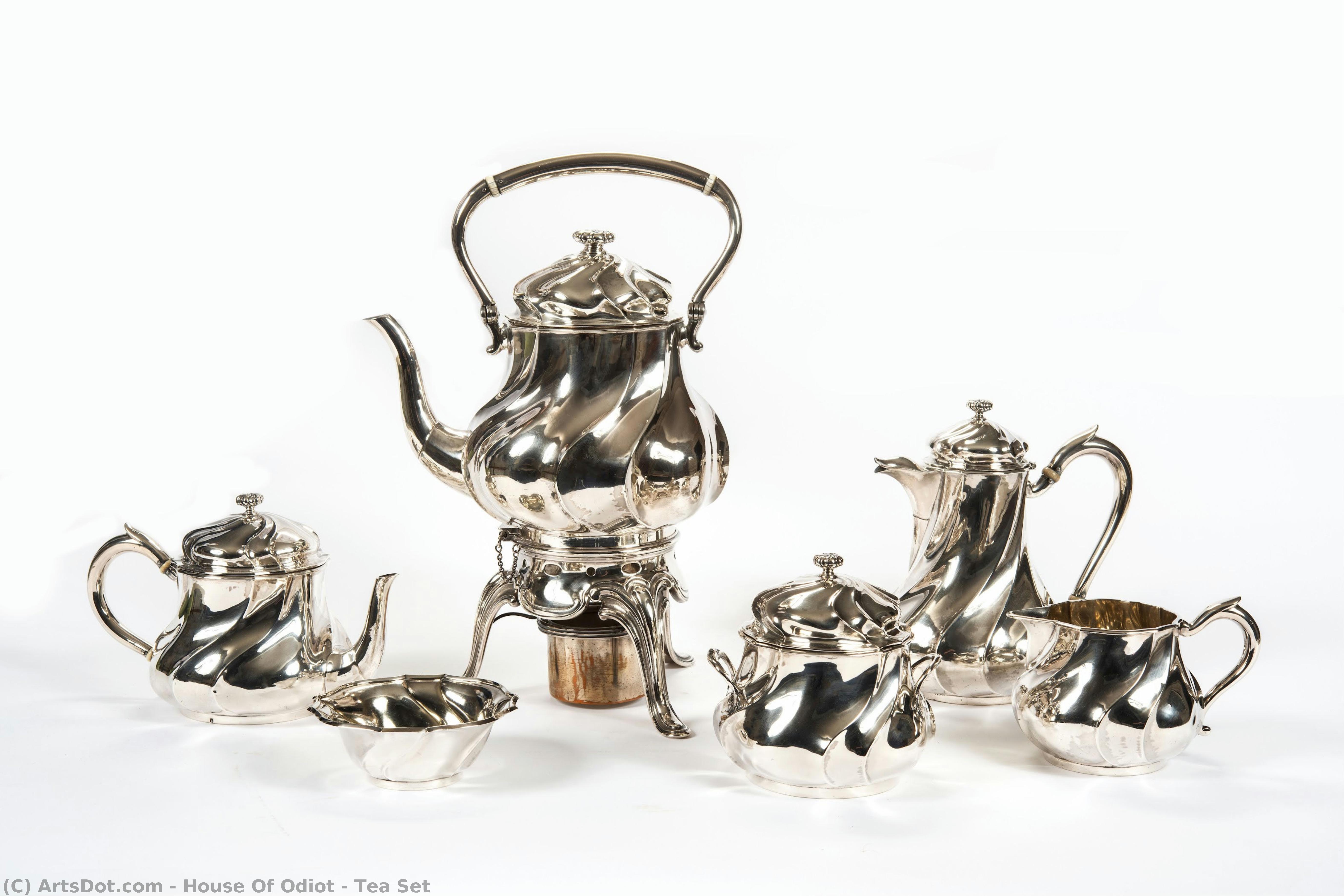
Tea Set


 Read More
Purchase a high-resolution, enhanced digital image, far superior to the online preview.
Each file is meticulously prepared by our in-house specialists using advanced tools and expert manual retouching. We ensure every image has exceptional clarity, precise color accuracy, and fine detail.
The final file is delivered via email within 72 hours, optimized for immediate use in professional, editorial, and print environments. This is the same quality trusted by top-tier design studios, publishers, and galleries.
Digital Image
Download a high-resolution file for personal display, printing, and creative projects. ( Buy Print Buy Hand Made Painting)
Included in Every Digital Image Order
Expert Digital Delivery, Guaranteed
When you choose ArtsDot.com, you're not just getting an image - you're receiving a professionally enhanced digital artwork, crafted with precision and backed by a satisfaction guarantee. Here's everything that comes with your order, automatically:

Fast Email Delivery
Your high-resolution digital image file will be emailed to you within 72 hours of ordering - ready for immediate use.

AI-Enhanced Digital File
Your artwork is professionally optimized using advanced AI tools and manual editing, ensuring maximum detail, clarity, and color accuracy.

Free Lifetime Re-Delivery
Accidentally deleted or lost your file? No worries - we'll resend it to you anytime, free of charge.

No Import Fees - Ever
Enjoy your artwork instantly with zero customs, duties, or delivery fees - digital downloads are always tax-free.

Color Accuracy Guarantee
We ensure your digital image reflects the original colors as closely as possible using professional tools and color management.

100-Day Satisfaction Guarantee
If you're not satisfied with your digital image, we'll revise it or refund 100% within 100 days - no questions asked.

100% Money-Back Guarantee
Not satisfied? Get a full refund within 100 days of receiving your digital file - no questions asked.

Bulk Order Discounts
Buy 3 images, save 10% - Buy 5, save 15% - Buy 10+, save 20%. Great for creative projects, galleries, and agencies.
Related Artworks


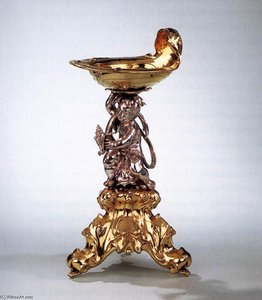
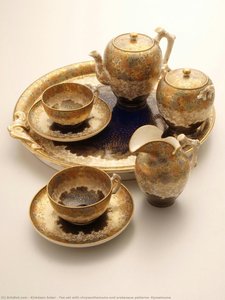
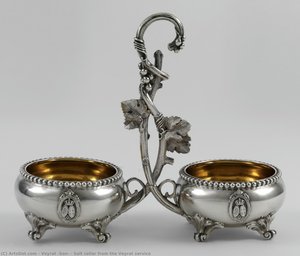

Artist Biography
The Enduring Legacy of House of Odiot: A Parisian Dynasty in Silver
Founded in 1690, during the reign of Louis XIV, the House of Odiot emerged as a beacon of exquisite craftsmanship in the world of silversmithing. The initial success of Jean-Baptiste Gaspard Odiot laid the foundation for a dynasty that would flourish over centuries, becoming synonymous with luxury and artistic innovation. However, it was under the direction of his grandson, Jean-Baptiste Claude Odiot, that the firm truly ascended to international renown. Jean-Baptiste Claude inherited not only a workshop but also a legacy of meticulous detail and an unwavering commitment to quality—qualities that would define his era and secure commissions from some of Europe’s most powerful figures. The early years were marked by a dedication to serving the French aristocracy, establishing Odiot as a purveyor of refined elegance for a discerning clientele.The Napoleonic Era: A Golden Age
The rise of Napoleon Bonaparte proved transformative for the House of Odiot. Jean-Baptiste Claude’s exceptional talent did not go unnoticed by the Emperor, who entrusted him with an array of prestigious projects that showcased both his artistic skill and the firm's technical prowess. Among these commissions were iconic pieces such as the sacred scepter and sword—symbols of imperial authority meticulously crafted in gold and silver. The demand extended beyond ceremonial objects; Napoleon commissioned immense dinner services not only for himself but also for members of his family, including his mother and sister Pauline Borghèse. These weren’t merely functional items but elaborate displays of wealth and power, reflecting the opulence of the Empire period. The influence of classical Greek and Egyptian motifs, prevalent in the Directoire and Empire styles, became increasingly apparent in Odiot's work during this time—a testament to the era’s fascination with antiquity. The firm’s reputation transcended national borders, leading to commissions from courts across Europe, solidifying its position as a leader in luxury goods.A Tradition of Innovation: Charles Nicolas and Gustave Odiot
Following Jean-Baptiste Claude's retirement in 1823, the mantle passed to his son, Charles Nicolas Odiot. He continued to uphold the family’s standards of excellence while embracing new techniques and stylistic trends. Charles Nicolas excelled in the Rococo style—a departure from the neoclassical forms favored by his father—incorporating delicate shells, graceful scrolls, and richly ornate details into his designs. His appointment as purveyor to King Louis-Philippe and the Royal Family of Orleans further cemented Odiot’s status within French society. A key innovation during Charles Nicolas' tenure was the introduction of electroplating, a technique imported from England that allowed for greater efficiency and affordability in silver production. The legacy continued with Gustave Odiot, who took over the business in 1856. He oversaw what remains one of the most ambitious projects in the firm’s history: the creation of an astounding 3,000 pieces of solid gold flatware for Saïd Pacha, the Viceroy of Egypt. Gustave also secured a royal appointment as purveyor to His Imperial Majesty the Tsar, demonstrating Odiot's continued appeal to international royalty and further expanding its global reach. He was the last member of the Odiot family to directly preside over the company, marking the end of an era but not the end of the dynasty’s influence.Techniques and Symbolism: The Artistry Behind the Silver
The enduring quality of House of Odiot pieces stems from a dedication to traditional techniques passed down through generations. Silversmiths employed methods largely unchanged since the time of Louis XV, utilizing tools such as anvils, burnishers, drawtongs, and cross-pein hammers with unparalleled skill. The use of high-quality materials—sterling silver (925/1000 purity) for flatware and 950/1000 purity silver for other handcrafted items—ensured both durability and aesthetic brilliance. Each object bore the hallmark “Minerve du Service Français de la Garantie,” a testament to its authenticity and quality, alongside the master silversmith’s mark. Beyond technical mastery, Odiot's work often incorporated symbolic elements reflecting the tastes of the era and the desires of their patrons. The butterfly, for example, frequently appeared in designs commissioned during the Empire period—representing the feminine soul and elegance. The revival of classical motifs signaled a return to order and grandeur, while Rococo flourishes embodied a sense of playful luxury.A Continuing Legacy: Odiot Today
Today, the House of Odiot continues its prestigious journey into the future, maintaining its commitment to exceptional technical and artistic quality. The firm draws inspiration from its unique collection of technical drawings dating back to the 18th century, ensuring that traditional craftsmanship remains at the heart of every creation. Pieces crafted by Odiot are displayed in esteemed museums worldwide—including the Musée du Louvre in Paris and the Metropolitan Museum of Art in New York—testifying to their lasting impact on the art of silversmithing. The story of House of Odiot is not merely a chronicle of artistic achievement but also a reflection of French history, royal patronage, and an unwavering dedication to beauty and refinement. The firm stands as a testament to the enduring power of craftsmanship and the timeless allure of silver—a legacy that continues to shine brightly in the 21st century.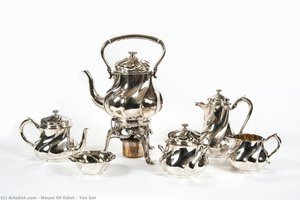
house of odiot
1690 - , France
Quick Facts
- Artistic Movement Or Style: Silversmithing, Neoclassical
- Date Of Birth: 1690
- Full Name: House of Odiot
- Nationality: French
- Notable Artworks:
- Tea Set
- Sacred Scepter & Sword
- King of Rome's Cradle
- Place Of Birth: Paris, France