 Preview
 Send
Send Share
Share
 Details

 Download
 Similars
 X-Ray
X-Ray Diaporama
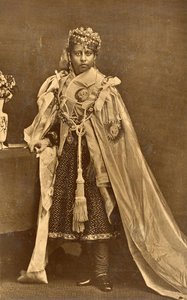
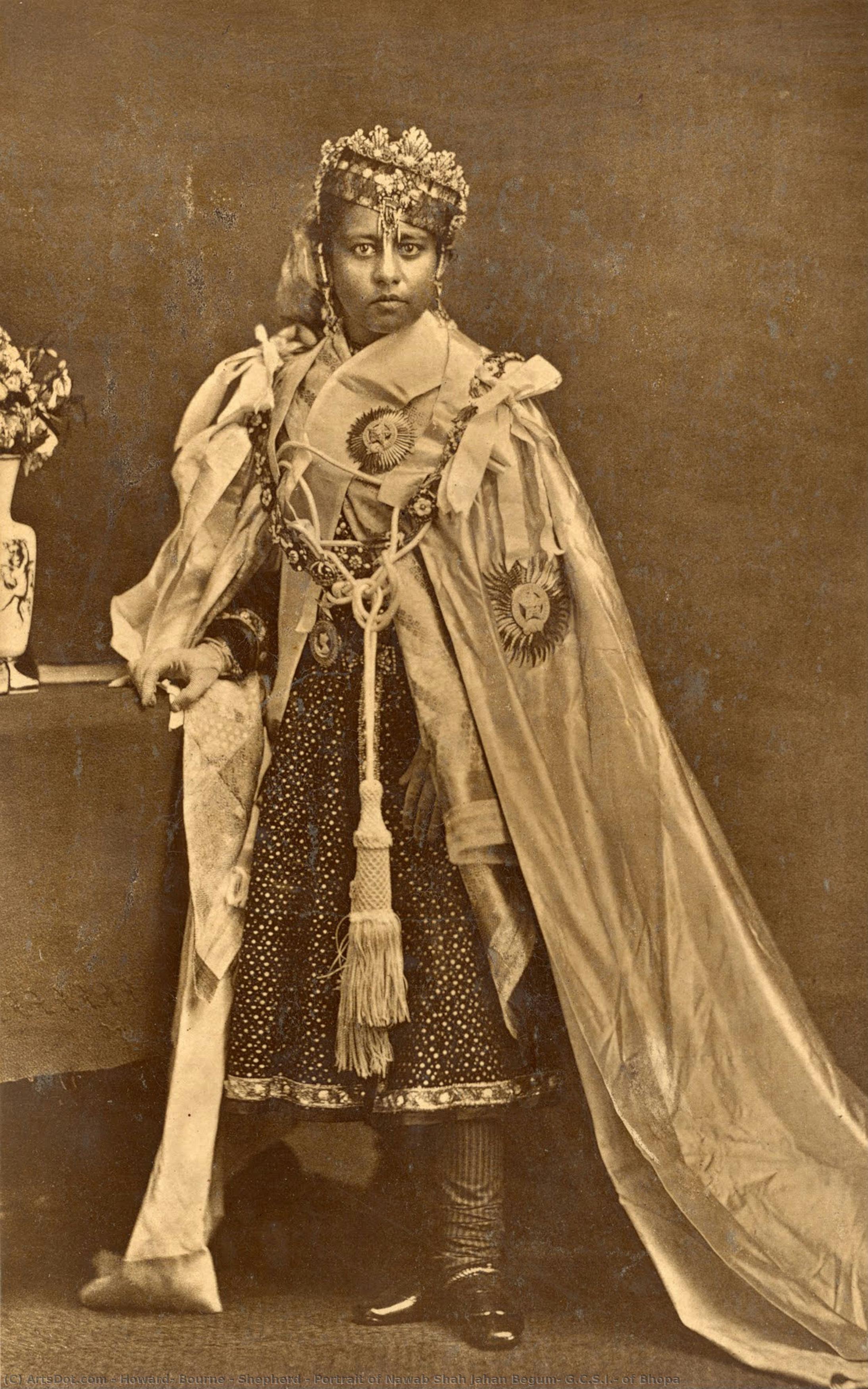
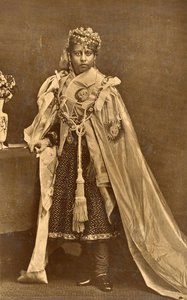
Portrait of Nawab Shah Jahan Begum, G.C.S.I., of Bhopa


 Read More
Giclée / Art Print
Museum-quality giclée or canvas print with fast production and flexible finish options. ( Buy Hand Made Painting Buy Image)




































Pick from our preset sizes that match the artwork's original proportions.

You may enter your own dimensions to fit a specific frame or space. If your selected size does not match the original image's proportions, we will either crop the artwork or extend the image with a mirrored or solid-fill edge. A digital mockup will be sent for your approval before production begins.
Please note that the on-screen preview does not reflect the actual cropping or extension. Only the mockup will accurately show the final composition.
While custom sizes are available, we recommend selecting a dimension from the predefined list to preserve the original proportions.
Worldwide Delivery () in 2 weeks instead of standard 4/5 weeks. (7 September)

Free Worldwide Express Shipping

High-Quality Linen Canvas

Full Shipping Insurance

Customs Tax Refund Guarantee

True Color Matching Guarantee

100-Day Return Policy (Defects Only)

100% Money-Back Guarantee

Bulk Discount Offer
 Glass option is only available in size under 110 CM

Portrait of Nawab Shah Jahan Begum, G.C.S.I., of Bhopa
Giclée / Art Print
Reproduction Size
-


Total Price
$ 63
Related Artworks



Artist Biography
The Visionaries of the Silver Lens: The Legacy of Howard, Bourne & Shepherd
In the golden, dust-moted era of the nineteenth century, few names resonated with as much prestige and historical weight as Howard, Bourne & Shepherd. More than a mere photographic studio, this institution served as the visual chronicler of an empire, capturing the soul of India through the meticulous application of light and chemistry. Established in 1863 in the serene hill station of Shimla, the studio was born from a confluence of Victorian ambition and scientific curiosity. At its heart were Samuel Bourne and Charles Shepherd, men whose partnership transformed photography from a nascent experimental medium into a powerful tool of documentation, art, and imperial narrative. Their work did not merely record faces and landscapes; it sculpted an enduring memory of a subcontinent in transition.
The genesis of their legendary status can be traced to the daring spirit of Samuel Bourne’s Himalayan expeditions. Between 1863 and 1866, Bourne ventured into the formidable heights of the mountains, leading massive logistical undertakings that included dozens of assistants to navigate the rugged terrain. These were not mere sightseeing trips but profound scientific endeavors aimed at documenting geological wonders and botanical rarities. The resulting images—masterful albumen silver prints—captured the breathtaking scale of the Himalayas with a clarity that stunned European audiences. When these works were showcased at the Paris Universal Exposition of 1867, they cemented Bourne’s reputation as an innovator who could translate the sublime grandeur of nature into a tangible, reproducible format.
A Tapestry of Portraiture and Landscape
As the studio evolved, it became a cornerstone of the photographic landscape in India, expanding its reach far beyond the mountain passes. With Charles Shepherd joining the fold to manage the intricate printing processes, the studio’s technical prowess reached new heights. The work of Howard, Bourne & Shepherd was characterized by an extraordinary versatility, seamlessly transitioning between the intimate and the monumental. They possessed a unique ability to navigate different photographic genres with equal mastery:
- Architectural Grandeur: Their lens traced the intricate details of mosques, tombs, and palaces, preserving the architectural heritage of Mughal and colonial India for posterity.
- Royal Portraiture: The studio became the preferred chronicler for Indian nobility and British officials alike, capturing the dignified presence of figures such as the Nawab Shah Jahan Begum of Bhopal.
- Topographical Documentation: Through their expansive landscape work, they provided the scientific community with essential visual data regarding the geography and sociology of South Asia.
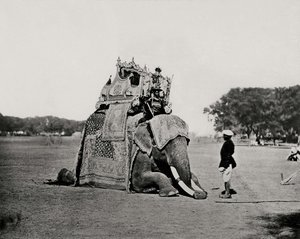
The aesthetic of their work often relied on the delicate interplay of light and shadow inherent in the albumen process. This technique allowed for a rich tonal range that breathed life into black-and-white imagery, lending a sense of permanence to fleeting moments. Whether it was the majestic movement of an elephant procession during a Viceroy's visit or the quiet stillness of a remote mountain valley, their photographs possessed a narrative depth that transcended simple documentation.
Historical Significance and an Enduring Archive
The historical significance of Howard, Bourne & Shepherd lies in their role as the primary visual architects of 19th-century Indian identity. Their images functioned as both travel souvenirs for the global elite and vital historical records for the subcontinent. Through their mail-order services and international agencies in London and Paris, they brought the vibrant, complex reality of India to the far reaches of the world. They captured a period of profound change, documenting the intersection of indigenous traditions and colonial influence with a precision that remains unsurpassed.
Despite the tragic loss of much of their physical archive during a devastating fire in 1991, the legacy of the studio remains indestructible. The surviving prints continue to serve as invaluable primary sources for historians, archaeologists, and art enthusiasts. Though the studio finally closed its doors in June 2016 after an unprecedented 176 years of continuous operation, the visual imprint left by Bourne and Shepherd persists. Their work remains a hauntingly beautiful window into a lost world, reminding us that through the lens of a camera, time can be momentarily suspended, allowing the past to speak vividly to the present.
howard, bourne & shepherd
1863 - 2016 , India
Quick Facts
- Artistic Movement Or Style: Photographic Realism
- Artists Who Influenced This Artist:
- Étienne Neurdein
- Louis-Antonin Neurdein
- Date Of Birth: 1863
- Full Name: Samuel Bourne & Charles Shepherd
- Nationality: British Indian
- Notable Artworks:
- His Eminence the Viceroy
- Portrait of Nawab Shah Jahan Begum, G.C.S.I., of Bhopa
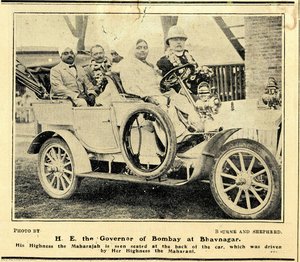
- H. E. the Governor of Bombay at Bhavnagar
- Place Of Birth: Kolkata, India