 Preview
 Send
Send Share
Share
 Details

 Download
 Similars
 X-Ray
X-Ray Diaporama
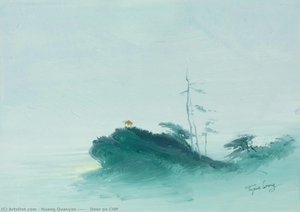
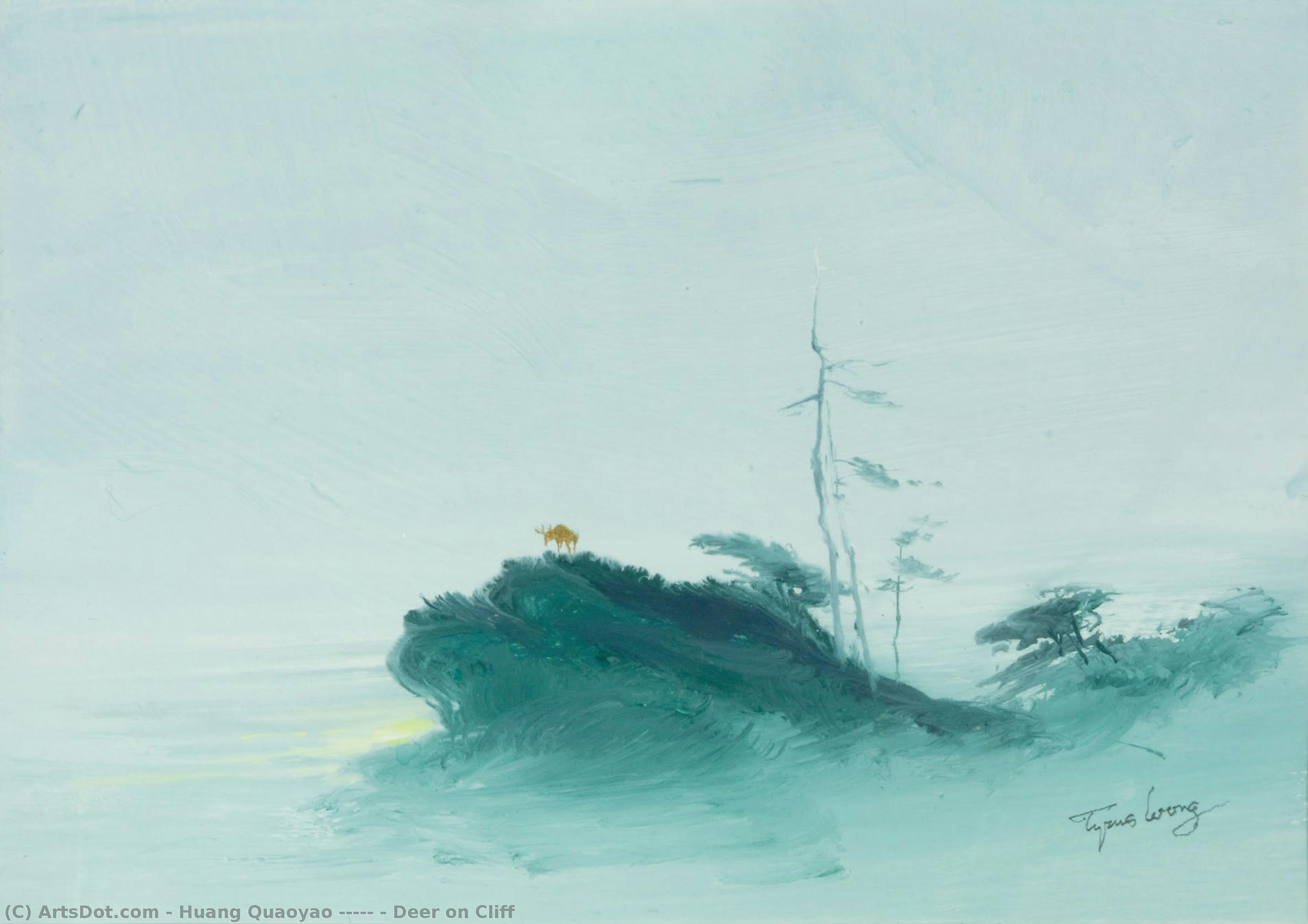
Deer on Cliff
 1960
1960 31.0 x 39.0 cm
 Hammer Museum
 Read More
Giclée / Art Print
Museum-quality giclée or canvas print with fast production and flexible finish options. ( Buy Hand Made Painting Buy Image)




































Pick from our preset sizes that match the artwork's original proportions.

You may enter your own dimensions to fit a specific frame or space. If your selected size does not match the original image's proportions, we will either crop the artwork or extend the image with a mirrored or solid-fill edge. A digital mockup will be sent for your approval before production begins.
Please note that the on-screen preview does not reflect the actual cropping or extension. Only the mockup will accurately show the final composition.
While custom sizes are available, we recommend selecting a dimension from the predefined list to preserve the original proportions.
Worldwide Delivery () in 2 weeks instead of standard 4/5 weeks. (24 August)

Free Worldwide Express Shipping

High-Quality Linen Canvas

Full Shipping Insurance

Customs Tax Refund Guarantee

True Color Matching Guarantee

60-Day Return Policy (Defects Only)

100% Money-Back Guarantee

Bulk Discount Offer
 Glass option is only available in size under 110 CM

Deer on Cliff
Giclée / Art Print
Reproduction Size
-


Total Price
$ 63
Related Artworks









Artist Biography
A Tapestry of Light and Shadow: The Journey of Tyrus Wong
Tyrus Wong, born Huang Qiyao, was an artist whose life story mirrored the very landscapes he so masterfully rendered—a delicate balance of profound depth and ethereal lightness. Born in 1910 in Taishan, Guangdong Province, his early years were shaped by the turbulent tides of a changing China. His arrival in the United States was marked by the harrowing experience of the Angel Island Immigration Station, a period of displacement that could have stifled a lesser spirit. Instead, it became the crucible for a unique artistic identity. Guided by the steady hand of his father, Wong embraced the ancient discipline of calligraphy. This early training, practiced on whatever scraps of paper he could find, instilled in him a lifelong reverence for the power of a single, deliberate stroke and the profound beauty found in simplicity and negative space. As he moved from the hardships of immigration to the vibrant artistic community of Los and Angeles, Wong’s vision began to expand. His studies at the Otis Art Institute allowed him to bridge the gap between his Eastern roots and Western modernism. While he drew inspiration from the bold experimentation of masters like Picasso and Matisse, his soul remained anchored in the serene, atmospheric aesthetics of the Song Dynasty landscapes. This synthesis of styles—the structural clarity of Western art meeting the misty, evocative spirit of Chinese ink wash painting—would become the hallmark of his greatest contributions to cinema and fine art.The Breath of the Forest: Innovation at Disney
The most enduring chapter of Wong’s legacy began in 1938 when he joined Walt Disney Productions. It was here that his unique aesthetic found its most iconic canvas. As the lead production illustrator for the 1942 masterpiece Bambi, Wong revolutionized the way animation could convey emotion and atmosphere. Rather than relying on heavy outlines or literal detail, he utilized soft, bleeding edges and a layered use of color to create a sense of depth and living breath within the forest. His work did not merely depict a setting; it captured the very essence of the woods—the way light filters through a canopy, the dampness of the earth, and the quiet, watchful stillness of nature. This approach was revolutionary, bringing a painterly, impressionistic quality to the medium of animation that had rarely been seen before. Through his sketches, the forest became a character in its own right, an atmospheric world that felt both tangible and dreamlike. Though his tenure at Disney was interrupted by labor disputes, the impact of his visual language remained indelible, forever altering the aesthetic possibilities of the animated form and cementing his place as a pioneer of production design.A Multifaceted Legacy of Form and Color
Beyond the silver screen, Wong’s artistic curiosity knew no bounds. His career was a continuous exploration of medium and texture, spanning roles as a muralist for the Works Progress Administration, a ceramicist, a lithographer, and even a designer of whimsical, colorful kites. He brought his signature touch to the commercial world as well, creating enchanting greeting cards for Hallmark, where his ability to evoke warmth and nostalgia could be felt by millions. His work in film design continued through decades of excellence, contributing to the visual landscapes of classics such as Rebel Without a Cause and Around the World in 80 Days. In his later years, Wong’s art returned to a more personal, joyful expression. The man who had captured the somber beauty of the forest now found delight in the vibrant, soaring shapes of kites, reflecting a spirit that remained undimmed by age. His life, spanning an incredible 106 years, was a testament to the resilience of the human spirit and the transformative power of cultural synthesis. Today, we remember Tyrus Wong not just as an animator or a painter, but as a master of atmosphere—an artist who taught us how to see the beauty in the mist, the light, and the quiet spaces between the lines.
huang quaoyao (黃齊耀)
1910 - 2016 , China
Quick Facts
- Artistic Movement Or Style: Oriental Illustration
- Artists Or Movements Influenced By This Artist:
- Disney Animation
- Sung Dynasty
- Artists Who Influenced This Artist:
- Pablo Picasso
- Henri Matisse
- Date Of Birth: October 25, 1910
- Date Of Death: December 30, 2016
- Full Name: Tyrus Wong
- Nationality: Chinese-American
- Notable Artworks:
- Deer on Cliff
- Qi Baishi
- Place Of Birth: Taishan, China