

 Send
Send Share
Share
 Details

 Download
 Similars
 Diaporama
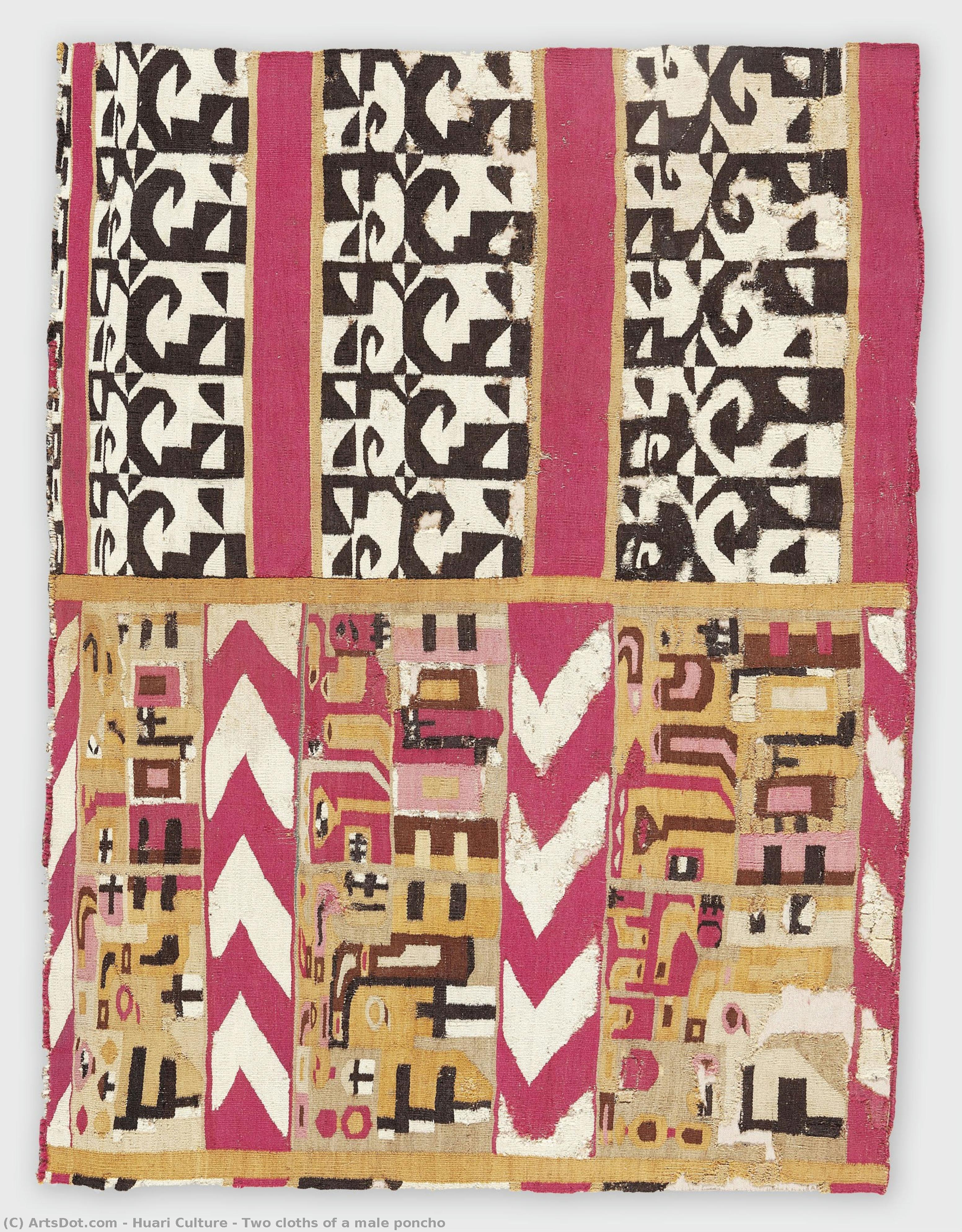
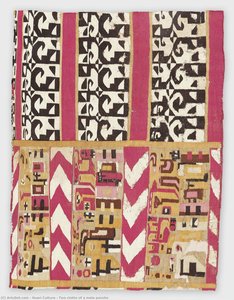
Two cloths of a male poncho


 Read More
Purchase a high-resolution, enhanced digital image, far superior to the online preview.
Each file is meticulously prepared by our in-house specialists using advanced tools and expert manual retouching. We ensure every image has exceptional clarity, precise color accuracy, and fine detail.
The final file is delivered via email within 72 hours, optimized for immediate use in professional, editorial, and print environments. This is the same quality trusted by top-tier design studios, publishers, and galleries.
Digital Image
Download a high-resolution file for personal display, printing, and creative projects. ( Buy Print Buy Hand Made Painting)
Included in Every Digital Image Order
Expert Digital Delivery, Guaranteed
When you choose ArtsDot.com, you're not just getting an image - you're receiving a professionally enhanced digital artwork, crafted with precision and backed by a satisfaction guarantee. Here's everything that comes with your order, automatically:

Fast Email Delivery
Your high-resolution digital image file will be emailed to you within 72 hours of ordering - ready for immediate use.

AI-Enhanced Digital File
Your artwork is professionally optimized using advanced AI tools and manual editing, ensuring maximum detail, clarity, and color accuracy.

Free Lifetime Re-Delivery
Accidentally deleted or lost your file? No worries - we'll resend it to you anytime, free of charge.

No Import Fees - Ever
Enjoy your artwork instantly with zero customs, duties, or delivery fees - digital downloads are always tax-free.

Color Accuracy Guarantee
We ensure your digital image reflects the original colors as closely as possible using professional tools and color management.

60-Day Satisfaction Guarantee
If you're not satisfied with your digital image, we'll revise it or refund 100% within 60 days - no questions asked.

100% Money-Back Guarantee
Not satisfied? Get a full refund within 60 days of receiving your digital file - no questions asked.

Bulk Order Discounts
Buy 3 images, save 10% - Buy 5, save 15% - Buy 10+, save 20%. Great for creative projects, galleries, and agencies.
A Tapestry of Time: The Intricate Legacy of Huari Textiles
To gaze upon the Two cloths of a male poncho is to embark on a sensory journey back to the heart of the Andean highlands during the Middle Horizon period. These fragments of textile art, dating to approximately 900 AD, serve as profound windows into the sophisticated Huari culture of ancient Peru. The viewer is immediately struck by the vibrant, enduring pigments that have defied the centuries, presenting a palette where soft pinks meet deep, earthy reds and stark blacks. This is not merely fabric; it is a masterclass in woven storytelling, where every thread serves as a pulse connecting the modern observer to a civilization that mastered the delicate balance between geometric precision and organic complexity.
< تجربَة The artistry lies in the breathtaking technical execution of the weavers. Through a meticulous process of interlacing fibers, likely derived from high-quality alpaca or cotton, the Huari artisans achieved a level of detail that remains challenging to replicate even with contemporary technology. One piece displays a rhythmic dance of black and white diamonds set against a rosy backdrop, creating a visual vibration that draws the eye into its mathematical depths. In contrast, the second cloth introduces a more layered narrative, weaving brown and red elements into a complex tapestry of motifs. This interplay of light and shadow within the weave demonstrates an advanced understanding of structural tension and color theory, making these pieces essential inspirations for those who appreciate the tactile richness of fine textile art.Symbolism and the Spirit of the Andes
Beyond their aesthetic splendor, these cloths are imbued with a deep symbolic language characteristic of the Wari empire. In Andean cosmology, textiles were far more than utilitarian garments; they were markers of social status, political allegiance, and spiritual connection. The geometric patterns—the diamonds, the stepped motifs, and the interlocking shapes—often represented the duality of the natural world: the earth and the sky, the masculine and the feminine, the known and the divine. For the collector or interior designer, these pieces offer a profound sense of groundedness and historical weight. They possess an inherent ability to transform a space, providing a focal point that evokes the rugged beauty of the Peruvian mountains and the disciplined elegance of an ancient imperial court.
Integrating a high-quality reproduction of such a masterpiece into a contemporary interior allows for a sophisticated dialogue between antiquity and modernity. Whether placed in a minimalist gallery setting or a richly textured study, the Two cloths of a male poncho brings an atmosphere of contemplative luxury. The rhythmic repetition of the patterns provides a soothing visual cadence, while the historical depth of the Huari craftsmanship offers a conversation piece of unparalleled significance. To own or display such artistry is to honor the enduring human impulse to create beauty from the simplest of materials, ensuring that the vibrant legacy of the Andes continues to illuminate our modern world.
Related Artworks


Artist Biography
A Tapestry of Time: The Eternal Legacy of the Huari Culture
To encounter the art of the Huari culture is to embark on a sensory journey back to the heart of the Andean highlands during the Middle Horizon period. Flourishing between 600 and 1000 AD, this remarkable civilization emerged from the complex interactions of diverse Andean groups, primarily the Huarpa and Nasca peoples. As the Wari empire expanded across the rugged landscapes of modern-day Peru, it did more than just establish political dominance; it wove a cohesive artistic language that reshaped the social and spiritual fabric of the Andes. Their legacy is not merely found in ruins, but in the vibrant, enduring pigments and intricate textures that have defied the centuries, presenting a palette where soft pinks meet deep, earthy reds and stark, commanding blacks.
The expansion of the Wari was marked by a decisive shift from decentralized governance to a sophisticated imperial control. Beginning in the Carahuarazo Valley, the empire dismantled existing settlements to erect centralized administrative centers like Jincamocco, eventually stretching its influence from Cajamarca to Lima. This era of growth brought about an unprecedented level of urban planning and architectural prowess. Wari cities were characterized by monumental rectangular buildings laid out in precise grid patterns, reflecting a disciplined approach to engineering. Notable sites such as Pikillaqta, often referred to as “Flea Town,” demonstrate how the Huari strategically positioned their settlements to control vital trade routes leading toward Lake Titicaca, effectively integrating disparate cultures into a singular, powerful political entity.
The Mastery of Thread and Symbol
Perhaps the most profound window into the Huari soul is found in their textile artistry, which represents a pinnacle of Andean weaving technique. These master weavers employed a sophisticated method using cotton warps and camelid wool wefts sourced from the high-altitude regions. Through the meticulous application of dyes derived from natural pigments, they created fabrics that served as much more than utilitarian garments; they were profound markers of social status, political allegiance, and spiritual connection. The resulting textiles are a masterclass in woven storytelling, where every thread serves as a pulse connecting the modern observer to an ancient cosmological belief system.
The visual language of Wari art is deeply imbued with symbolic meaning, often characterized by:
- Geometric Precision: The use of diamonds, stepped motifs, and interlocking shapes that reflect the duality of the natural world, such as the balance between earth and sky.
- Stylized Iconography: Representations of animals, plants, and human figures that blend organic complexity with a rhythmic, almost abstract repetition.
- Cosmological Duality: Artistic motifs that evoke the tension and harmony between masculine and feminine, or the known world and the divine.
Historical Significance and Enduring Influence
The historical significance of the Huari culture lies in its role as a pioneer of Andean artistry and imperial organization. By introducing advanced agricultural techniques, such as terracing, they transformed the landscape from a reliance on tubers to a more diverse production of maize, supporting a growing population and a complex social hierarchy. Their ability to adapt existing structures and rebuild ancient temples allowed them to leave an indelible mark on the geography of Peru. While the empire eventually faded around 1000 AD, the artistic and structural foundations they laid provided a blueprint for subsequent civilizations, most notably the Inca.
Today, the works of the Huari culture continue to inspire awe among scholars and art enthusiasts alike. For the modern collector or designer, integrating the essence of these ancient masterpieces—whether through the study of their geometric patterns or the appreciation of their earthy, grounded tones—offers a sophisticated dialogue between antiquity and modernity. The rhythmic repetition of their patterns provides a soothing visual experience, while their historical weight brings an atmosphere of contemplative luxury to any space, reminding us of a civilization that mastered the delicate balance between imperial power and exquisite, delicate beauty.
huari culture
Peru
Quick Facts
- Artistic Movement Or Style: Middle Horizon Art
- Full Name: Huari Culture
- Nationality: Andean
- Notable Artworks: ['Two cloths of a male poncho']
- Place Of Birth: Peru

