 Preview
 Send
Send Share
Share
 Details

 Download
 Similars
 X-Ray
X-Ray Diaporama
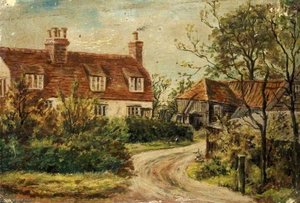
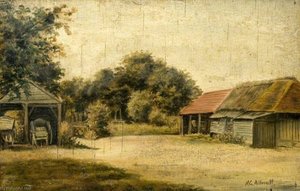
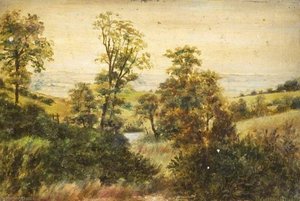
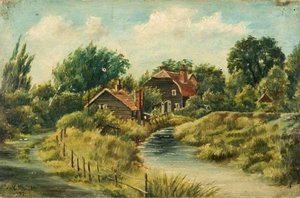
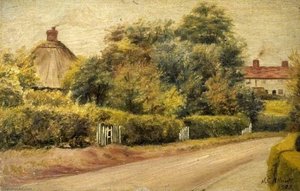
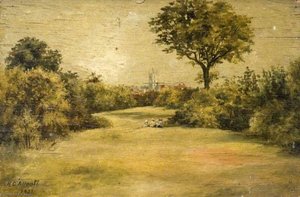
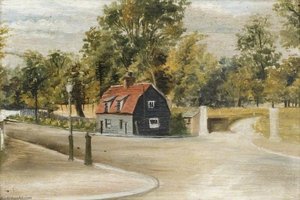
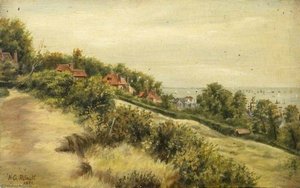
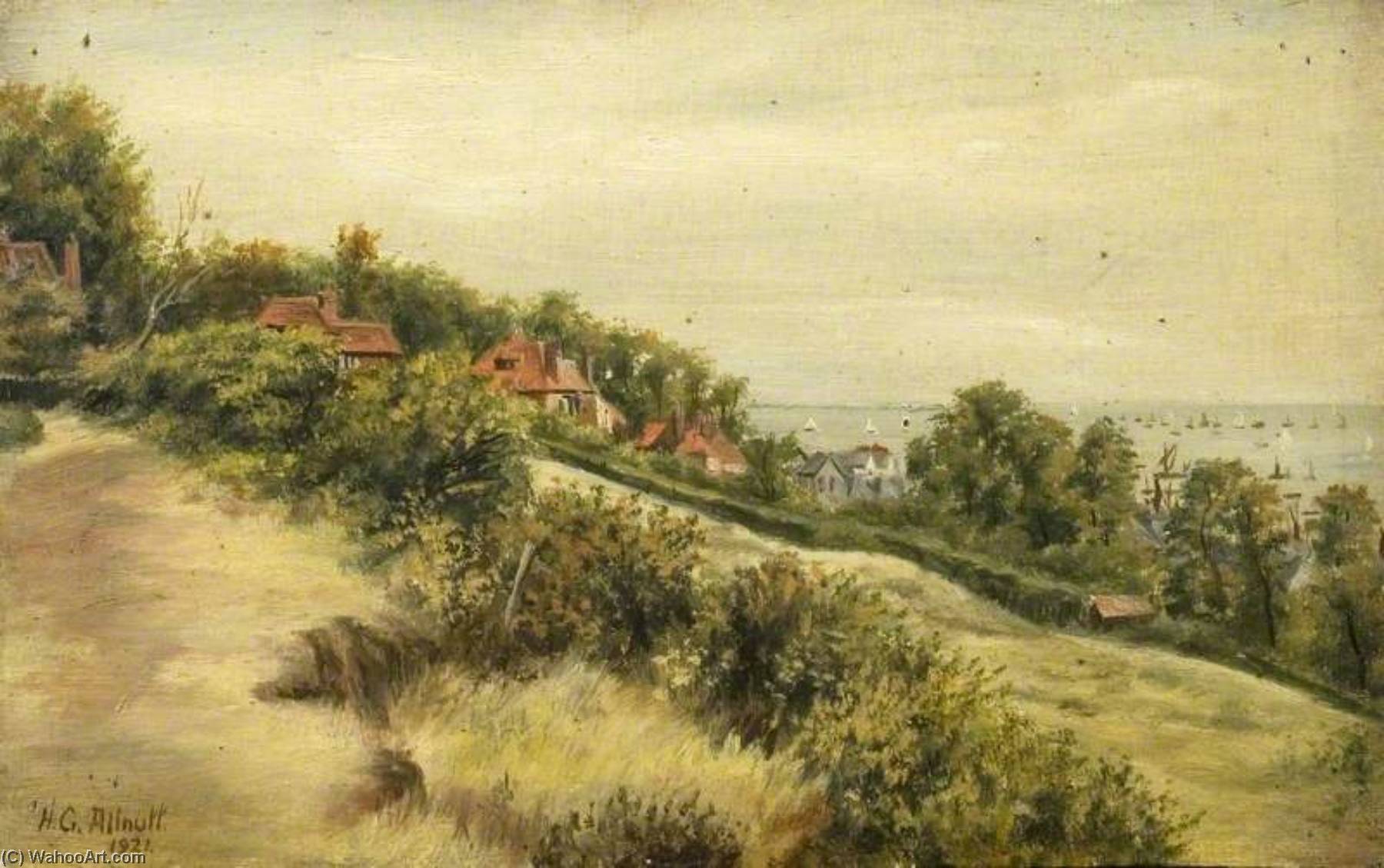
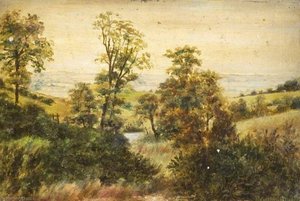
Billet Lane, Leigh, from Belton Hills
 Impressionism
 1921
1921 15.0 x 21.0 cm
 Read More
Giclée / Art Print
Museum-quality giclée or canvas print with fast production and flexible finish options. ( Buy Hand Made Painting Buy Image)




































Pick from our preset sizes that match the artwork's original proportions.

You may enter your own dimensions to fit a specific frame or space. If your selected size does not match the original image's proportions, we will either crop the artwork or extend the image with a mirrored or solid-fill edge. A digital mockup will be sent for your approval before production begins.
Please note that the on-screen preview does not reflect the actual cropping or extension. Only the mockup will accurately show the final composition.
While custom sizes are available, we recommend selecting a dimension from the predefined list to preserve the original proportions.
Worldwide Delivery () in 2 weeks instead of standard 4/5 weeks. (27 August)

Free Worldwide Express Shipping

High-Quality Linen Canvas

Full Shipping Insurance

Customs Tax Refund Guarantee

True Color Matching Guarantee

60-Day Return Policy (Defects Only)

100% Money-Back Guarantee

Bulk Discount Offer
 Glass option is only available in size under 110 CM

Billet Lane, Leigh, from Belton Hills
Giclée / Art Print
Reproduction Size
-


Total Price
$ 63
Related Artworks
Artist Biography
The Pastoral Vision of Hubert George Allnutt
Born in 1886 amidst the historic landscape of Chelmsford, Essex, Hubert George Allnutt emerged as a painter whose soul was deeply entwined with the English countryside. His life’s work serves as a luminous window into a bygone era of British tranquility, capturing the quiet dignity of village life and the shifting moods of the natural world. From his early years, nurtured by a father who recognized and encouraged his burgeoning talent, Allnutt developed a keen eye for the subtle nuances of light and texture that would eventually define his reputation as a master of the Essex landscape.
Allnutt’s formal artistic education at the prestigious Slade School of Fine Art in London between 1906 and 1908 provided the technical foundation upon which his unique style was built. During these formative years, he immersed himself in the revolutionary techniques of the Impressionist masters, drawing profound inspiration from the works of Claude Monet and Camille Pissarro. This early exposure instilled in him a lifelong fascination with the ephemeral qualities of atmosphere—the way a morning mist clings to a hedgerow or how the late afternoon sun gilds a rural path. His ability to translate these fleeting moments onto canvas allowed him to bridge the gap between the spontaneous energy of Impressionism and a more structured, classical approach to landscape painting.
A Legacy Carved in the Essex Soil
As his career matured, Allnutt’s focus narrowed toward the familiar terrains of his home, particularly the areas surrounding Eastwoodbury Lane in Southend-on-Sea. He became a chronicler of the Essex countryside, finding profound beauty in the mundane and the pastoral. His paintings of villages such as Rayleigh and Maldon are more than mere topographical records; they are emotive studies of peace and permanence. Through his meticulous attention to architectural details, winding lanes, and the lush greenery of local hedgerows, he created a sense of place that feels both intimate and timeless.
The evolution of his technique saw him move toward a style that blended his Impressionistic roots with the grander, more structured sensibilities reminiscent of the Hudson River School. This transition allowed him to imbue his landscapes with a certain monumental quality, where even a small village scene could possess a sense of epic serenity. His works from the early 1920s, such as "Billet Lane, Leigh"* and "Eastwood Lane, Eastwood," demonstrate this remarkable mastery of tonal harmony and textured brushwork, evoking a palpable sense of the English pastoral idyll.
Artistic Achievements and Enduring Significance
Throughout his life, Allnutt’s dedication to his craft resulted in a body of work that remains highly regarded by collectors of British landscape art. His ability to evoke emotion through color and light has ensured that his paintings continue to resonate with contemporary viewers seeking a connection to the natural world. Some of his most notable contributions to the art historical record include:
- Mastery of Light: His capacity to capture the specific, atmospheric qualities of the Essex coast and inland valleys.
- Architectural Precision: The detailed rendering of rural structures that provides a sense of historical continuity.
- Stylistic Synthesis: The successful marriage of French Impressionist light with the structured, romanticized landscape traditions of the 19th century.
Though he passed away in 1960, the legacy of Hubert George Allnutt persists through his vibrant canvases. He remains a significant figure for those studying the development of early 20th-century British landscape painting, representing a period when artists sought to find profound meaning and lasting beauty within the familiar boundaries of their own landscapes.
hubert george allnutt
1886 - 1960
Quick Facts
- Artistic Movement Or Style: Rural Impressionism
- Artists Or Movements Influenced By This Artist: ['Hudson River School']
- Artists Who Influenced This Artist: ['George Daniell']
- Date Of Birth: 1886
- Date Of Death: 1960
- Full Name: Hubert George Allnutt
- Nationality: British
- Notable Artworks:
- Landscape
- Billet Lane, Leigh
- Place Of Birth: Essex, England
Related Articles

Impressionistic Landscapes: 10 Masterpieces That Changed Art & Decor
Journey into the heart of Impressionism! Explore 10 masterpieces by Monet, Renoir & Degas that revolutionized landscape art. Discover their stories, techniques & find museum-quality reproductions to elevate your home decor on ArtsDot.com.

Impressionist Landscapes: 10 Masterpieces for Your Home | ArtsDot
Journey through 10 iconic Impressionist landscapes by Monet, Renoir & Degas. Explore the history, techniques & emotions behind these masterpieces. Find museum-quality reproductions for your home at ArtsDot.com – where art comes to life! Discover all masterpieces on ArtsDot.com

Evocations of Place: A Historical Journey Through Landscape Art
Explore the rich history of landscape art with ArtsDot. Discover renowned artists, movements like Impressionism & Romanticism, and expert guidance for collecting timeless pieces. Find your perfect serene escape today!
Serene Fishing Village Art: Bring Coastal Charm and Seaside Magic to Your Home
Transform your home with the serene beauty of fishing village art. Discover exquisite hand-painted Impressionist seascapes and coastal landscapes designed to bring seaside magic and timeless charm to your interior decor. Explore our curated collection of masterwork reproductions today.

Romantic Landscapes: 10 Masterpieces for Your Home | ArtsDot
Journey through 10 Romantic landscape masterpieces by Friedrich, Turner & Cole. Explore emotional art, sublime nature scenes & iconic 19th-century paintings. Find museum-quality reproductions for your home at ArtsDot.com – discover the full collection online!