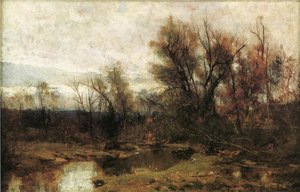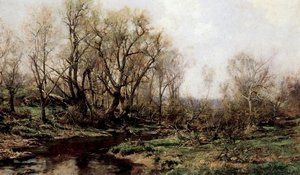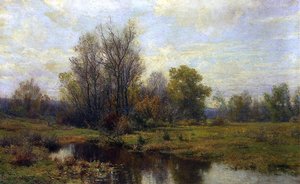
 Preview
 Send
Send Share
Share
 Details

 Download
 Similars
 X-Ray
X-Ray Diaporama
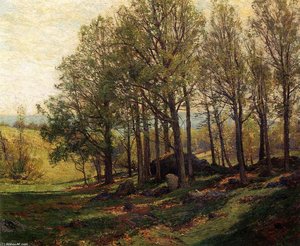
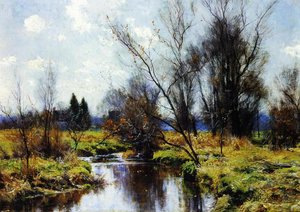
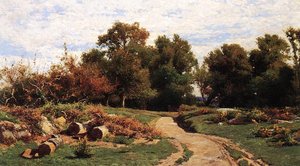
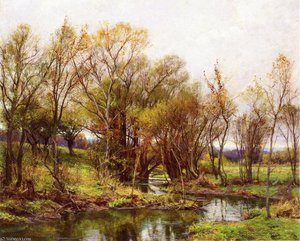
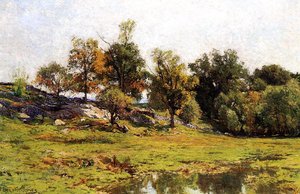
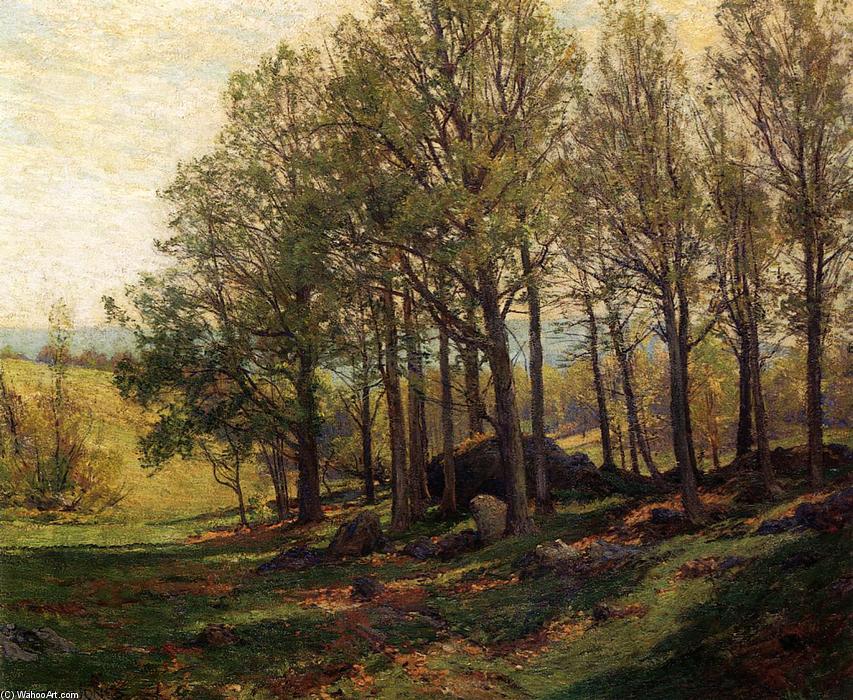
Maples in Spring
 Read More
Giclée / Art Print
Museum-quality giclée or canvas print with fast production and flexible finish options. ( Buy Hand Made Painting Buy Image)




































Pick from our preset sizes that match the artwork's original proportions.

You may enter your own dimensions to fit a specific frame or space. If your selected size does not match the original image's proportions, we will either crop the artwork or extend the image with a mirrored or solid-fill edge. A digital mockup will be sent for your approval before production begins.
Please note that the on-screen preview does not reflect the actual cropping or extension. Only the mockup will accurately show the final composition.
While custom sizes are available, we recommend selecting a dimension from the predefined list to preserve the original proportions.
Worldwide Delivery () in 2 weeks instead of standard 4/5 weeks. (18 August)

Free Worldwide Express Shipping

High-Quality Linen Canvas

Full Shipping Insurance

Customs Tax Refund Guarantee

True Color Matching Guarantee

60-Day Return Policy (Defects Only)

100% Money-Back Guarantee

Bulk Discount Offer
 Glass option is only available in size under 110 CM

Maples in Spring
Giclée / Art Print
Reproduction Size
-


Total Price
$ 63
Related Artworks
Artist Biography
The Serene Vision of Hugh Bolton Jones
In the golden age of American landscape painting, few artists captured the quiet respiration of the countryside with as much grace and sincerity as Hugh Bolton Jones. Born in Baltimore, Maryland, in 1848, Jones emerged from a lineage of artistic talent, sharing a deep creative bond with his brother, Francis Coates Jones. His journey began within the hallowed halls of the Maryland Institute, where he first learned to translate the physical world onto canvas under the watchful eye of Horace Robbins. This early foundation instilled in him a meticulous devotion to detail that would become the hallmark of his career, allowing him to render the subtle textures of foliage and the shimmering surfaces of water with an almost poetic precision.
The trajectory of Jones’s life was profoundly shaped by his wanderlust and his exposure to the great artistic movements of Europe. Following his initial studies, he embarked on a transformative four-year journey across the continent, beginning in 1876. During this period, he immersed himself in the light of Spain, England, Italy, and Morocco, even finding inspiration within the celebrated artists' colony at Pont Aven in Brittany. These travels did more than expand his geographical repertoire; they introduced him to a broader aesthetic vocabulary. While his roots remained firmly planted in the American tradition, his time abroad allowed him to absorb the atmospheric nuances that would later define his mature style.
A Synthesis of Grandeur and Light
Upon returning to the United States and settling in New York in 1881, Jones began to weave together the disparate threads of his international experience. His work represents a masterful synthesis of two powerful, yet distinct, artistic currents: the monumental grandeur of the Hudson River School and the ephemeral, light-drenched sensibilities of Impressionism. From masters like Frederic Edwin Church, he inherited an appreciation for the dramatic scale and compositional strength found in the American wilderness. Yet, as his career progressed, Jones increasingly embraced the broken color and spontaneous brushwork characteristic of the Impressionists, seeking to capture the fleeting effects of sunlight as it dances across a meadow or filters through a canopy of trees.
This stylistic evolution resulted in landscapes that felt both timeless and immediate. His paintings often feature:
- Tranquil Rural Scenes: Idyllic depictions of the Eastern United States, ranging from the rolling hills of New England to the flat, fertile meadows of New Jersey.
- Atmospheric Depth: A sophisticated use of light and shadow to create a sense of breathing space within the composition.
- Naturalistic Detail: An unwavering commitment to the realistic rendering of rocks, shrubs, and the delicate gradations of seasonal color.
Legacy and Enduring Presence
Throughout his prolific career, Jones was a consistent and respected presence in the American art world. His debut at the National Academy of Design in 1874 set the stage for decades of regular participation in their annual exhibitions, and his election as an academician in 1883 solidified his professional standing. Though the later years of his life saw him experimenting with more radical palettes that occasionally challenged the traditional tastes of his era, his dedication to the essence of the landscape remained unshakable.
Today, the works of Hugh Bolton Jones serve as a nostalgic window into a vanished era of pastoral peace. His ability to depict nature—often devoid of human figures—allows the viewer to experience a profound sense of solitude and reflection. His paintings are not merely records of places, but emotional landscapes that celebrate the enduring beauty of the natural world. This legacy is preserved in prestigious institutions such as the Smithsonian American Art Museum and the Metropolitan Museum of Art, ensuring that his tranquil visions continue to inspire awe and contemplation in generations to come.
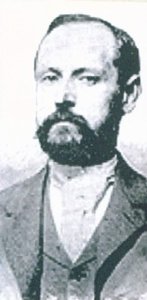
hugh bolton jones
1848 - 1927
Quick Facts
- Artistic Movement Or Style: Hudson River School & Impressionism
- Artists Or Movements Influenced By This Artist: ['Impressionism']
- Artists Who Influenced This Artist:
- Frederic Edwin Church
- Horace Robbins
- Date Of Birth: 1848
- Date Of Death: 1927
- Full Name: Hugh Bolton Jones
- Nationality: American
- Notable Artworks:
- Inlet at Low Tide
- A Cloudy Day
- The Road to the Village
- Place Of Birth: Baltimore, Maryland