Preview
 Send
Send Share
Share
 Details

 Download
 Similars
 X-Ray
X-Ray Diaporama
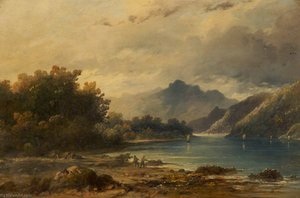
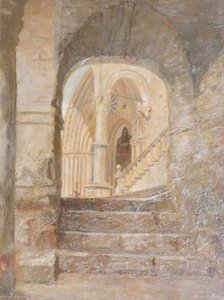
The Basilica of St Francis, Lower Entrance of the Church at Assisi
 1886
1886 34.0 x 25.0 cm
 Read More
Hand Made Oil Reproduction
Hand-painted oil on canvas in your size and frame, made to order by our artists. ( Buy Print Buy Image)




































Pick from our preset sizes that match the artwork's original proportions.

You may enter your own dimensions to fit a specific frame or space. If your selected size does not match the original image's proportions, we will either crop the artwork or extend the painting with additional hand-painted elements. A digital mockup will be sent for your approval before production begins.
Please note that the on-screen preview does not reflect the actual cropping or extension. Only the mockup will accurately show the final composition.
While custom sizes are available, we recommend selecting a dimension from the predefined list to preserve the original proportions.
After order, ArtsDot.com team will email client for instructions and provide a mockup preview
Worldwide Delivery () in 3/4 weeks instead of standard 5 weeks. (16 August). No compromise on quality.

Free Worldwide Express Shipping

High-Quality Linen Canvas

Full Shipping Insurance

Customs Tax Refund Guarantee

True Color Matching Guarantee

60-Day Return Policy (Defects Only)

100% Money-Back Guarantee

Bulk Discount Offer
 Glass option is only available in size under 110 CM

The Basilica of St Francis, Lower Entrance of the Church at Assisi
Reproduction Medium
Reproduction Size
-


Total Price
$ 263
Related Artworks
Artist Biography
Hugh De Twenebrokes Glazebrook: A Portraitist of Elegance and Irish Heritage
Hugh De Twenebrokes Glazebrook (1855–1937) stands as a significant, yet often understated, figure in the late 19th and early 20th-century British art scene. His legacy isn’t one of flamboyant innovation, but rather a quiet mastery of portraiture – a refined ability to capture not just likeness, but also the very essence and social standing of his subjects. Born in Hampstead, London, Glazebrook's artistic journey was shaped by formal training at prestigious institutions like Dulwich College and the South Kensington Art School, followed by invaluable experiences studying in the heart of Parisian art circles under the tutelage of Léon Bonnat. These formative years instilled within him a deep appreciation for classical technique combined with an understanding of contemporary aesthetic sensibilities – a crucial blend that would define his distinctive style.
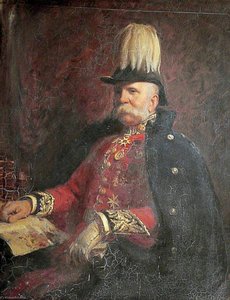
Glazebrook’s early career was marked by consistent success at prominent exhibitions, including those held at the Grosvenor Gallery and the Royal Academy. He quickly established himself as a reliable and respected portraitist, attracting commissions from notable figures of British society – politicians, industrialists, and members of the aristocracy. His work wasn't merely decorative; it offered a glimpse into the lives and reputations of individuals who shaped their era. A particularly noteworthy example is his 1890 painting, *C’est l’Empereur*, which garnered significant acclaim at both the Royal Academy and the Société des Artistes Français in Paris, earning him a medal at the International Exhibition of 1900. This success underscored Glazebrook's ability to capture not just physical appearance but also an aura of dignity and authority – qualities highly valued in portraiture during that period.
The Influence of Parisian Style and Irish Roots
Glazebrook’s artistic development was profoundly influenced by his time in Paris. The city’s vibrant art scene, with its emphasis on realism, meticulous detail, and a focus on capturing the nuances of human expression, provided him with invaluable experience. He absorbed techniques from masters like Bonnat, learning to render fabrics with remarkable accuracy, to subtly convey emotion through gesture and pose, and to create a sense of depth and atmosphere within his paintings. However, Glazebrook never fully abandoned his British roots. His portraits often reflect the social conventions and values of Victorian England, while simultaneously incorporating elements of Parisian elegance and sophistication.
Interestingly, Glazebrook’s heritage is deeply intertwined with Ireland. He was born into a family with strong ties to County Cork, and this connection profoundly shaped his artistic vision. His paintings frequently evoke the landscapes and traditions of Ireland – rolling hills, dramatic coastlines, and scenes of rural life. While he primarily worked in London, his Irish background infused his work with a subtle sense of melancholy and nostalgia, contributing to the evocative quality of his landscapes.
Notable Works and Artistic Techniques
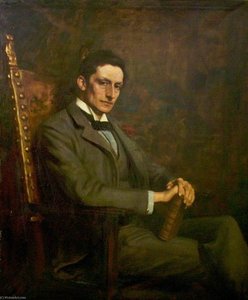
Glazebrook’s oeuvre is characterized by a remarkable consistency in style and technique. He favored oil paints, employing a meticulous layering process to build up rich colors and textures. His brushwork was generally smooth and controlled, creating a sense of refinement and elegance. He paid particular attention to detail, meticulously rendering fabrics, jewelry, and other accessories – elements that often served to convey the social status and wealth of his subjects.
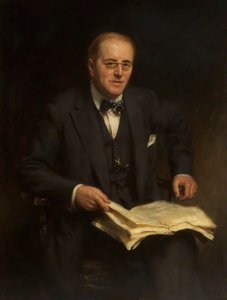
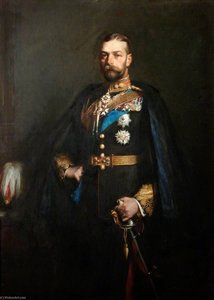
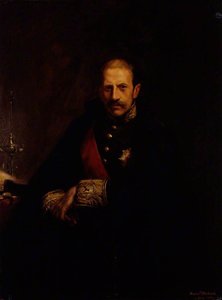
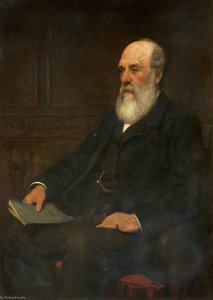
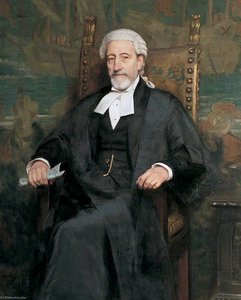
Among his most celebrated works are portraits of prominent figures such as Alfred Milner, now housed in the National Portrait Gallery, and depictions of members of the British aristocracy. His ability to capture the personalities of his sitters – their intelligence, charm, and social grace – is a testament to his artistic skill and keen observational abilities. Beyond portraiture, Glazebrook occasionally produced genre scenes, often depicting domestic interiors or rural landscapes, further demonstrating his versatility as an artist.
Legacy and Historical Significance
Hugh De Twenebrokes Glazebrook’s contribution to British art is often overshadowed by the more flamboyant figures of the late 19th and early 20th centuries. However, his quiet mastery of portraiture – his ability to capture not just likeness but also character and social standing – has secured his place as a significant artist of his time. His work reflects the values and sensibilities of Victorian England, while simultaneously incorporating elements of Parisian elegance and Irish heritage.
Glazebrook’s paintings continue to be exhibited in prestigious collections around the world, including the National Gallery of Canada and the Royal Academy. His legacy is a reminder that true artistic excellence often lies not in grand gestures or revolutionary innovations, but rather in the quiet dedication to craft and the ability to capture the essence of human experience.
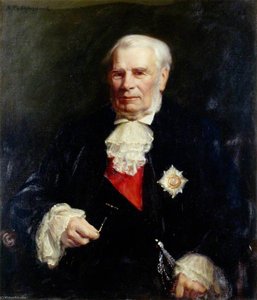
hugh de twenebrokes glazebrook
1870 - 1935
Quick Facts
- Artistic Movement Or Style: Portraiture
- Artists Or Movements Influenced By This Artist:
- Francis Bacon studio
- Harry Clarke stained glas
- Artists Who Influenced This Artist:
- Edward Poynter
- Léon Bonnat
- Date Of Birth: 1855
- Date Of Death: 1937
- Full Name: Hugh De Twenebrokes Glazebrook
- Nationality: British
- Notable Artworks:
- C'est l'Empereur
- Alfred Milner
- Place Of Birth: Hampstead, London