 Preview
 Send
Send Share
Share
 Details

 Download
 Similars
 X-Ray
X-Ray Diaporama
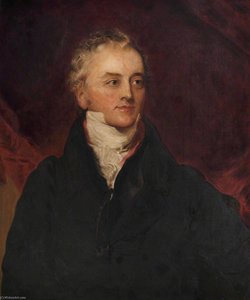
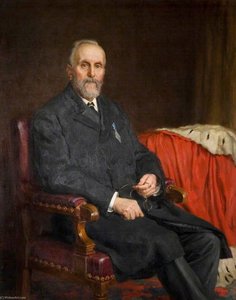
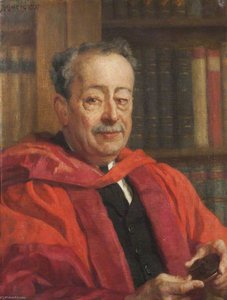
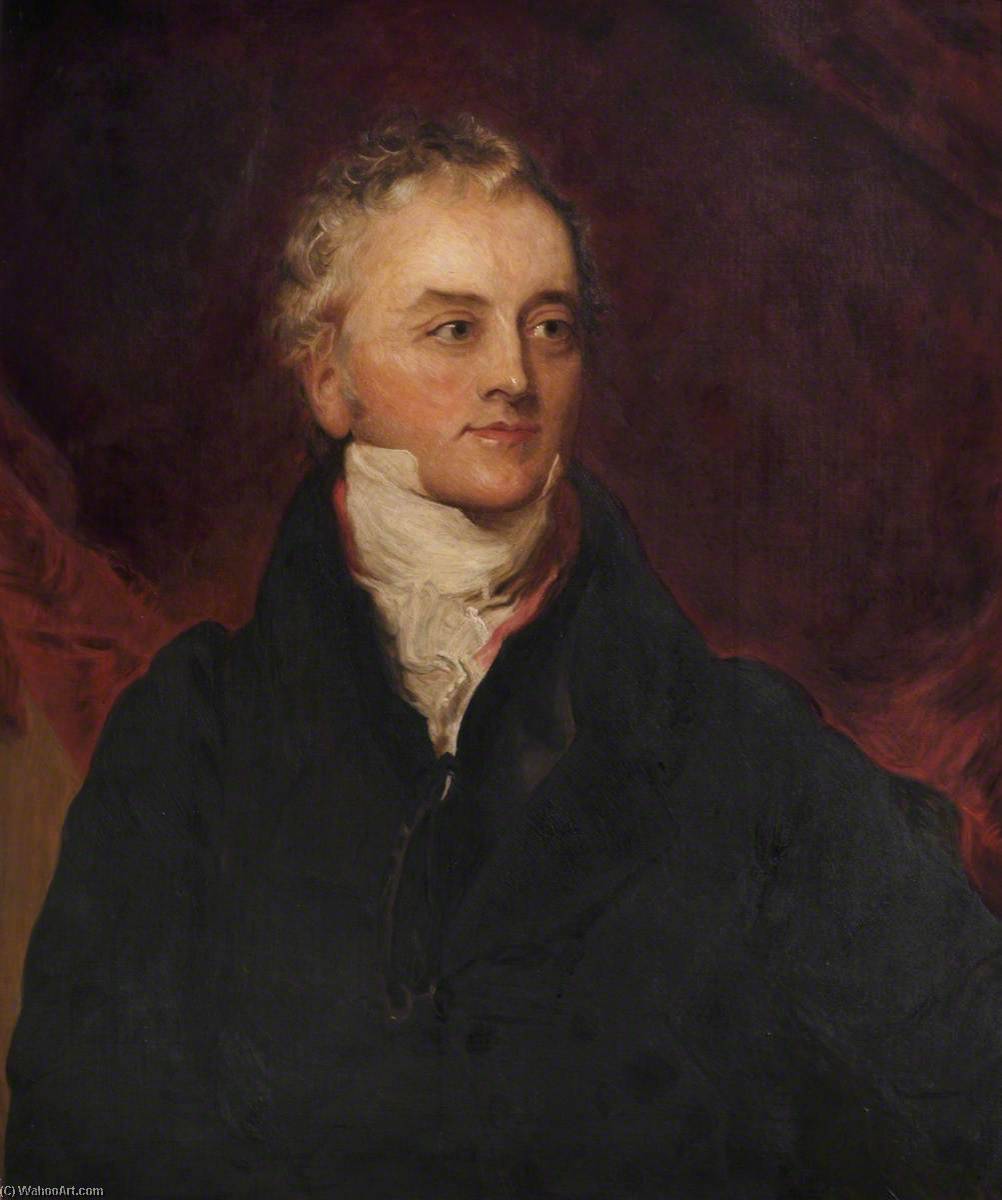
Thomas Young (1773–1829) (copy after Thomas Lawrence)
 1922
1922 74.0 x 63.0 cm
 The Royal Institution
 Read More
Giclée / Art Print
Museum-quality giclée or canvas print with fast production and flexible finish options. ( Buy Hand Made Painting Buy Image)




































Pick from our preset sizes that match the artwork's original proportions.

You may enter your own dimensions to fit a specific frame or space. If your selected size does not match the original image's proportions, we will either crop the artwork or extend the image with a mirrored or solid-fill edge. A digital mockup will be sent for your approval before production begins.
Please note that the on-screen preview does not reflect the actual cropping or extension. Only the mockup will accurately show the final composition.
While custom sizes are available, we recommend selecting a dimension from the predefined list to preserve the original proportions.
Worldwide Delivery () in 2 weeks instead of standard 4/5 weeks. (17 August)

Free Worldwide Express Shipping

High-Quality Linen Canvas

Full Shipping Insurance

Customs Tax Refund Guarantee

True Color Matching Guarantee

60-Day Return Policy (Defects Only)

100% Money-Back Guarantee

Bulk Discount Offer
 Glass option is only available in size under 110 CM

Thomas Young (1773–1829) (copy after Thomas Lawrence)
Giclée / Art Print
Reproduction Size
-


Total Price
$ 63
Related Artworks
Artist Biography
A Legacy of Light and Lineage
The story of Hugh Goldwin Rivière is one deeply rooted in the traditions of British excellence and a profound ancestral connection to the arts. Born in Bromley, Kent, Rivière carried within him the spirit of his Huguenot ancestors, whose flight from persecution in France had long ago instilled a sense of meticulous integrity and devotion to craft. This dedication was perhaps most visibly manifested in his father, Briton Rivière, a celebrated master of animal painting. Growing up under the watchful eye of such a progenitor, Hugh did not merely learn to paint; he learned to observe the world with a reverence for the natural order, absorbing the techniques of precise anatomical detail and expressive brushwork that would become the bedrock of his own unique vision.
His formal education at the Royal Academy Schools in London provided the technical scaffolding for his burgeoning talent. It was here that he mastered the rigorous discipline of draughtsmanship and the delicate art of tonal gradation, learning how to manipulate pigment to suggest the weight of fabric or the softness of skin. As his career progressed, Rivière moved beyond the mere imitation of life toward a more poetic interpretation of reality, blending the sharp clarity of realism with an ethereal, almost dreamlike quality that resonated with the sensibilities of the late Victorian and Edwardian eras.
The Pre-Raphaelite Influence and Technical Mastery
While his training was rooted in academic tradition, Rivière’s soul was deeply stirred by the Pre-Raphaelite movement. From this influential group, he adopted a fascination with symbolic representation and a commitment to capturing the subtle interplay of light and shadow. His canvases are rarely static; instead, they seem to breathe through a masterful command of atmosphere. He possessed a rare ability to bathe his subjects in soft, diffused illumination, creating scenes that evoke a sense of contemplative serenity and timelessness.
This technical prowess allowed him to excel across diverse genres:
- Portraiture: As a prominent member of the Royal Society of Portrait Painters, he captured the essence of the era's notable figures, using muted palettes and nuanced textures to convey character and social standing.
- Historical and Literary Scenes: He frequently turned his gaze toward the past, recreating historical moments and literary narratives with a level of detail that felt both authentic and mythic.
- Animal and Natural Studies: Drawing from his father's influence, he maintained a keen eye for the natural world, rendering textures and surfaces with remarkable accuracy.
Historical Significance and Enduring Impression
Throughout a prolific career that spanned several decades, Rivière produced an immense body of work, exceeding 300 paintings and prints. His ability to navigate the shifting tides of art history—moving from the rigid structures of the academy toward more evocative, atmospheric styles—ensured his relevance in a changing cultural landscape. His portraits, such as the exquisite study of Sir Squire Bancroft, serve as windows into the social fabric of his time, capturing the dignity and quiet elegance of the period.
Today, the works of Hugh Goldwin Rivière continue to captivate collectors and historians alike. His presence in prestigious institutions, such as The Hugh Lane Gallery, underscores his importance not just as a skilled technician, but as an artist who could bridge the gap between the tangible world and the realm of poetic imagination. He remains a vital figure for anyone seeking to understand the evolution of British painting at the turn of the century, leaving behind a legacy defined by artistic integrity, luminous light, and an unwavering devotion to beauty.
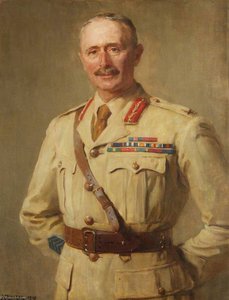
hugh goldwin riviere
1882 - 1958
Quick Facts
- Artistic Movement Or Style: Pre-Raphaelite
- Artists Or Movements Influenced By This Artist: ['Victorian Art']
- Artists Who Influenced This Artist: ['Briton Rivière']
- Date Of Birth: 1869
- Date Of Death: 1956
- Full Name: Hugh Goldwin Rivière
- Nationality: British
- Notable Artworks:
- Portrait of a Chairman of Gloucestershire County Council
- Sir Alfred Fernandez Yarrow, 1st Bt
- Place Of Birth: Bromley, Kent