 Preview
 Send
Send Share
Share
 Details

 Download
 Similars
 X-Ray
X-Ray Diaporama
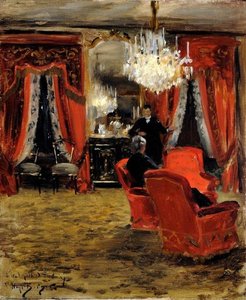
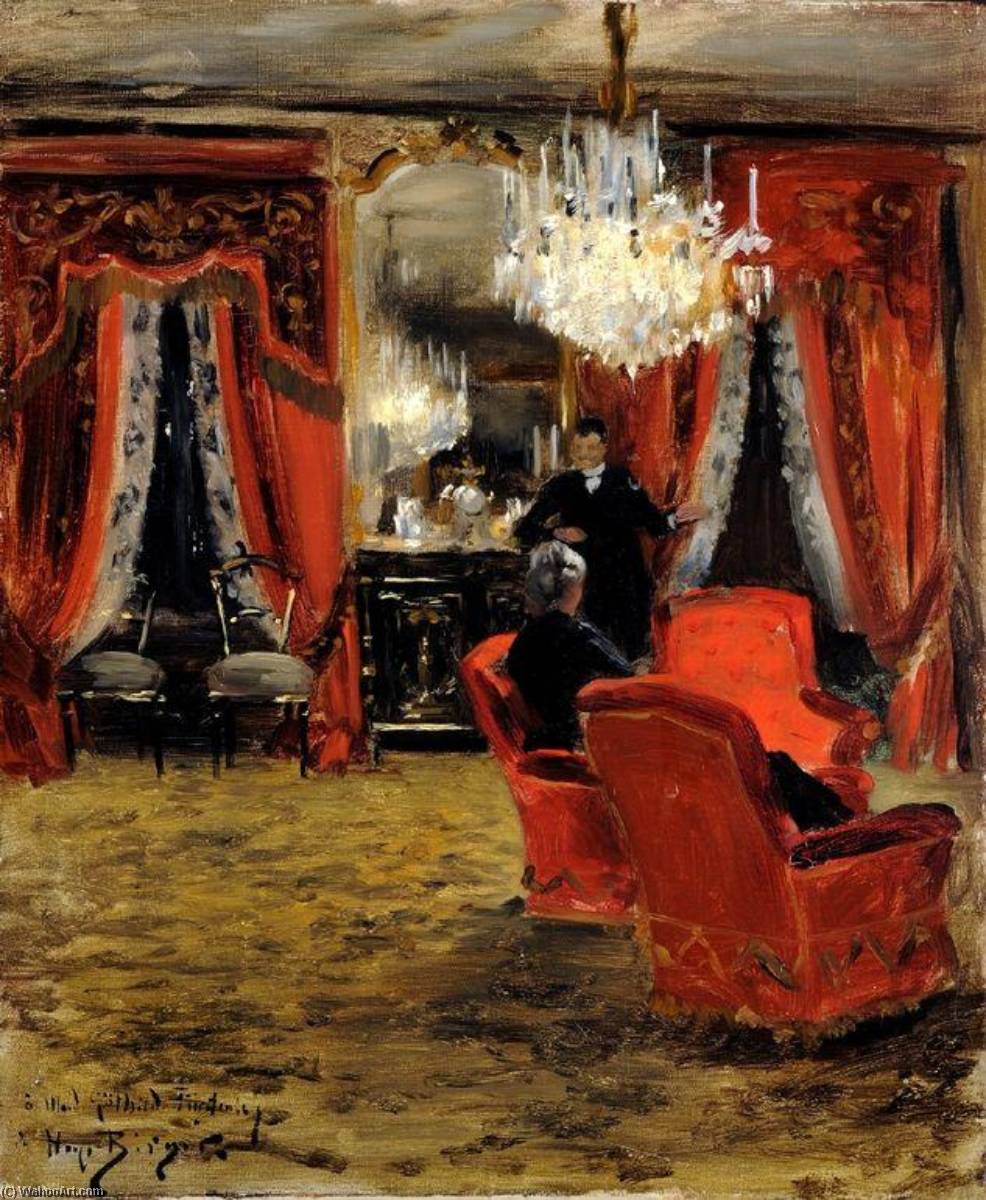
Interior from the Fürstenberg´s Home by Electric Light

 Read More
Giclée / Art Print
Museum-quality giclée or canvas print with fast production and flexible finish options. ( Buy Hand Made Painting Buy Image)




































Pick from our preset sizes that match the artwork's original proportions.

You may enter your own dimensions to fit a specific frame or space. If your selected size does not match the original image's proportions, we will either crop the artwork or extend the image with a mirrored or solid-fill edge. A digital mockup will be sent for your approval before production begins.
Please note that the on-screen preview does not reflect the actual cropping or extension. Only the mockup will accurately show the final composition.
While custom sizes are available, we recommend selecting a dimension from the predefined list to preserve the original proportions.
Worldwide Delivery () in 2 weeks instead of standard 4/5 weeks. (23 August)

Free Worldwide Express Shipping

High-Quality Linen Canvas

Full Shipping Insurance

Customs Tax Refund Guarantee

True Color Matching Guarantee

60-Day Return Policy (Defects Only)

100% Money-Back Guarantee

Bulk Discount Offer
 Glass option is only available in size under 110 CM

Interior from the Fürstenberg´s Home by Electric Light
Giclée / Art Print
Reproduction Size
-


Total Price
$ 63
Related Artworks






Artist Biography
John Martin: Architect of the Sublime
John Martin (1789–1854) remains a profoundly enigmatic figure in British art, an artist whose dramatic visions and unconventional techniques captivated audiences during his lifetime and continue to resonate today. Born near Hexham in Northumberland, his early life was marked by a somewhat itinerant existence, shaped by his father’s fencing career and a series of apprenticeships that ultimately led him to London in 1806. This journey proved pivotal, setting the stage for a career defined by monumental canvases depicting scenes of biblical grandeur, apocalyptic landscapes, and fantastical realms—a style he would come to be known as the “sublime.” Martin’s artistic education began with a formal apprenticeship under Bonaface Musso, an Italian artist specializing in enamel work. This early training instilled in him a meticulous attention to detail and a deep understanding of perspective and composition. However, it was his own independent study—particularly of architecture and the works of classical masters—that truly shaped his artistic vision. He immersed himself in the writings of Milton and Dante, drawing inspiration from their explorations of religious themes and the power of imagination. Crucially, he developed a fascination with ruins – ancient Roman structures, particularly – which became recurring motifs in his work, symbolizing both the passage of time and the enduring strength of faith.The Rise of the Romantic Vision
Martin’s artistic career gained momentum in the early 1810s when he began exhibiting at the Royal Academy in London. His paintings immediately stood out for their scale, dramatic lighting, and intensely emotional atmosphere. Unlike the prevailing Neoclassical style, which favored order and restraint, Martin embraced a Romantic sensibility—one characterized by heightened emotion, individualism, and an appreciation for the power of nature. His works were not simply depictions of scenes; they were carefully constructed narratives designed to evoke awe, terror, and spiritual contemplation. His early successes, including *A Landscape Composition* (1811), quickly established him as a popular artist, earning him the moniker “the most popular painter of his day” from Thomas Lawrence. However, this popularity was often accompanied by criticism from more conservative critics like John Ruskin, who found his work overly theatrical and lacking in moral substance.Technique and Innovation
Martin’s artistic technique was as innovative as it was dramatic. He employed a layered approach to painting, building up surfaces with numerous thin washes of color—a method that created an ethereal quality and allowed him to achieve the luminous effects he so desired. His use of light and shadow was particularly striking, often employing chiaroscuro (strong contrasts between light and dark) to heighten the sense of drama and create a palpable atmosphere of suspense. Furthermore, Martin pioneered new techniques in printmaking, producing exquisitely detailed engravings from his own paintings that were equally captivating as the original canvases. These prints, including *The Deluge* (1837), achieved widespread popularity and helped to disseminate his vision to a broader audience.Major Works and Lasting Influence
Martin’s most celebrated works include *Belshazzar's Feast* (1819), depicting the apocalyptic scene from the Book of Daniel, and *The Last Judgement* (1824), a colossal canvas portraying the arrival of Christ to judge humanity. *The Plains of Heaven* (1836) and *The Great Day of His Wrath* (1851) are equally monumental in scale and ambition, capturing the terrifying grandeur of divine retribution. These paintings, along with his numerous engravings, cemented Martin’s reputation as a master of the Romantic sublime—a style that emphasized the overwhelming power of nature and the insignificance of human existence in the face of cosmic forces. His influence extended beyond painting; he inspired generations of artists, writers, and composers, shaping the aesthetic sensibilities of the Victorian era and beyond.A Legacy of Mystery
Despite his considerable success during his lifetime, John Martin’s life was marked by personal tragedy and financial hardship. He suffered a debilitating stroke in 1853, which ultimately led to his death in Douglas, Isle of Man, in 1854. His work continued to be admired and studied long after his death, but he remained an enigmatic figure—a brilliant artist whose unconventional vision and dramatic style continue to captivate and challenge viewers today. His paintings serve as a potent reminder of the enduring power of imagination and the sublime beauty – and terror – inherent in the natural world.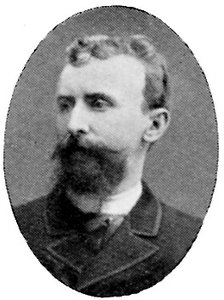
hugo birger
1854 - 1887
Quick Facts
- Artistic Movement Or Style: Romanticism
- Artists Or Movements Influenced By This Artist: ['Ruskin']
- Artists Who Influenced This Artist: ['Boniface Musso']
- Date Of Birth: 19 July 1789
- Date Of Death: 17 February 1854
- Full Name: John Martin
- Nationality: English
- Notable Artworks:
- Belshazzar's Feast
- The Last Judgement
- Plains of Heaven
- Place Of Birth: Haydon Bridge, UK