 Preview
 Send
Send Share
Share
 Details

 Download
 Similars
 X-Ray
X-Ray Diaporama
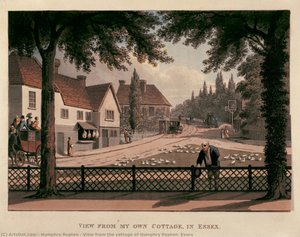
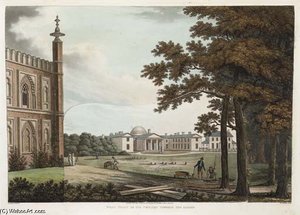
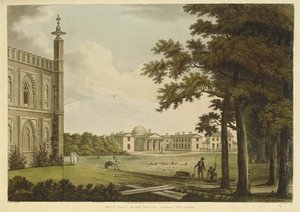
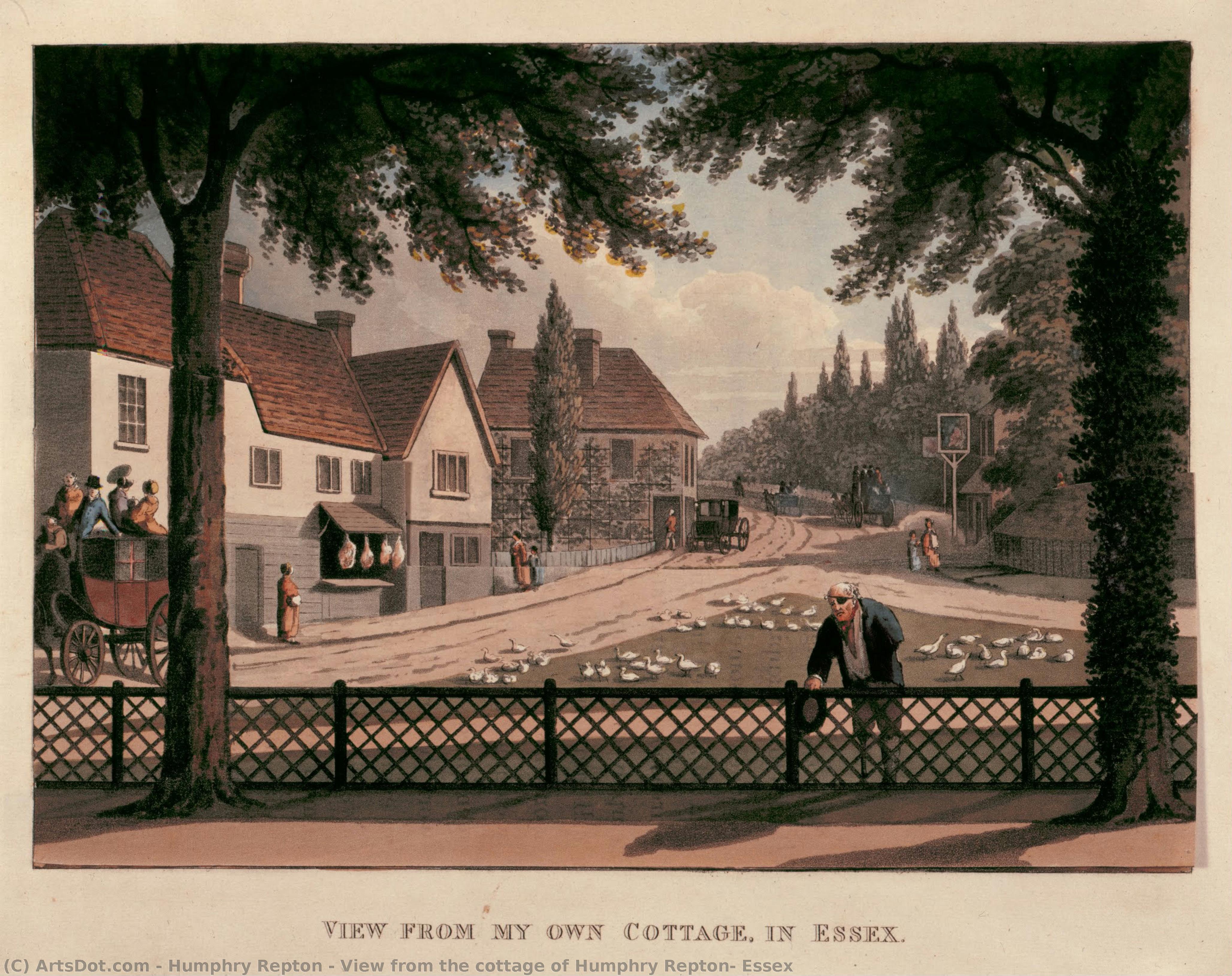
View from the cottage of Humphry Repton, Essex


 Read More
Giclée / Art Print
Museum-quality giclée or canvas print with fast production and flexible finish options. ( Buy Hand Made Painting Buy Image)




































Pick from our preset sizes that match the artwork's original proportions.

You may enter your own dimensions to fit a specific frame or space. If your selected size does not match the original image's proportions, we will either crop the artwork or extend the image with a mirrored or solid-fill edge. A digital mockup will be sent for your approval before production begins.
Please note that the on-screen preview does not reflect the actual cropping or extension. Only the mockup will accurately show the final composition.
While custom sizes are available, we recommend selecting a dimension from the predefined list to preserve the original proportions.
Worldwide Delivery () in 2 weeks instead of standard 4/5 weeks. (5 September)

Free Worldwide Express Shipping

High-Quality Linen Canvas

Full Shipping Insurance

Customs Tax Refund Guarantee

True Color Matching Guarantee

60-Day Return Policy (Defects Only)

100% Money-Back Guarantee

Bulk Discount Offer
 Glass option is only available in size under 110 CM

View from the cottage of Humphry Repton, Essex
Giclée / Art Print
Reproduction Size
-


Total Price
$ 63
A Window into the Georgian Soul
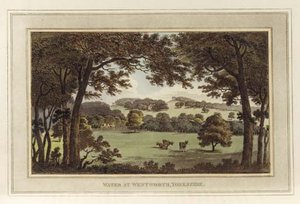
In the delicate brushstrokes of "View from the cottage of Humphry Repton, Essex," we are invited to step through a portal into the year 1816, witnessing a moment of profound pastoral serenity. This exquisite painting serves as more than just a landscape; it is a personal window into the world of its creator, the legendary landscape architect Humphry Repton. The scene unfolds with a gentle, rhythmic vitality, capturing a quaint village street where life moves at the unhurried pace of a bygone era. As the eye wanders through the composition, one encounters a charming tapestry of human activity—pedestrians strolling with quiet purpose, horses navigating the lane, and a carriage poised on the periphery—all harmoniously integrated into a landscape that feels both lived-in and deeply idealized.
The artist’s technique masterfully employs the subtle contours and soft light characteristic of the era's aesthetic. There is a palpable sense of atmosphere created by the way the trees line the street, casting dappled shadows that lend a rhythmic depth to the composition. The inclusion of small, delicate details—the presence of birds fluttering through the air and the distant movement of travelers—adds layers of narrative texture, transforming a simple village view into a complex study of social harmony and natural beauty. For the discerning collector, this piece offers a masterclass in balance, where every element, from the organic shapes of the foliage to the structured movement of the figures, contributes to a sense of equilibrium.
The Reptonian Legacy: Harmony and Nostalgia
To understand the emotional resonance of this work, one must consider the hand that held the brush. Humphry Repton was a man who revolutionized the British landscape, moving away from the theatrical grandeur of his predecessors toward a more "Reptonian" style—one defined by subtlety, proportion, and a seamless blend between architecture and nature. In this painting, we see those very principles applied to a miniature scale. The composition reflects his professional obsession with tranquility and contemplative space. Even in a depiction of a populated street, there is an underlying sense of order and peace that mirrors the design philosophy Repton applied to the great estates of England.
For interior designers and lovers of classical art, this painting serves as a magnificent focal point for spaces that demand a sense of calm and historical weight. The soft palette and nostalgic subject matter evoke a longing for a simpler, more structured world, making it an ideal addition to a library, a formal dining room, or a sunlit morning room. It is not merely a decoration; it is an invitation to reflect. Owning a high-quality reproduction of this work allows one to bring the restorative spirit of the English countryside into the modern home, offering a timeless escape into the gentle light of the early nineteenth century.
Related Artworks

Artist Biography
Humphry Repton: The Architect of Tranquility
Humphry Repton (1752 – 1818) stands as a singular figure in the annals of landscape architecture, recognized for his transformative vision that reshaped British estates and profoundly impacted the aesthetic sensibilities of the Georgian era. Unlike many of his contemporaries who favored grand vistas and theatrical displays, Repton championed a distinctly restrained style—the ‘Reptonian’ – characterized by subtle contours, harmonious planting schemes, and an emphasis on creating contemplative spaces designed to soothe the senses and inspire reflection. He wasn't merely designing gardens; he was crafting experiences rooted in Palladian ideals of proportion and symmetry, subtly blending classical principles with the burgeoning Romantic movement.- Early Life & Education: Born in Bury St Edmunds, Suffolk, Repton’s formative years instilled a deep appreciation for natural beauty and geometric precision. His father, a clergyman, fostered his intellectual curiosity, encouraging him to pursue studies at Eton College and subsequently Christ Church Oxford, where he excelled in mathematics and classical scholarship.
- Emergence as Landscape Designer: Repton’s professional career began modestly, initially focusing on designing ornamental villas before swiftly gaining renown for his ambitious projects. His breakthrough came with the redesign of Stowe School gardens in Buckinghamshire (1790-1806), establishing him as a pioneer of the Reptonian style—a masterful demonstration of how to integrate landscape into architectural grandeur.
The Reptonian Style: Harmony and Proportion
Repton’s distinctive approach to garden design revolved around several key tenets. Firstly, he prioritized gentle curves and undulating ground planes rather than abrupt changes in elevation, mirroring the contours of the surrounding hillsides. Secondly, he meticulously planned planting schemes—often featuring specimen trees strategically positioned to frame vistas—creating a visual rhythm that calmed the eye. Thirdly, Repton skillfully employed perspective tricks and optical illusions to enhance depth and grandeur without resorting to overwhelming scale. This technique was famously applied at Chatsworth House, where he subtly altered the landscape to create an illusion of greater distance and magnificence.- Notable Projects: Beyond Stowe and Chatsworth, Repton undertook commissions for numerous aristocratic estates across England, including Petworth House (West Sussex), Luton Hoo Estate (Essex) and Blenheim Palace (Oxfordshire). His designs consistently prioritized tranquility and elegance, reflecting the tastes of his patrons and establishing him as the dominant voice in landscape architecture during his lifetime.
- Influence & Legacy: Repton’s influence extended far beyond his immediate commissions. He mentored younger architects and designers, disseminating his principles throughout the British landscape movement. His aesthetic vision profoundly shaped the appearance of Georgian Britain, leaving an indelible mark on architectural grandeur and garden design—a legacy that continues to inspire contemporary landscape artists.
Brighton Pavilion: A Symbol of Imperial Vision
Perhaps Repton’s most iconic achievement was his involvement in the construction of Brighton Pavilion (1817), a neoclassical palace commissioned by George IV. Recognizing the importance of integrating architecture with its surroundings, Repton transformed the seafront gardens into a harmonious expanse of lawns and herbaceous borders—a deliberate counterpoint to the formal Italianate designs favored by earlier monarchs. The pavilion’s airy interior and expansive terraces capitalized on natural light and ventilation, creating a space that embodied the ideals of Enlightenment sophistication and imperial grandeur.- Recognition & Critical Acclaim: Repton's meticulous attention to detail and his unwavering commitment to classical principles garnered considerable acclaim during his lifetime. He was elected Fellow of the Royal Society in 1793, cementing his reputation as a scholar and innovator.
Concluding Reflections
Humphry Repton’s contribution to landscape architecture transcends mere decoration; it represents a fundamental shift in how Britons perceived their environment. He championed a philosophy of design rooted in observation, restraint, and an understanding of the interplay between human artistry and natural beauty—a perspective that continues to resonate with artists and designers today. His enduring legacy resides not only in the magnificent gardens he created but also in his profound influence on the aesthetic sensibilities of an era defined by elegance, tranquility, and a harmonious embrace of the sublime.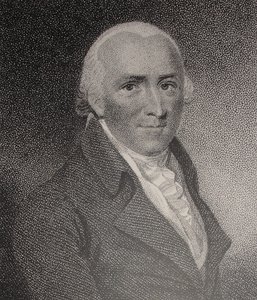
humphry repton
1752 - 1818 , United Kingdom
Quick Facts
- Artistic Movement Or Style: Reptonian Style
- Artists Or Movements Influenced By This Artist: Palladian Influence
- Artists Who Influenced This Artist: Capability Brown
- Date Of Birth: April 21, 1752
- Date Of Death: March 24, 1818
- Full Name: Humphry Repton
- Nationality: British
- Notable Artworks: ['View from the cottage of Humphry Repton']
- Place Of Birth: Bury St Edmunds, UK
Related Articles

Hokusai's Masterpieces: 25 Iconic Prints & Paintings for Art Lovers | ArtsDot
Journey through Katsushika Hokusai’s 25 most iconic artworks, including *The Great Wave*. Explore the ukiyo-e master's history, style & timeless Japanese woodblock prints. Find museum-quality reproductions for your home at ArtsDot.com.

Romantic Landscapes: 10 Masterpieces for Your Home | ArtsDot
Journey through 10 Romantic landscape masterpieces by Friedrich, Turner & Cole. Explore emotional art, sublime nature scenes & iconic 19th-century paintings. Find museum-quality reproductions for your home at ArtsDot.com – discover the full collection online!

Evocations of Place: A Historical Journey Through Landscape Art
Explore the rich history of landscape art with ArtsDot. Discover renowned artists, movements like Impressionism & Romanticism, and expert guidance for collecting timeless pieces. Find your perfect serene escape today!

John Constable's Masterpieces: Explore 25 Iconic Landscapes for Your Home
Journey through John Constable's 25 most celebrated landscapes. Explore Romanticism, Dedham Vale & his masterful use of light in iconic paintings like 'Hay Wain'. Find museum-quality art reproductions and elevate your home decor on ArtsDot.com.

Nature’s Embrace: Finding Serenity Through Landscape Art
Explore the power of landscape art to evoke serenity and tranquility. Discover historical perspectives, renowned artists, and find the perfect piece to bring nature's peace into your home with .