

 Preview
 Send
Send Share
Share
 Details

 Download
 Similars
 X-Ray
X-Ray Diaporama
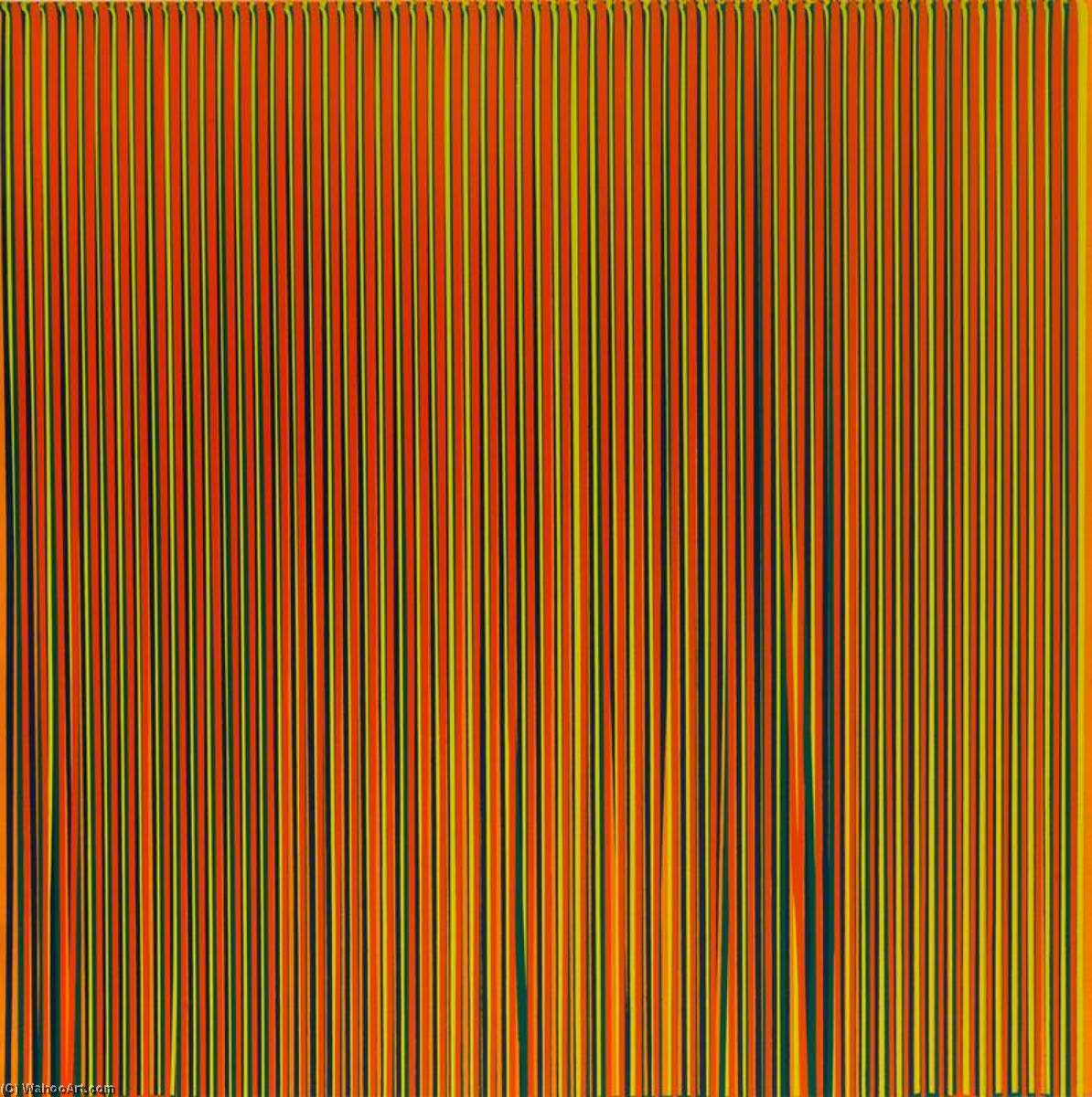
Poured Lines Light Orange, Blue, Yellow, Dark Green and Orange
 Oil On Canvas
- WallArt
- Contemporary Painting
 1995
1995- Contemporary
 213.0 x 213.0 cm
 Arts Council Collection
 Read More
Purchase a high-resolution, enhanced digital image, far superior to the online preview.
Each file is meticulously prepared by our in-house specialists using advanced tools and expert manual retouching. We ensure every image has exceptional clarity, precise color accuracy, and fine detail.
The final file is delivered via email within 72 hours, optimized for immediate use in professional, editorial, and print environments. This is the same quality trusted by top-tier design studios, publishers, and galleries.
Digital Image
Download a high-resolution file for personal display, printing, and creative projects. ( Buy Print Buy Hand Made Painting)
Included in Every Digital Image Order
Expert Digital Delivery, Guaranteed
When you choose ArtsDot.com, you're not just getting an image - you're receiving a professionally enhanced digital artwork, crafted with precision and backed by a satisfaction guarantee. Here's everything that comes with your order, automatically:

Fast Email Delivery
Your high-resolution digital image file will be emailed to you within 72 hours of ordering - ready for immediate use.

AI-Enhanced Digital File
Your artwork is professionally optimized using advanced AI tools and manual editing, ensuring maximum detail, clarity, and color accuracy.

Free Lifetime Re-Delivery
Accidentally deleted or lost your file? No worries - we'll resend it to you anytime, free of charge.

No Import Fees - Ever
Enjoy your artwork instantly with zero customs, duties, or delivery fees - digital downloads are always tax-free.

Color Accuracy Guarantee
We ensure your digital image reflects the original colors as closely as possible using professional tools and color management.

60-Day Satisfaction Guarantee
If you're not satisfied with your digital image, we'll revise it or refund 100% within 60 days - no questions asked.

100% Money-Back Guarantee
Not satisfied? Get a full refund within 60 days of receiving your digital file - no questions asked.

Bulk Order Discounts
Buy 3 images, save 10% - Buy 5, save 15% - Buy 10+, save 20%. Great for creative projects, galleries, and agencies.
Collectible Description
A Cascade of Color: Exploring Ian Davenport's "Poured Lines Light Orange, Blue, Yellow, Dark Green and Orange"
Ian Davenport’s “Poured Lines Light Orange, Blue, Yellow, Dark Green and Orange,” created in 1995, is more than just a painting; it’s an experience. Measuring a substantial 213 x 213 cm, the work commands attention, drawing viewers into its vibrant depths. This piece exemplifies Davenport's signature poured-paint technique, a process that marries chance and control to create mesmerizing visual effects. Rather than applying paint with a brush in traditional strokes, Davenport pours streams of color onto a horizontal surface, allowing gravity and fluidity to dictate their paths. The resulting vertical stripes aren’t merely juxtaposed; they intermingle, bleed into one another, and create an optical illusion where the perceived number of colors exceeds the actual count. This particular composition showcases a carefully selected palette – light orange, blue, yellow, dark green, and orange – each hue contributing to a dynamic interplay of warmth and coolness, vibrancy and restraint. The scale itself is significant; it envelops the viewer, immersing them in a world of pure color sensation.The Technique: Controlled Chaos and the Beauty of Impermanence
Davenport’s method isn't simply about pouring paint; it’s a meticulously orchestrated process that acknowledges the unpredictable nature of physics while maintaining artistic intent. The artist carefully considers the viscosity of each pigment, its potential for blending, and how it will interact with neighboring colors as it flows downwards. This is not an act of random abandon but rather a sophisticated understanding of color theory and material properties. The beauty lies in the inherent impermanence of the process – once the paint is poured, the artist relinquishes some control, allowing gravity and capillary action to shape the final image. This element of chance introduces a unique quality to each piece, ensuring that no two are ever exactly alike. It’s a dance between intention and accident, resulting in compositions that feel both spontaneous and deliberately crafted. The large scale further amplifies this effect, making the viewer acutely aware of the sheer volume of paint involved and the complex interactions occurring within the canvas.Color Psychology and Symbolic Resonance
The chosen color palette itself carries significant weight. Yellow, often associated with joy, optimism, and intellect, is tempered by the grounding presence of orange – a hue that evokes warmth, energy, and creativity. The inclusion of blue introduces a sense of calm and serenity, while dark green adds depth and complexity, hinting at nature's resilience and growth. These colors aren’t simply aesthetically pleasing; they evoke specific emotions and associations within the viewer. The interplay between warm and cool tones creates a visual tension that keeps the eye engaged, constantly searching for new patterns and relationships. While Davenport doesn't explicitly assign symbolic meanings to his color choices, the inherent psychological impact of these hues contributes to the overall emotional resonance of the work. It’s a celebration of color in its purest form, stripped of representational imagery yet brimming with evocative power.A Legacy of Color: Davenport and the Late 20th Century Art Scene
“Poured Lines Light Orange, Blue, Yellow, Dark Green and Orange” emerged during a period of significant experimentation within contemporary art. The late 1990s saw artists pushing boundaries, exploring new materials and techniques, and challenging traditional notions of painting. Davenport’s poured-paint process can be seen as part of this broader movement towards abstraction and materiality. His work shares affinities with Color Field painters like Helen Frankenthaler, who also explored the expressive potential of poured paint, but Davenport's approach is distinct in its emphasis on verticality and the creation of layered, almost architectural structures of color. The piece reflects a shift away from narrative content toward pure visual experience, inviting viewers to engage directly with the materiality of paint and the power of color itself. Owning a reproduction of this artwork isn’t just acquiring a beautiful object; it's embracing a pivotal moment in contemporary art history and bringing the vibrant energy of Ian Davenport’s vision into your space.Related Artworks



Artist Biography
John McKinstry: A Cornish Landscape Painter Forged in the Sixties
Born in Hertfordshire, England, in 1966, John McKinstry’s artistic journey began to take shape amidst the vibrant cultural shifts of the late 20th century. While his early life unfolded within the familiar landscapes of the Midlands, a pivotal relocation to Cornwall in later years would profoundly influence his work, imbuing it with the rugged beauty and elemental spirit of the southwest peninsula. McKinstry’s artistic development is inextricably linked to this geographical shift; he found himself immersed in a region renowned for its dramatic coastlines, ancient moorlands, and ever-changing skies – elements that would become central themes within his evocative landscape paintings.
McKinstry's style is characterized by a deliberate restraint and an almost meditative approach. He eschews the overtly expressive brushstrokes of some contemporary landscape artists, instead favoring a more subtle, layered technique. His palette tends towards muted tones – greys, blues, browns, and ochres – creating a sense of atmospheric depth and quiet contemplation. He often employs a dry-brush technique, allowing the texture of the canvas to subtly reveal itself, adding a tactile quality to his work. This deliberate control, combined with an acute observation of light and shadow, allows McKinstry to capture not just the appearance of a landscape but also its underlying mood and character.
The Echoes of 1966: A Generation Defined
McKinstry’s birth year, 1966, is a significant marker in art history. It was a period of immense experimentation and upheaval – the height of the British Invasion, the rise of Pop Art, and the burgeoning counterculture movement. The events of that year, including the first public display of prints by Aubrey Beardsley at the Victoria and Albert Museum (a controversial exhibition threatened with obscenity), the founding of the Chicago Surrealist Group, and the opening of the new Whitney Museum in New York City, all reflect a broader artistic climate characterized by questioning established norms and embracing innovation. While McKinstry’s work doesn't directly engage with these specific movements, it can be argued that he embodies a certain understated sensibility – a quiet resistance to overt expression, perhaps mirroring a subtle reaction against the more flamboyant trends of the era.
Furthermore, the events surrounding Jim Dine’s guilty verdict for exhibiting indecent works at Robert Fraser's gallery in London and the subsequent Artist Placement Group initiative demonstrate a growing awareness of art’s role within society and its potential to challenge conventions. These developments fostered a spirit of experimentation and critical engagement that undoubtedly influenced artists like McKinstry, even if indirectly.
Technique and Materials: A Dialogue with Nature
McKinstry's process is deeply rooted in observation and a careful consideration of materials. He primarily works in oil on canvas, often employing a layering technique to build up depth and texture. He meticulously studies the nuances of light and shadow, using thin glazes to create subtle shifts in tone and color. The artist’s use of palette knives allows him to apply paint with precision and control, creating smooth surfaces and sharp edges that define the forms within his landscapes.
Crucially, McKinstry's work is not simply a representation of external reality; it’s an exploration of the relationship between the artist and the landscape. He often works *en plein air* (outdoors), directly observing the subject before returning to the studio to translate his impressions onto canvas. This direct engagement with nature fosters a sense of immediacy and authenticity in his paintings, inviting viewers to share in his experience of the landscape.
A Contemporary Voice: McKinstry’s Enduring Legacy
While McKinstry's work may not be widely recognized within mainstream art circles, it possesses a quiet strength and enduring appeal. His landscapes offer a respite from the frenetic pace of modern life, inviting viewers to slow down, observe, and connect with the natural world. His understated style and meticulous technique are reminiscent of traditional landscape painters while simultaneously reflecting the sensibilities of contemporary artists who seek to capture the essence of place.
The artist’s continued presence in Cornwall, a region steeped in artistic tradition, suggests a commitment to preserving and celebrating the beauty of this unique environment. John McKinstry's work stands as a testament to the power of observation, the importance of connection with nature, and the enduring appeal of quiet contemplation – qualities that resonate deeply within a world increasingly dominated by noise and distraction.
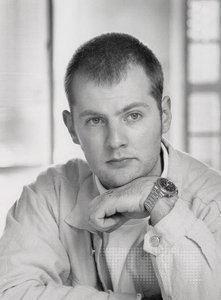
ian davenport
1966 - , United Kingdom
Quick Facts
- Artistic Movement Or Style: Landscape artist
- Date Of Birth: 1966
- Full Name: John McKinstry
- Nationality: British
- Notable Artworks: ['Various landscape pieces']
- Place Of Birth: Hertfordshire, UK

