 Preview
 Send
Send Share
Share
 Details

 Download
 Similars
 X-Ray
X-Ray Diaporama
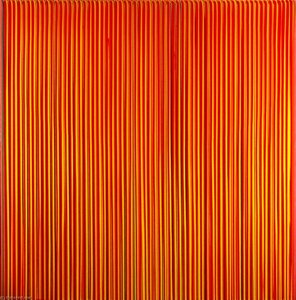
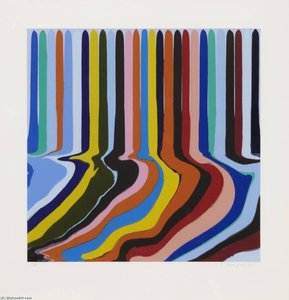
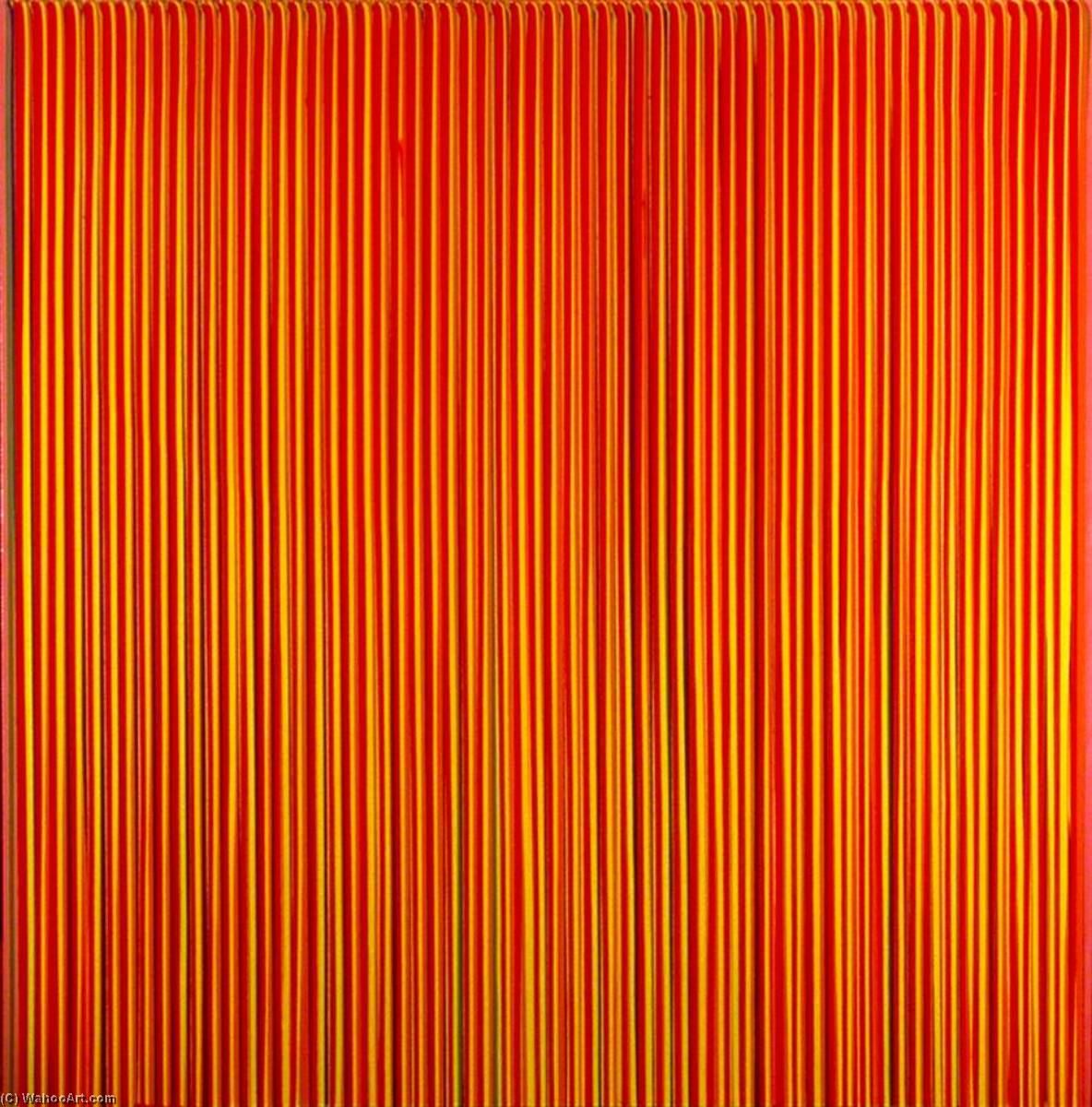
Poured Lines, Light Red, Green, Blue, Yellow, Orange, Yellow, Red
 Painting
- Abstract Expressionism
 1995
1995- Contemporary
 213.0 x 213.0 cm
 Government Art Collection
 Read More
Hand Made Oil Reproduction
Hand-painted oil on canvas in your size and frame, made to order by our artists. ( Buy Print Buy Image)




P118B $10

P118H $10

P118W $10

P438Z $10

P508JH $12

P508YH $12

P805H $10

P805Z $10

P919BZ $10

P919G $10

P919XJ $10

P959ZH $10

P968JZ $12

W106C $8

W218G $10

W218JH $8

W218Y $10

W307PJ $10

W316G $10

W316PJ $8

W316Y $10

W398PJ $8

W4111J $10

W500HY $15

W500JH $15

W692G $12

W849H $8

W940BG $15

W953PJ $8




Pick from our preset sizes that match the artwork's original proportions.

You may enter your own dimensions to fit a specific frame or space. If your selected size does not match the original image's proportions, we will either crop the artwork or extend the painting with additional hand-painted elements. A digital mockup will be sent for your approval before production begins.
Please note that the on-screen preview does not reflect the actual cropping or extension. Only the mockup will accurately show the final composition.
While custom sizes are available, we recommend selecting a dimension from the predefined list to preserve the original proportions.
After order, ArtsDot.com team will email client for instructions and provide a mockup preview
Worldwide Delivery () in 3/4 weeks instead of standard 5 weeks. (25 August). No compromise on quality.

Free Worldwide Express Shipping

High-Quality Linen Canvas

Full Shipping Insurance

Customs Tax Refund Guarantee

True Color Matching Guarantee

60-Day Return Policy (Defects Only)

100% Money-Back Guarantee

Bulk Discount Offer
 Glass option is only available in size under 110 CM

Poured Lines, Light Red, Green, Blue, Yellow, Orange, Yellow, Red
Reproduction Medium
Reproduction Size
-


Total Price
$ 263
Artwork Description
The Luminous Geometry of Color
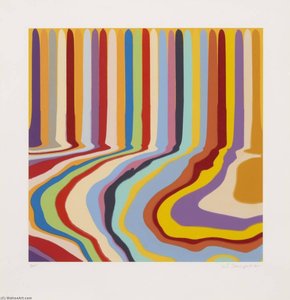
To stand before Ian Davenport's "Poured Lines" is to encounter a pure, exhilarating conversation between color and surface. This monumental canvas, dating from 1995, does not whisper its narrative; it sings it in bold, saturated strokes. The immediate impact is one of vibrant energy, dominated by the interplay between deep reds and brilliant yellows. It feels less like a depiction of an object and more like a captured moment of pure chromatic effusion—as if light itself has been strained through liquid pigments and allowed to settle across the vast expanse of the canvas. Davenport’s signature style here is one of controlled abstraction, where the eye is invited not just to look, but to move, tracing the paths dictated by the artist's hand.
Technique and Materiality: A Study in Flow
The technique employed in "Poured Lines" suggests a masterful handling of paint, evoking the appearance of poured or stained materials. The lines are not merely painted on; they seem to emanate from within the canvas structure itself. While the overall effect is one of fluid movement—a sense of liquid energy traversing the red ground—the underlying precision speaks to Davenport's technical control. The inclusion of multiple hues, including hints of green, blue, and orange alongside the dominant reds and yellows, adds a complex vibrational quality. It forces the viewer to consider how adjacent colors interact optically, creating phantom shades that shift depending on where one stands. For those considering bringing this piece into a curated space, understanding this interplay between apparent randomness and underlying structure is key; it promises dynamism in any setting.
Symbolism of Pure Color
Color, for Davenport, often transcends mere decoration to become a primary subject matter. Red, historically associated with passion, vitality, and raw power, anchors the piece, providing a deep, resonant warmth. Yellow, conversely, embodies illumination, optimism, and sharp clarity. When these two forces—the grounding depth of red against the soaring brightness of yellow—are juxtaposed in such rhythmic stripes, they create a visual tension that is both exhilarating and deeply meditative. The pattern itself suggests pathways, conduits, or perhaps even the visible energy fields surrounding us. It speaks to modern life's constant flow of information and sensation, rendered beautiful through geometric simplification.
Emotional Resonance for the Modern Collector
This work possesses an undeniable emotional charge. It is a piece that refuses to be ignored; it demands attention while simultaneously offering a visual release. For collectors and interior designers alike, "Poured Lines" offers more than just wall art; it offers an atmospheric anchor. Imagine this vibrancy against the muted tones of sophisticated modern furnishings—the painting becomes the singular, electrifying focal point. It injects a sense of optimistic, structured chaos into a room, suggesting that even within rigid forms or predictable spaces, there is always room for brilliant, unbridled color to flow.
Related Artworks
Artist Biography
John McKinstry: A Cornish Landscape Painter Forged in the Sixties
Born in Hertfordshire, England, in 1966, John McKinstry’s artistic journey began to take shape amidst the vibrant cultural shifts of the late 20th century. While his early life unfolded within the familiar landscapes of the Midlands, a pivotal relocation to Cornwall in later years would profoundly influence his work, imbuing it with the rugged beauty and elemental spirit of the southwest peninsula. McKinstry’s artistic development is inextricably linked to this geographical shift; he found himself immersed in a region renowned for its dramatic coastlines, ancient moorlands, and ever-changing skies – elements that would become central themes within his evocative landscape paintings.
McKinstry's style is characterized by a deliberate restraint and an almost meditative approach. He eschews the overtly expressive brushstrokes of some contemporary landscape artists, instead favoring a more subtle, layered technique. His palette tends towards muted tones – greys, blues, browns, and ochres – creating a sense of atmospheric depth and quiet contemplation. He often employs a dry-brush technique, allowing the texture of the canvas to subtly reveal itself, adding a tactile quality to his work. This deliberate control, combined with an acute observation of light and shadow, allows McKinstry to capture not just the appearance of a landscape but also its underlying mood and character.
The Echoes of 1966: A Generation Defined
McKinstry’s birth year, 1966, is a significant marker in art history. It was a period of immense experimentation and upheaval – the height of the British Invasion, the rise of Pop Art, and the burgeoning counterculture movement. The events of that year, including the first public display of prints by Aubrey Beardsley at the Victoria and Albert Museum (a controversial exhibition threatened with obscenity), the founding of the Chicago Surrealist Group, and the opening of the new Whitney Museum in New York City, all reflect a broader artistic climate characterized by questioning established norms and embracing innovation. While McKinstry’s work doesn't directly engage with these specific movements, it can be argued that he embodies a certain understated sensibility – a quiet resistance to overt expression, perhaps mirroring a subtle reaction against the more flamboyant trends of the era.
Furthermore, the events surrounding Jim Dine’s guilty verdict for exhibiting indecent works at Robert Fraser's gallery in London and the subsequent Artist Placement Group initiative demonstrate a growing awareness of art’s role within society and its potential to challenge conventions. These developments fostered a spirit of experimentation and critical engagement that undoubtedly influenced artists like McKinstry, even if indirectly.
Technique and Materials: A Dialogue with Nature
McKinstry's process is deeply rooted in observation and a careful consideration of materials. He primarily works in oil on canvas, often employing a layering technique to build up depth and texture. He meticulously studies the nuances of light and shadow, using thin glazes to create subtle shifts in tone and color. The artist’s use of palette knives allows him to apply paint with precision and control, creating smooth surfaces and sharp edges that define the forms within his landscapes.
Crucially, McKinstry's work is not simply a representation of external reality; it’s an exploration of the relationship between the artist and the landscape. He often works *en plein air* (outdoors), directly observing the subject before returning to the studio to translate his impressions onto canvas. This direct engagement with nature fosters a sense of immediacy and authenticity in his paintings, inviting viewers to share in his experience of the landscape.
A Contemporary Voice: McKinstry’s Enduring Legacy
While McKinstry's work may not be widely recognized within mainstream art circles, it possesses a quiet strength and enduring appeal. His landscapes offer a respite from the frenetic pace of modern life, inviting viewers to slow down, observe, and connect with the natural world. His understated style and meticulous technique are reminiscent of traditional landscape painters while simultaneously reflecting the sensibilities of contemporary artists who seek to capture the essence of place.
The artist’s continued presence in Cornwall, a region steeped in artistic tradition, suggests a commitment to preserving and celebrating the beauty of this unique environment. John McKinstry's work stands as a testament to the power of observation, the importance of connection with nature, and the enduring appeal of quiet contemplation – qualities that resonate deeply within a world increasingly dominated by noise and distraction.
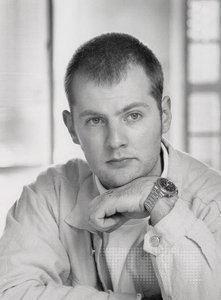
ian davenport
1966 - , United Kingdom
Quick Facts
- Artistic Movement Or Style: Landscape artist
- Date Of Birth: 1966
- Full Name: John McKinstry
- Nationality: British
- Notable Artworks: ['Various landscape pieces']
- Place Of Birth: Hertfordshire, UK
Related Articles

Geometric Abstraction's 10 Defining Masterpieces | Art for Your Home - ArtsDot
Explore 10 defining masterpieces of Geometric Abstraction! Discover Kandinsky, Mondrian & Malevich’s iconic works. Find museum-quality art reproductions and curated decor ideas to elevate your home at ArtsDot.com.

Kandinsky's Masterpieces: 25 Paintings That Define Abstract Art | ArtsDot
Journey through Wassily Kandinsky's 25 most iconic abstract paintings. Explore his revolutionary use of color, form & spiritual expressionism. Find museum-quality Kandinsky reproductions and elevate your home decor with ArtsDot.com. Discover all masterpieces on ArtsDot.com!
Mark Rothko's Masterpieces: 25 Paintings That Define Abstract Expressionism | ArtsDot
Explore 25 iconic Mark Rothko paintings that define Abstract Expressionism. Discover the stories, colors & emotions behind these masterpieces. Find museum-quality art reproductions and curated decor ideas at ArtsDot.com.
Abstract Expressionism's 10 Defining Masterpieces |
Explore 10 defining Abstract Expressionism masterpieces by Pollock, Rothko & de Kooning. Discover the stories behind these iconic paintings and find museum-quality art reproductions to elevate your home decor on .
Fernand Léger's Masterpieces: 25 Iconic Paintings & The Machine Age Aesthetic | ArtsDot
Explore 25 iconic Fernand Léger paintings that defined the Machine Age & Cubism. Discover the stories behind his bold colors, geometric forms & avant-garde style. Find museum-quality art reproductions on ArtsDot.com.