 Preview
 Send
Send Share
Share
 Details

 Download
 Similars
 X-Ray
X-Ray Diaporama
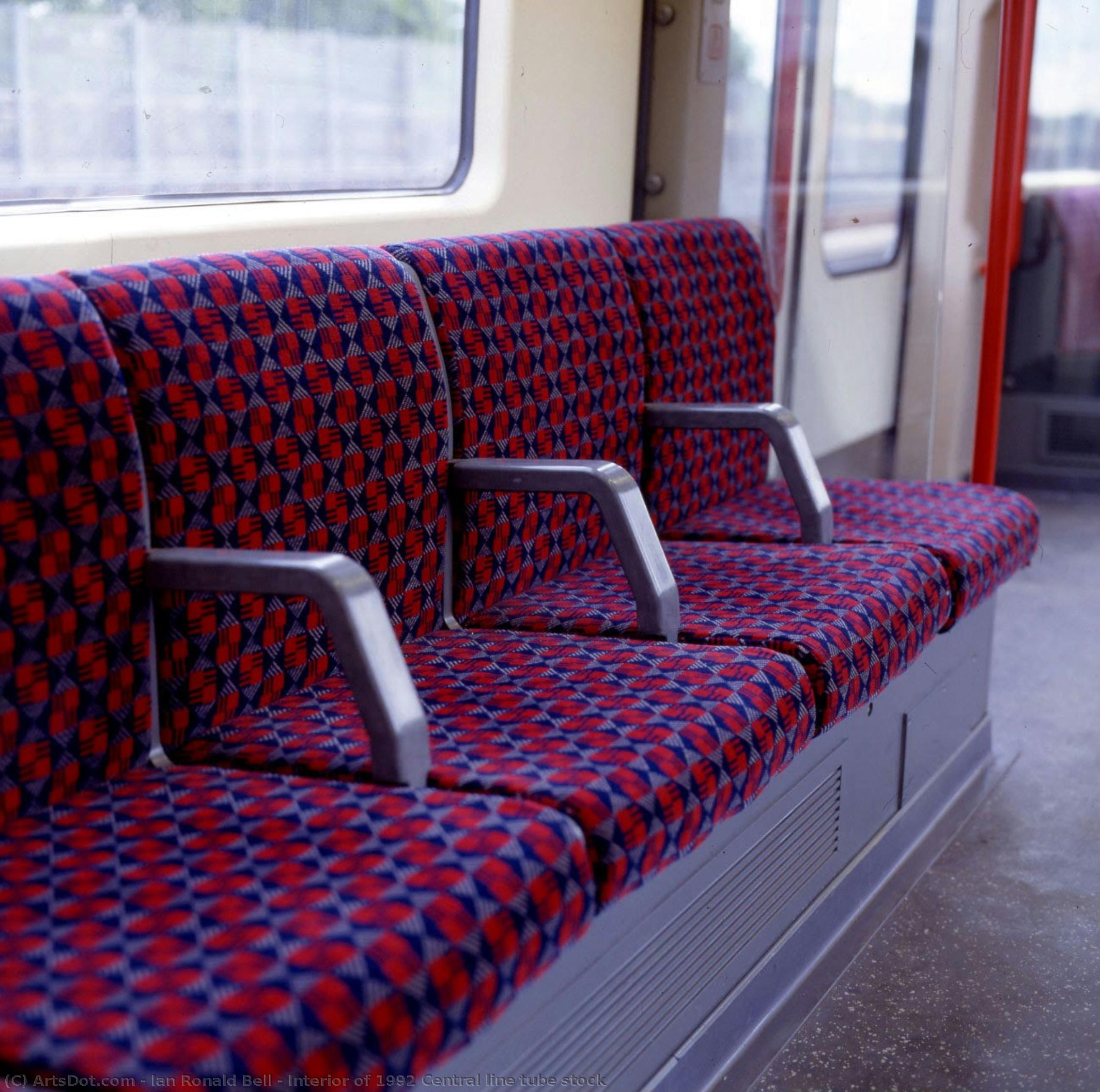
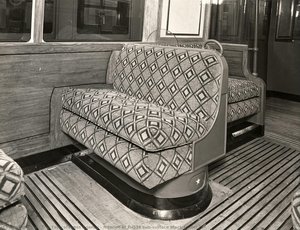
Interior of 1992 Central line tube stock


 Read More
Hand Made Oil Reproduction
Hand-painted oil on canvas in your size and frame, made to order by our artists. ( Buy Print Buy Image)




P118B $10

P118H $10

P118W $10

P438Z $10

P508JH $12

P508YH $12

P805H $10

P805Z $10

P919BZ $10

P919G $10

P919XJ $10

P959ZH $10

P968JZ $12

W106C $8

W218G $10

W218JH $8

W218Y $10

W307PJ $10

W316G $10

W316PJ $8

W316Y $10

W398PJ $8

W4111J $10

W500HY $15

W500JH $15

W692G $12

W849H $8

W940BG $15

W953PJ $8




Pick from our preset sizes that match the artwork's original proportions.

You may enter your own dimensions to fit a specific frame or space. If your selected size does not match the original image's proportions, we will either crop the artwork or extend the painting with additional hand-painted elements. A digital mockup will be sent for your approval before production begins.
Please note that the on-screen preview does not reflect the actual cropping or extension. Only the mockup will accurately show the final composition.
While custom sizes are available, we recommend selecting a dimension from the predefined list to preserve the original proportions.
After order, ArtsDot.com team will email client for instructions and provide a mockup preview
Worldwide Delivery () in 3/4 weeks instead of standard 5 weeks. (26 August). No compromise on quality.

Free Worldwide Express Shipping

High-Quality Linen Canvas

Full Shipping Insurance

Customs Tax Refund Guarantee

True Color Matching Guarantee

60-Day Return Policy (Defects Only)

100% Money-Back Guarantee

Bulk Discount Offer
 Glass option is only available in size under 110 CM

Interior of 1992 Central line tube stock
Reproduction Medium
Reproduction Size
-


Total Price
$ 263
Artwork Description
A Glimpse into the Everyday: Ian Bell’s ‘Interior of 1992 Central line tube stock’
Ian Ronald Bell's “Interior of 1992 Central line tube stock” isn’t merely a photograph; it’s a carefully constructed moment frozen in time, a quiet testament to the rhythms and textures of urban life. Captured in stark black and white during 1993, the image offers an intimate portrait of a London Underground carriage – a space often overlooked yet brimming with stories of commuters, fleeting connections, and the relentless pulse of the city. Bell’s choice to focus on this seemingly mundane subject speaks volumes about his artistic sensibility: he elevates the commonplace into something profoundly evocative, inviting us to contemplate the beauty hidden within the ordinary.
The photograph immediately draws the eye with its deliberate composition. The two rows of red seats, punctuated by the vibrant blue geometric patterns – a bold and unexpected design choice for the era – create a strong horizontal axis that anchors the image. The bench positioned centrally acts as a visual fulcrum, subtly directing our gaze through the space. Bell’s use of light is masterful; it's diffused and even, casting soft shadows that define the contours of the seats and highlighting the subtle variations in texture. This controlled lighting contributes to an atmosphere of understated elegance, transforming what could have been a snapshot into a considered work of art.
The Intersection of Sport and Vision
Bell’s artistic journey is as compelling as the artwork itself. Born in Coventry in 1982, his early life was inextricably linked to cricket, where he achieved considerable success as a batsman for Warwickshire CCC and England Cricket Team. This background profoundly informs his work; there's a clear sense of observation honed by years spent analyzing angles, distances, and the subtle movements within a sporting arena. The meticulous detail evident in “Interior of 1992 Central line tube stock” – from the stitching on the seats to the reflections in the metal surfaces – reflects this ingrained attention to detail. It’s as if he applies the same analytical eye he used to dissect a cricket pitch to capturing the nuances of urban space.
Interestingly, Bell's transition from professional cricketer to artist wasn’t abrupt. He describes his artistic practice as a way of “bridging cricket passion and artistic vision,” suggesting a deep-seated need to translate his experiences – both physical and emotional – into visual form. This dual identity adds another layer of richness to the artwork, hinting at a life lived between two distinct worlds.
Symbolism in the Suburbs
Beyond its aesthetic qualities, “Interior of 1992 Central line tube stock” is rich with symbolic potential. The red seats, often associated with energy and passion (perhaps referencing his cricket career), contrast sharply with the cool blue patterns, suggesting a tension between individual experience and collective space. The crowded carriage itself represents the anonymity and interconnectedness of urban life – a microcosm of society where countless stories unfold simultaneously. The photograph subtly captures a moment of suspended time, inviting us to imagine the lives and destinations of the unseen passengers within.
Furthermore, the 1992 Central line tube stock is itself a significant detail. It represents a specific era in London’s transport history – a period of rapid growth and transformation. The photograph serves as a visual artifact, offering a glimpse into the past and prompting reflection on how urban spaces evolve over time.
A Timeless Reflection
“Interior of 1992 Central line tube stock” is more than just a photograph; it’s an evocative meditation on place, identity, and the human experience. Bell's skillful composition, masterful use of light, and keen eye for detail combine to create a work that is both visually arresting and emotionally resonant. Reproductions of this piece offer a unique opportunity to bring a slice of London’s urban landscape into any interior space, inviting viewers to pause, reflect, and consider the stories embedded within everyday moments.
Related Artworks


Artist Biography
The Dual Legacy of Ian Ronald Bell: From Cricket Pitch to Canvas
The story of Ian Ronald Bell is one of remarkable metamorphosis, a journey that traces the evolution of a man from the high-stakes arena of international sport to the contemplative silence of the artist's studio. Born in Coventry, United Kingdom, in 1982, Bell first captured the world's attention not with a paintbrush, but with a cricket bat. As a celebrated batsman for Warwickshire CCC and a mainstay of the England Cricket Team, his life was defined by the rhythmic precision of the sport—a discipline that demanded intense focus, spatial awareness, and an acute understanding of timing. This athletic foundation, characterized by his prowess in Test matches and One Day Internationals, provided a unique psychological scaffolding for his later artistic pursuits, instilling a sense of patience and meticulous observation that would become the hallmarks of his visual language.
Transitioning from the roar of the stadium to the quietude of creative exploration, Bell has developed a style that serves as a bridge between tradition and contemporary vision. His work is far more than a mere hobby; it is a profound redirection of energy, where the precision once used to master a cover drive is now applied to the subtle nuances of light and texture. In his paintings, one finds a harmonious fusion of observation and imagination, a way of seeing that honors the physical world while imbuing it with emotional depth. His development as an artist has been marked by an unwavering commitment to detail, allowing him to capture the beauty of everyday subjects with a clarity that resonates with both the casual observer and the seasoned connoisseur.
Artistic Influences and Technical Mastery
The aesthetic soul of Bell’s work is deeply rooted in a reverence for the masters of light and form. He draws significant inspiration from artists such as Charles Gogin, whose mastery of still-life painting offers a blueprint for capturing the delicate interplay of shadow and substance. By studying how light dances across surfaces, Bell has learned to manipulate color palettes to evoke atmosphere and mood, creating works that feel both grounded in reality and elevated by artistry. This influence is complemented by an appreciation for narrative-driven art, such as the impactful work of Neville Lewis, which informs his ability to imbue even the most simple compositions with a sense of historical or emotional weight.
Technically, Bell’s approach is characterized by a meticulous attention to detail that mirrors the discipline of his sporting past. His canvases often feature:
- A profound understanding of color palettes, used to create depth and guide the viewer's eye through the composition.
- Meticulous detail, where the texture of an object or the softness of a shadow is rendered with remarkable precision.
- A fusion of movement and stillness, reflecting his ability to translate the kinetic energy of his former life into the frozen, poetic moments of fine art.
Through this blend of influences, Bell has carved out a niche in the contemporary British art scene. His work does not merely replicate what is seen; it interprets the essence of the subject, offering a perspective that is uniquely his own. As he continues to evolve, his significance lies in this very ability to transcend boundaries, proving that the discipline of an athlete and the sensitivity of an artist are not disparate worlds, but two sides of the same creative spirit.

ian ronald bell
1982 - , United Kingdom
Quick Facts
- Artistic Movement Or Style: Traditional & Modern Techniques
- Artists Or Movements Influenced By This Artist: ['Northern Renaissance Art']
- Artists Who Influenced This Artist:
- Charles Gogin
- Neville Lewis
- Date Of Birth: 1982
- Full Name: Ian Ronald Bell
- Nationality: British
- Notable Artworks:
- Interior of 1992 Central line tube stock
- Mr Hollingberry's Canary
- Place Of Birth: Coventry, United Kingdom
Related Articles

Monochrome Visions: Exploring the Aesthetic & Historical Significance of Black & White Photography
Explore the rich history & artistic power of black and white photography. From early techniques to iconic masters like Ansel Adams, discover why monochrome continues to captivate art lovers today. Expert insights for collectors.

White on Canvas: 10 Masterpieces & Timeless Elegance for Your Home Decor
Explore 10 iconic white paintings by Monet, Whistler & Rothko! Discover the stories behind these serene masterpieces and their impact on art history. Find museum-quality reproductions for your home decor at .
Beyond the Lens: Photography's Enduring Influence on Modern & Contemporary Art
Explore photography's pivotal role in shaping modern & contemporary art. Discover key movements, influential artists like Stieglitz, and expert collecting advice from ArtsDot.

Dark Masterpieces: 10 Iconic Paintings Dominated by Black Tones |
Explore 10 iconic paintings dominated by black tones, from Rembrandt’s chiaroscuro to Goya's dark expressions. Discover the stories behind these masterpieces & find museum-quality art reproductions for your home at .
Witnessing History Through Lens & Light: Documentary Photography's Enduring Legacy
Explore the powerful history of documentary photography – from its origins to contemporary masters like Gordon Parks & W. Eugene Smith. Discover how this art form shapes our understanding of society and witness pivotal moments in time.