

 Send
Send Share
Share
 Details

 Download
 Similars
 Diaporama
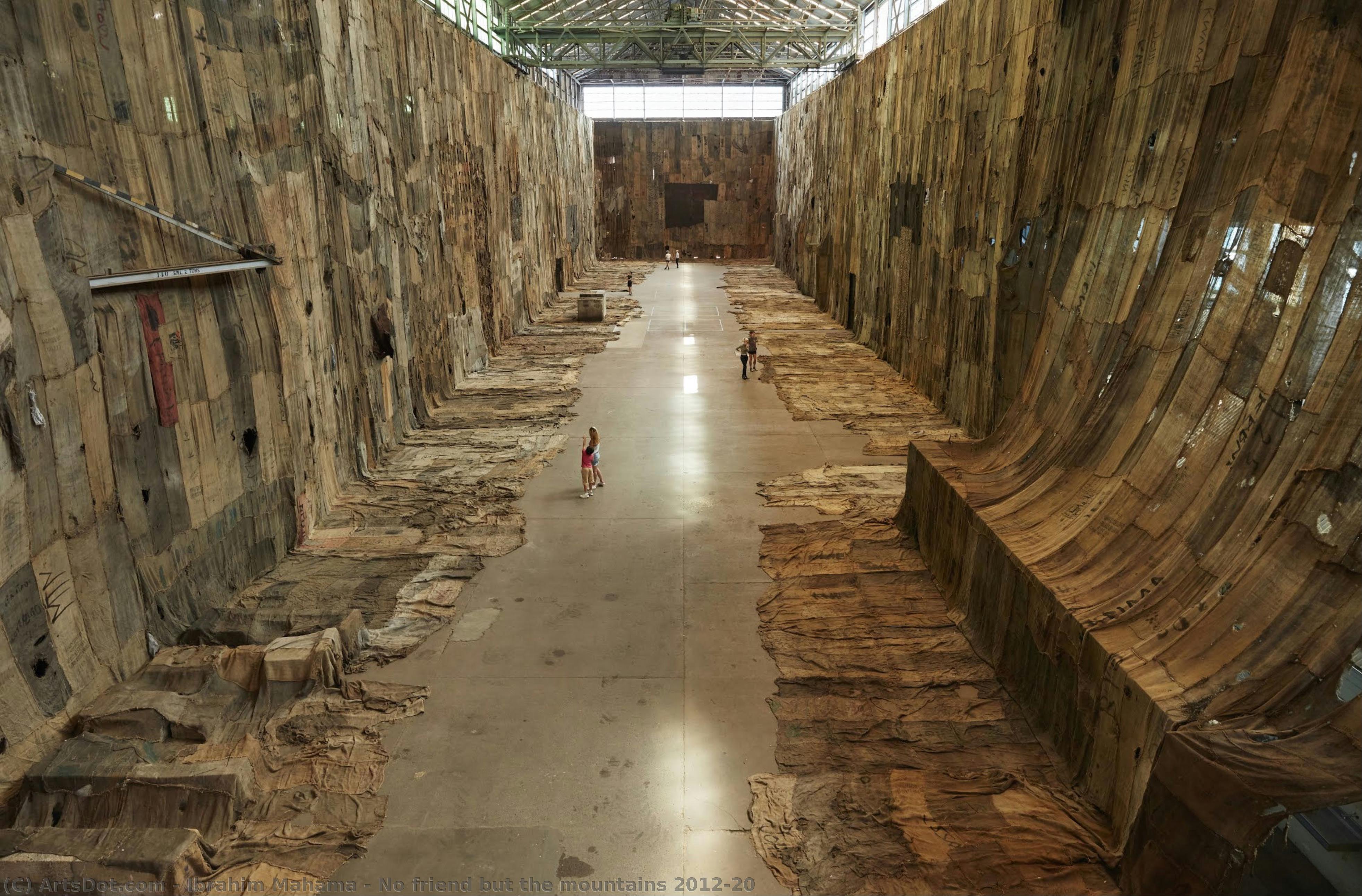
No friend but the mountains 2012-20


 Read More
Purchase a high-resolution, enhanced digital image, far superior to the online preview.
Each file is meticulously prepared by our in-house specialists using advanced tools and expert manual retouching. We ensure every image has exceptional clarity, precise color accuracy, and fine detail.
The final file is delivered via email within 72 hours, optimized for immediate use in professional, editorial, and print environments. This is the same quality trusted by top-tier design studios, publishers, and galleries.
Digital Image
Download a high-resolution file for personal display, printing, and creative projects. ( Buy Print Buy Hand Made Painting)
Included in Every Digital Image Order
Expert Digital Delivery, Guaranteed
When you choose ArtsDot.com, you're not just getting an image - you're receiving a professionally enhanced digital artwork, crafted with precision and backed by a satisfaction guarantee. Here's everything that comes with your order, automatically:

Fast Email Delivery
Your high-resolution digital image file will be emailed to you within 72 hours of ordering - ready for immediate use.

AI-Enhanced Digital File
Your artwork is professionally optimized using advanced AI tools and manual editing, ensuring maximum detail, clarity, and color accuracy.

Free Lifetime Re-Delivery
Accidentally deleted or lost your file? No worries - we'll resend it to you anytime, free of charge.

No Import Fees - Ever
Enjoy your artwork instantly with zero customs, duties, or delivery fees - digital downloads are always tax-free.

Color Accuracy Guarantee
We ensure your digital image reflects the original colors as closely as possible using professional tools and color management.

60-Day Satisfaction Guarantee
If you're not satisfied with your digital image, we'll revise it or refund 100% within 60 days - no questions asked.

100% Money-Back Guarantee
Not satisfied? Get a full refund within 60 days of receiving your digital file - no questions asked.

Bulk Order Discounts
Buy 3 images, save 10% - Buy 5, save 15% - Buy 10+, save 20%. Great for creative projects, galleries, and agencies.
Collectible Description
The Poetics of Presence: Unveiling No Friend but the Mountains
In the evocative piece No friend but the mountains 2012-20, Ibrahim Mahama invites us into a profound meditation on space, labor, and the shared human experience. Captured in a stark, monochromatic palette, this work transcends simple photography to become a window into a world of collective movement. The image presents a vast, industrial expanse—a room with a cold cement floor that feels less like a mere setting and than a stage for the quiet drama of existence. As we gaze upon the scattered figures and the rhythmic placement of chairs, we are drawn into a composition that balances the monumental scale of the environment with the intimate, fleeting moments of the individuals within it. It is a work that demands a slow, contemplative viewing, rewarding the observer with a deep sense of atmospheric weight.
The aesthetic power of this photograph lies in its masterful use of light and shadow, characteristic of Mahama’s ability to find grandeur in the mundane. The black and white medium strips away the distractions of color, forcing our focus onto texture, form, and the interplay of light across the industrial surfaces. There is a palpable sense of history embedded in the grain of the image; the way the chairs are positioned—some huddled together, others isolated against the walls—suggests a narrative of assembly and dispersal. This technique creates a visual tension between the permanence of the architecture and the transient nature of the people inhabiting it, mirroring the artist's broader fascination with how industrial materials and human labor intersect to shape our global reality.
Beyond its visual strikingness, the work serves as a powerful philosophical inquiry into the concepts of justice and democratization. Mahama’s underlying message—a call for freedom and justice that includes even the "non-life"—resonates through the very emptiness of the spaces between the subjects. The piece challenges us to shift our perceptions and expand our values of respect, urging a recognition of the many hands that contribute to the structures of our society. For the collector or interior designer, this artwork offers more than just a sophisticated visual element; it provides a profound intellectual anchor. It is a conversation piece that brings a sense of gravity, historical depth, and social consciousness to any curated space, making it an exquisite choice for those who seek art that speaks to the enduring spirit of community and the complex beauty of our shared industrial heritage.
Related Artworks
Artist Biography
A Tapestry of Time: The Life and Art of Ibrahim Mahama
Born in 1987 in Tamale, Ghana, Ibrahim Mahama emerges as a pivotal figure in contemporary art, an artist whose work resonates with the weight of history, the pulse of globalization, and the enduring spirit of collective memory. Growing up within a large, polygamous family profoundly shaped his artistic trajectory, instilling a collaborative ethos that permeates every facet of his practice. This upbringing wasn’t merely a personal experience; it became a foundational element in how he approaches creation – not as an isolated act, but as a communal endeavor. His father, a civil engineer deeply involved in road construction, sparked an early fascination with industrial materials and the complex systems of labor that underpin modern infrastructure. These formative influences would later coalesce into Mahama’s signature aesthetic: monumental installations crafted from repurposed objects, imbued with layers of meaning and social commentary. From a young age, he was drawn to the stories embedded within discarded materials, recognizing their potential to speak volumes about trade, migration, and the legacies of colonialism. His formal education at Kwame Nkrumah University of Science and Technology (KNUST) in Kumasi – culminating in a PhD in Fine Art – provided him with the intellectual framework to explore these themes with increasing sophistication. Mentorship from educators like Kąrî'kạchä Seid'ou and the collective blaxTARLINES KUMASI further refined his artistic philosophy, grounding it in a critical engagement with post-colonial discourse and African modernism.The Language of Found Objects
Mahama’s art is immediately recognizable for its distinctive material palette. He doesn’t seek pristine canvases or sculpted marble; instead, he finds beauty and significance in the discarded remnants of urban life. Jute sacks – once used to transport commodities like cocoa, now bearing the marks of countless journeys – are perhaps his most iconic medium. These sacks, often sourced from local markets, become the building blocks for large-scale installations that envelop architectural spaces, transforming them into immersive environments. But Mahama’s repertoire extends far beyond jute. He incorporates remnants of wood, paper documents, shoeboxes, school blackboards, and even old doors – each object carrying its own unique history and symbolic weight. His technique is equally compelling: sewing, patching, and layering these materials to create textured surfaces that invite tactile exploration and visual contemplation. This process isn’t simply about aesthetic arrangement; it's an act of excavation, a way of unearthing hidden narratives and giving voice to marginalized histories. He describes his practice as “time travel,” a journey into the past through the tangible remnants of human activity. The architecture itself is never merely a backdrop but becomes integral to the work, considered both conceptually and materially.Themes of Globalization and Collective Memory
At the heart of Mahama’s artistic vision lies a profound engagement with the complexities of globalization, migration, and post-colonialism. His installations often explore the dynamics of trade, highlighting the inequalities inherent in global economic systems. The jute sacks, for example, serve as potent symbols of commodity exchange, reminding viewers of the human labor and historical forces that underpin our consumer culture. He doesn’t shy away from confronting difficult truths about exploitation, displacement, and the enduring legacies of colonial power. However, his work is not simply a critique; it's also an affirmation of resilience and collective identity. By incorporating materials sourced from local communities and collaborating with artisans in Ghana, Mahama fosters a sense of shared ownership and cultural pride. His installations become spaces for dialogue, inviting viewers to reflect on their own relationship to history, memory, and the interconnectedness of our world. Parliament of Ghosts, his installation at the Whitworth Art Gallery in Manchester, powerfully recreated Ghana’s parliament chamber using 120 scratched second-class train seats – a poignant commentary on political representation and the weight of historical burdens.Global Recognition and Institutional Impact
Mahama's artistic impact extends far beyond the confines of galleries and museums. His work has been showcased at prestigious international venues, including the Biennale of Sydney, Documenta 14, and most notably, the Ghana Pavilion at the 2019 Venice Biennale – a landmark moment that brought his art to a global audience. In 2024, he unveiled Purple Hibiscus, a breathtaking textile installation covering the Barbican Centre in London, created in collaboration with over 1,000 craftspeople from Tamale, demonstrating his commitment to community engagement and artistic exchange. His growing recognition is further evidenced by accolades such as being ranked as the 14th most influential artist on ArtReview’s Power 100 list (2024) and receiving the Art Basel & UBS Artist of the Year Award (2025). Beyond his individual achievements, Mahama has dedicated himself to building sustainable art ecosystems in Ghana. He founded the Savannah Centre for Contemporary Art (SCCA), Redclay Studio, and Nkrumah Voli-ni – institutions that provide platforms for exhibitions, research, community-based learning, and artistic collaboration. These initiatives reflect his belief in the transformative power of art and its potential to empower local communities.A Lasting Legacy
Ibrahim Mahama’s work is not merely aesthetically compelling; it's intellectually rigorous and emotionally resonant. He challenges conventional notions of value, prompting viewers to reconsider the histories embedded within everyday objects. His use of found materials transforms the mundane into the monumental, forcing us to confront uncomfortable truths about our relationship to consumption, labor, and the environment. His art is held in significant public collections worldwide, solidifying his place as a leading voice in contemporary African art and a vital contributor to the global artistic landscape. He doesn’t offer easy answers or simplistic solutions; instead, he invites us to engage in critical dialogue, to question our assumptions, and to imagine new possibilities for a more just and equitable future. Mahama's legacy will undoubtedly extend beyond his individual artworks, inspiring generations of artists to embrace collaboration, challenge conventions, and use their creativity as a force for social change.
Ibrahim Mahama
1987 - , Ghana
Quick Facts
- Artistic Movement Or Style: Installation art
- Artists Who Influenced This Artist: ["Kąrî'kạchä Seid'ou"]
- Date Of Birth: 1987
- Full Name: Ibrahim Mahama
- Nationality: Ghanaian
- Notable Artworks:
- Chaley Wote
- No friend but the mountains
- Parliament of Ghost
- Purple Hibiscus
- Place Of Birth: Tamale, Ghana

