

 Preview
 Send
Send Share
Share
 Details

 Download
 Similars
 X-Ray
X-Ray Diaporama
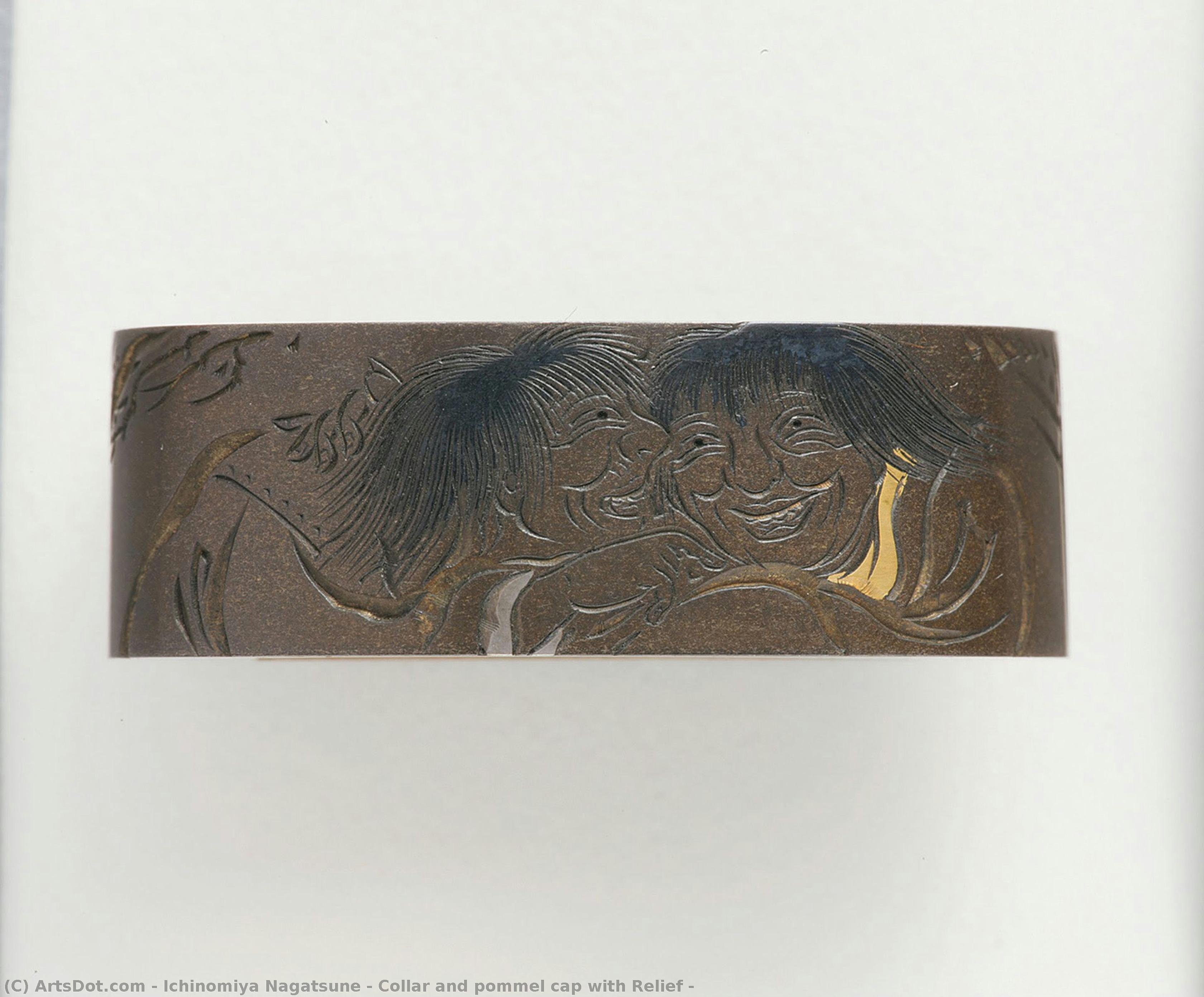
Collar and pommel cap with Relief

 Read More
Purchase a high-resolution, enhanced digital image, far superior to the online preview.
Each file is meticulously prepared by our in-house specialists using advanced tools and expert manual retouching. We ensure every image has exceptional clarity, precise color accuracy, and fine detail.
The final file is delivered via email within 72 hours, optimized for immediate use in professional, editorial, and print environments. This is the same quality trusted by top-tier design studios, publishers, and galleries.
Digital Image
Download a high-resolution file for personal display, printing, and creative projects. ( Buy Print Buy Hand Made Painting)
Included in Every Digital Image Order
Expert Digital Delivery, Guaranteed
When you choose ArtsDot.com, you're not just getting an image - you're receiving a professionally enhanced digital artwork, crafted with precision and backed by a satisfaction guarantee. Here's everything that comes with your order, automatically:

Fast Email Delivery
Your high-resolution digital image file will be emailed to you within 72 hours of ordering - ready for immediate use.

AI-Enhanced Digital File
Your artwork is professionally optimized using advanced AI tools and manual editing, ensuring maximum detail, clarity, and color accuracy.

Free Lifetime Re-Delivery
Accidentally deleted or lost your file? No worries - we'll resend it to you anytime, free of charge.

No Import Fees - Ever
Enjoy your artwork instantly with zero customs, duties, or delivery fees - digital downloads are always tax-free.

Color Accuracy Guarantee
We ensure your digital image reflects the original colors as closely as possible using professional tools and color management.

60-Day Satisfaction Guarantee
If you're not satisfied with your digital image, we'll revise it or refund 100% within 60 days - no questions asked.

100% Money-Back Guarantee
Not satisfied? Get a full refund within 60 days of receiving your digital file - no questions asked.

Bulk Order Discounts
Buy 3 images, save 10% - Buy 5, save 15% - Buy 10+, save 20%. Great for creative projects, galleries, and agencies.
Collectible Description
Related Artworks
Artist Biography
Ichinomiya Nagatsune: A Kyoto Master of Metal and Spirit
Ichinomiya Nagatsune, a name now whispered with reverence in the world of Japanese art, was born on the fifth day of the fourth month of Kyōhō six (1721) in Echizen province – a humble beginning for an artisan who would become one of Kyoto’s most celebrated metalworkers. His early life was marked by a unique apprenticeship: he was adopted into the household of a Kyoto kinko artist, immersing himself in the traditions of shaping and transforming metal from a young age. This formative experience laid the foundation for his exceptional talent, setting him on a path to rival the legendary Yokoya Sōmin of Edo – a formidable achievement considering the geographical distance and artistic differences between the two cities. Nagatsune’s journey was not merely one of technical skill; it was deeply intertwined with the cultural currents of 18th-century Japan, particularly the evolving relationship between art, samurai culture, and the burgeoning influence of Western aesthetics.The Art of Kinko and Early Influences
Nagatsune’s artistic development is inextricably linked to the tradition of *kinko* (金工), a specialized form of metalworking that flourished in Kyoto during this period. *Kinko* artisans were renowned for their intricate designs, masterful craftsmanship, and ability to seamlessly blend traditional Japanese motifs with innovative techniques. He studied under Ishida Yūtei, the influential teacher of Yokoya Sōmin, absorbing not only technical skills but also a philosophical approach to art – an emphasis on balance, harmony, and the subtle interplay of form and function. This lineage provided him with a crucial understanding of the aesthetic principles that would define his own distinctive style. Early in his career, Nagatsune’s work often reflected the prevailing trends of the time, incorporating elements of *ukiyo-e* woodblock prints – particularly their dynamic compositions and vibrant colors – into his designs for sword guards (tsuba) and menuki (ornamental fittings for the handle of a sword). This fusion of traditional kinko techniques with Western influences would become a hallmark of his oeuvre.Mastery of Tsuba and Menuki: A Signature Style
Nagatsune’s true genius lay in his exceptional skill at creating *tsuba* (sword guards) and menuki – small, decorative fittings that adorned the sword handle. These objects were not merely functional; they were miniature works of art, imbued with symbolic meaning and reflecting the status, personality, and artistic sensibilities of their owner. Nagatsune’s *tsuba*, in particular, are celebrated for their intricate detail, bold compositions, and masterful use of materials – often incorporating gold, silver, copper, and shakudo (darkened brass). He was particularly known for his depictions of animals, landscapes, and scenes from Japanese mythology, rendered with a remarkable sense of dynamism and realism. His menuki, similarly exquisite, showcased a similar level of artistry, frequently featuring floral motifs, geometric patterns, or stylized representations of figures and creatures. The British Museum, the Metropolitan Museum of Art, and the Walters Art Museum proudly display examples of his work, testament to their enduring value and artistic significance.A Legacy Recognized: Recognition and Historical Context
Ichinomiya Nagatsune’s reputation as one of the “three great metalworkers of Kyoto kinko” solidified during his lifetime, though he remained a relatively private figure. His work was highly sought after by wealthy samurai families and influential members of the court, reflecting its exceptional quality and artistic merit. The fact that his pieces are still collected today – including those held in prestigious institutions worldwide – speaks volumes about his lasting impact on Japanese art history. His career coincided with a period of significant cultural exchange between Japan and the West, and Nagatsune’s work demonstrates an astute awareness of these developments, incorporating Western artistic principles while remaining firmly rooted in traditional Japanese aesthetics. He was not simply replicating Western styles; he was synthesizing them into something uniquely his own – a testament to his creative vision and technical mastery.Beyond the Technique: The Spirit of Nagatsune
Ultimately, Ichinomiya Nagatsune’s legacy extends far beyond the purely technical aspects of his craft. He embodied the spirit of *machibori* – a term that encompasses both artistic skill and a deep understanding of Japanese culture and symbolism. His work is imbued with a sense of quiet dignity, understated elegance, and profound respect for tradition. He was a master of capturing the essence of Japanese aesthetics – the beauty of nature, the values of honor and loyalty, and the subtle nuances of human emotion – within the confines of his metalwork. Studying Nagatsune’s life and work offers a valuable window into the cultural landscape of 18th-century Japan, revealing the complex interplay between tradition and innovation, art and society, and the enduring power of human creativity.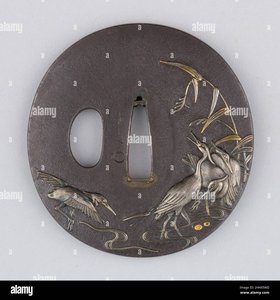
Ichinomiya Nagatsune
1721 - 1786 , Japan
Quick Facts
- Artistic Movement Or Style: Kinko (metalwork)
- Artists Or Movements Influenced By This Artist: ['Yokoya Sōmin']
- Artists Who Influenced This Artist: ['Ishida Yūtei']
- Date Of Birth: 1721
- Full Name: Ichinomiya Nagatsune
- Nationality: Japanese
- Notable Artworks:
- Sword guards (tsuba)
- Menuki art
- Place Of Birth: Echizen, Japan

