

 Preview
 Send
Send Share
Share
 Details

 Download
 Similars
 X-Ray
X-Ray Diaporama
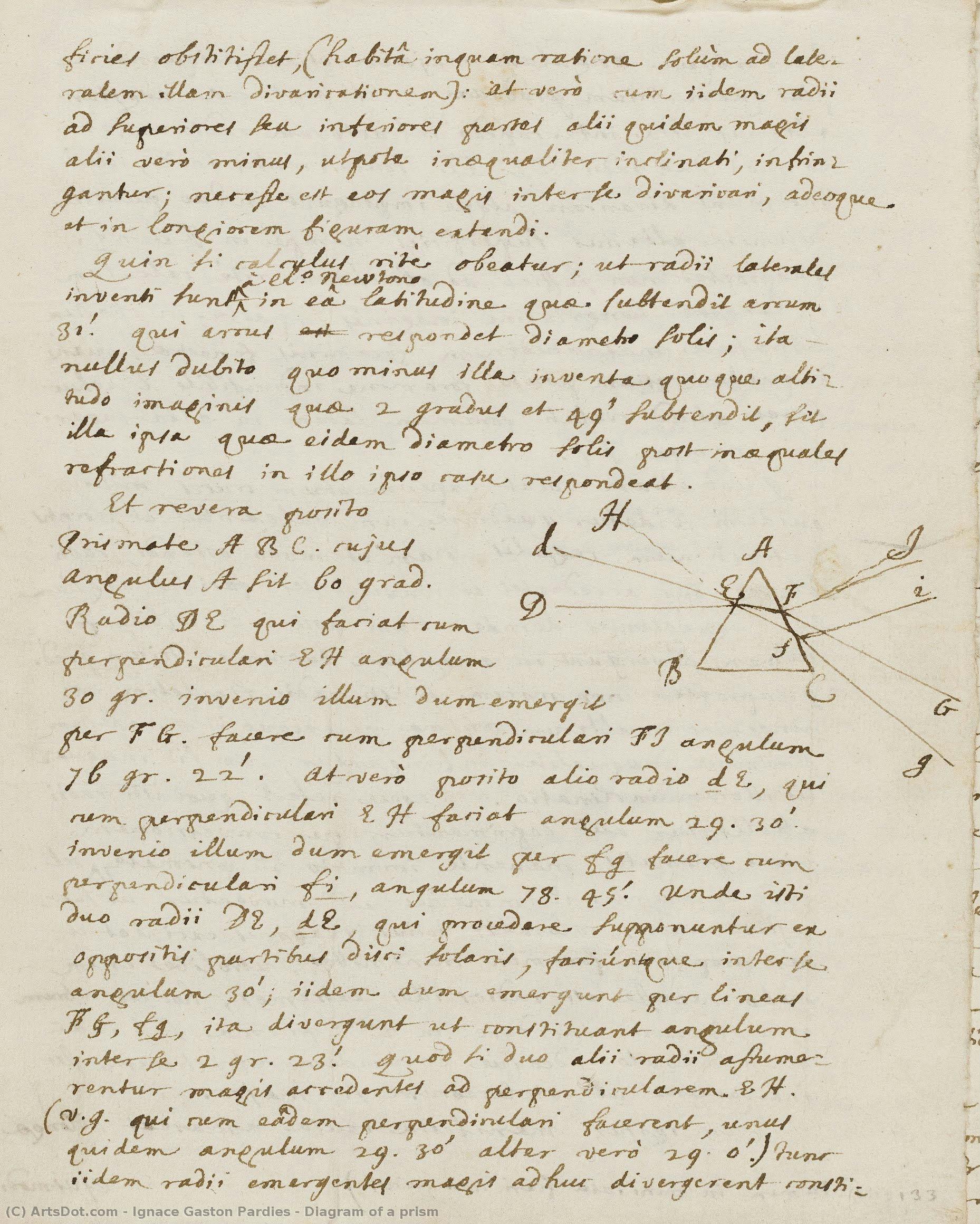
Diagram of a prism


 Read More
Purchase a high-resolution, enhanced digital image, far superior to the online preview.
Each file is meticulously prepared by our in-house specialists using advanced tools and expert manual retouching. We ensure every image has exceptional clarity, precise color accuracy, and fine detail.
The final file is delivered via email within 72 hours, optimized for immediate use in professional, editorial, and print environments. This is the same quality trusted by top-tier design studios, publishers, and galleries.
Digital Image
Download a high-resolution file for personal display, printing, and creative projects. ( Buy Print Buy Hand Made Painting)
Included in Every Digital Image Order
Expert Digital Delivery, Guaranteed
When you choose ArtsDot.com, you're not just getting an image - you're receiving a professionally enhanced digital artwork, crafted with precision and backed by a satisfaction guarantee. Here's everything that comes with your order, automatically:

Fast Email Delivery
Your high-resolution digital image file will be emailed to you within 72 hours of ordering - ready for immediate use.

AI-Enhanced Digital File
Your artwork is professionally optimized using advanced AI tools and manual editing, ensuring maximum detail, clarity, and color accuracy.

Free Lifetime Re-Delivery
Accidentally deleted or lost your file? No worries - we'll resend it to you anytime, free of charge.

No Import Fees - Ever
Enjoy your artwork instantly with zero customs, duties, or delivery fees - digital downloads are always tax-free.

Color Accuracy Guarantee
We ensure your digital image reflects the original colors as closely as possible using professional tools and color management.

60-Day Satisfaction Guarantee
If you're not satisfied with your digital image, we'll revise it or refund 100% within 60 days - no questions asked.

100% Money-Back Guarantee
Not satisfied? Get a full refund within 60 days of receiving your digital file - no questions asked.

Bulk Order Discounts
Buy 3 images, save 10% - Buy 5, save 15% - Buy 10+, save 20%. Great for creative projects, galleries, and agencies.
Related Artworks






Artist Biography
Marcus Gheeraerts the Younger: The Court Painter of Tudor England
Marcus Gheeraerts the Younger (c. 1561/62 – 19 January 1636) stands as a pivotal figure in the artistic landscape of late 16th and early 17th century England, a master portraitist who skillfully navigated the complexities of courtly life and established himself as “the most important artist of quality to serve at the Tudor Court.” Born in Bruges, Belgium – though his exact birthdate remains uncertain – Gheeraerts’ journey led him across Europe before ultimately settling in London, where he spent nearly three decades shaping the visual representation of England's elite. His career was marked by a remarkable ability to capture not just physical likeness but also the very essence and social standing of his subjects, solidifying his place as one of the era’s most sought-after artists.Early Life and Artistic Training
Gheeraerts' artistic lineage began with his father, Marcus Gheeraerts the Elder, a renowned engraver and painter who fled Bruges due to religious persecution. This turbulent backdrop likely instilled in young Marcus a pragmatic approach to his craft – a necessity in a world where patronage was fickle and opportunities scarce. Unlike many of his contemporaries who sought formal training in Italy, Gheeraerts honed his skills within the Netherlands, absorbing the influences of Flemish masters while developing a distinctly individual style. His early apprenticeship with Pieter Lastman in Leiden provided him with foundational knowledge of composition and technique, but it was his subsequent move to Amsterdam that truly propelled his career forward. Amsterdam’s thriving mercantile environment offered a far more fertile ground for an artist seeking commissions than the comparatively stagnant artistic scene of his native Bruges.Arrival in England and Court Service
Around 1568, Gheeraerts embarked on a significant chapter of his life by traveling to England with his father. This marked the beginning of his long and influential service at the Tudor court. He quickly gained recognition for his ability to create portraits that were both flattering and meticulously detailed, reflecting the prevailing trends in aristocratic portraiture. His work became increasingly sought after by prominent figures, including Queen Elizabeth I, whose iconic “Ditchley” portrait – a masterpiece showcasing her regal bearing and carefully constructed image – remains one of the most celebrated images of the era. Gheeraerts’ success wasn't merely based on technical skill; he possessed an astute understanding of courtly etiquette and social dynamics, translating these into his paintings to create works that were not just visually appealing but also strategically aligned with the desired public perception of his subjects.Style and Influences
Gheeraerts’ style was a fascinating blend of influences, reflecting his diverse artistic experiences. He drew heavily from the traditions of Flemish portraiture, characterized by meticulous detail, rich colors, and a subtle use of light and shadow. However, he also absorbed elements from Italian Renaissance art, particularly the works of Raphael and Veronese, evident in the elegant poses and refined compositions of many of his portraits. Notably, he was deeply influenced by Rembrandt van Rijn, whose dramatic chiaroscuro – the skillful manipulation of light and dark – became a defining feature of Gheeraerts’ later work. This influence is particularly apparent in his depictions of figures emerging from darkness, creating an atmosphere of intimacy and psychological depth. He also embraced the colorist style that was gaining traction at the time, incorporating broken colors and vibrant hues to create visually arresting effects.Legacy and Historical Significance
Marcus Gheeraerts the Younger’s impact on English art is undeniable. He played a crucial role in establishing portraiture as a dominant genre during the Tudor period, shaping the visual representation of power and status within the court. His work provides invaluable insights into the personalities and aspirations of England's elite, offering a window into the social and cultural dynamics of the era. Furthermore, Gheeraerts’ career coincided with the “Quarrel of the Colourists,” a heated debate between artists advocating for drawing (line and contour) versus those championing color (light and brushwork). His own innovative approach to color – incorporating broken hues and dramatic lighting – positioned him as a key figure in this artistic discourse, contributing to the evolving aesthetic landscape of 17th-century England. Though his popularity waned after about 1615, Gheeraerts’ legacy endures through his remarkable body of work, which continues to captivate viewers with its elegance, detail, and profound understanding of human character.
ignace gaston pardies
1636 - 1674 , France
Quick Facts
- Artistic Movement Or Style: Tudor portraiture
- Artists Or Movements Influenced By This Artist: ['Charles de La Fosse']
- Artists Who Influenced This Artist: ['Caravaggio']
- Date Of Birth: 1561/1562
- Date Of Death: 1636/1636
- Full Name: Marcus Gheeraerts the Younger
- Nationality: Flemish
- Notable Artworks: ['Ditchley Portrait (Elizabeth I)']
- Place Of Birth: Bruges, Belgium

