 Preview
 Send
Send Share
Share
 Details

 Download
 Similars
 X-Ray
X-Ray Diaporama
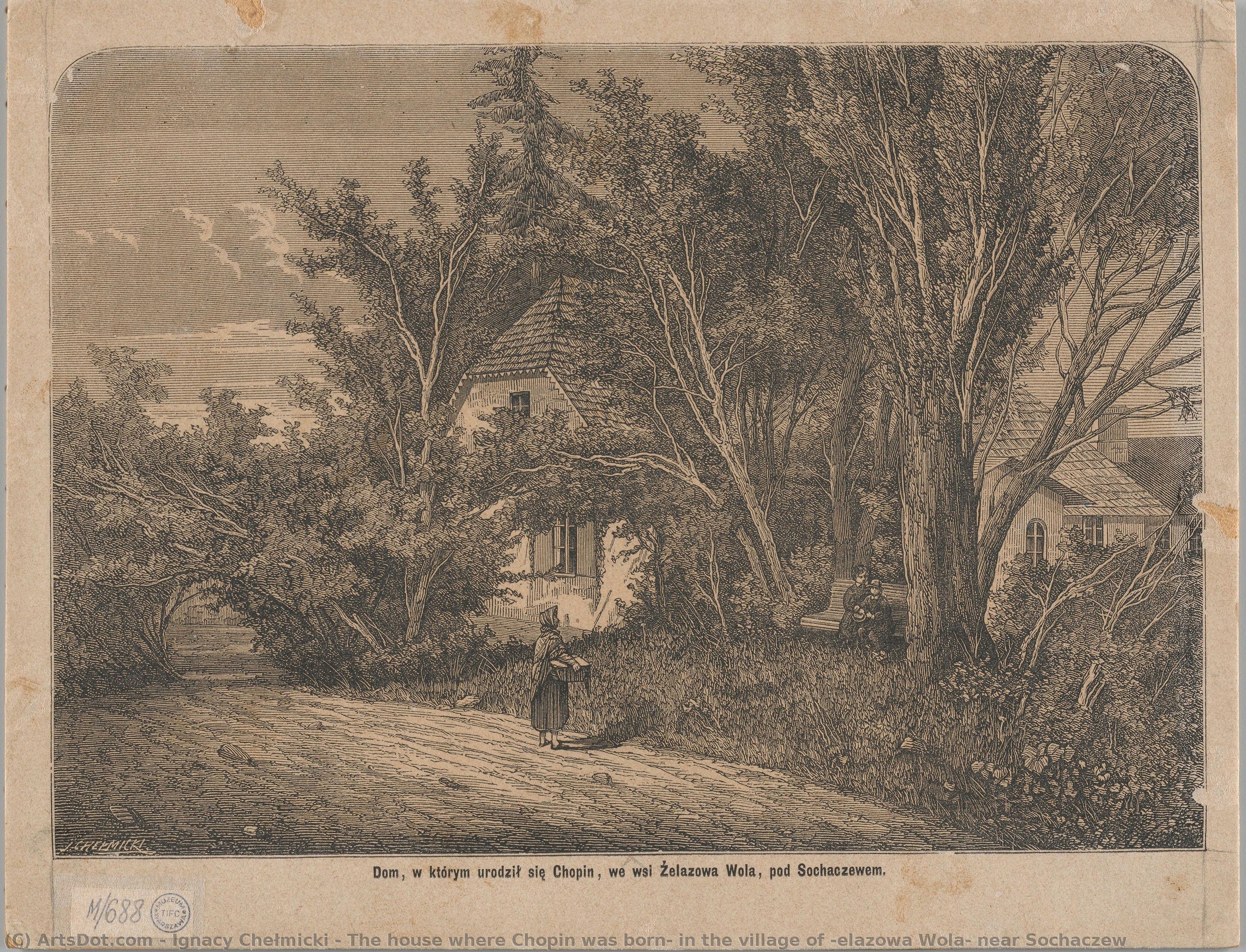
The house where Chopin was born, in the village of Żelazowa Wola, near Sochaczew


 Read More
Hand Made Oil Reproduction
Hand-painted oil on canvas in your size and frame, made to order by our artists. ( Buy Print Buy Image)




P118B $10

P118H $10

P118W $10

P438Z $10

P508JH $12

P508YH $12

P805H $10

P805Z $10

P919BZ $10

P919G $10

P919XJ $10

P959ZH $10

P968JZ $12

W106C $8

W218G $10

W218JH $8

W218Y $10

W307PJ $10

W316G $10

W316PJ $8

W316Y $10

W398PJ $8

W4111J $10

W500HY $15

W500JH $15

W692G $12

W849H $8

W940BG $15

W953PJ $8




Pick from our preset sizes that match the artwork's original proportions.

You may enter your own dimensions to fit a specific frame or space. If your selected size does not match the original image's proportions, we will either crop the artwork or extend the painting with additional hand-painted elements. A digital mockup will be sent for your approval before production begins.
Please note that the on-screen preview does not reflect the actual cropping or extension. Only the mockup will accurately show the final composition.
While custom sizes are available, we recommend selecting a dimension from the predefined list to preserve the original proportions.
After order, ArtsDot.com team will email client for instructions and provide a mockup preview
Worldwide Delivery () in 3/4 weeks instead of standard 5 weeks. (6 September). No compromise on quality.

Free Worldwide Express Shipping

High-Quality Linen Canvas

Full Shipping Insurance

Customs Tax Refund Guarantee

True Color Matching Guarantee

60-Day Return Policy (Defects Only)

100% Money-Back Guarantee

Bulk Discount Offer
 Glass option is only available in size under 110 CM

The house where Chopin was born, in the village of Żelazowa Wola, near Sochaczew
Reproduction Medium
Reproduction Size
-


Total Price
$ 263
A Window into Polish Romanticism
In this evocative black and white drawing, we are transported to the serene landscapes of 19th-century Poland, specifically to the humble yet historically monumental site of Żelazowa Wola. The artwork captures the very birthplace of the legendary composer Fryderyk Chopin, presenting a scene that is as much a historical document as it is a piece of emotive art. Through the delicate lines of Ignacy Chełmicki, the viewer is invited to step into a moment frozen in time, where the quietude of the Polish countryside meets the profound weight of musical history. The composition centers on the modest house, framed by the organic silhouettes of ancient trees that stand as silent witnesses to the passage of eras.
The artist’s mastery lies in his ability to use monochrome tones to create depth and atmosphere without the distraction of color. By stripping away the palette, Chełmicki forces our focus onto texture, light, and form. The interplay of shadow beneath the sprawling branches and the stark outlines of the architecture creates a sense of nostalgic longing. While the presence of modern elements like parked cars provides a curious temporal contrast, they do not diminish the piece's soul; rather, they ground the historical site in a living, breathing reality, suggesting that the legacy of Chopin continues to intersect with the rhythm of contemporary life.
The Artistry of Line and Legacy
Technically, this work showcases the precision characteristic of Chełmicki’s background in graphic arts and wood engraving. Every stroke serves a purpose, defining the rugged bark of the trees and the structural simplicity of the farmhouse with equal reverence. The use of light is particularly striking; it seems to emanate from within the scene itself, casting a soft glow upon the figures standing near the house. These small human presences add a layer of narrative scale, reminding us that this landscape is not merely a vista, but a place of human connection and memory.
For the discerning collector or interior designer, this reproduction offers more than just visual appeal; it provides a conversation piece steeped in cultural significance. The monochromatic aesthetic makes it an incredibly versatile addition to a sophisticated gallery wall or a minimalist study, where it can act as a focal point of quiet contemplation. It brings a sense of "Old World" elegance and intellectual depth to any space, evoking the spirit of Romanticism—a movement defined by its reverence for nature, history, and the sublime. To possess such a piece is to hold a fragment of Poland's artistic and musical heart.
Related Artworks
Artist Biography
Ignacy Chełmicki: A Pioneer of Polish Romantic Landscape Painting
Ignacy Chełmicki (1850-post 1890) stands as a pivotal figure in the history of Polish Romantic landscape painting, recognized for his masterful depictions of the Tatra Mountains and his contribution to establishing a distinctly Polish artistic idiom. Born in Sosnowiec, Silesia, Chełmicki’s formative years were marked by exposure to both German and Polish cultural traditions—a duality that profoundly shaped his artistic sensibilities. He pursued formal training initially at Kraków Academy of Fine Arts, where he honed his skills under the tutelage of Józef Chreptowski, a prominent exponent of Romanticism in Poland.- Early Influences: Chełmicki’s artistic vision was deeply rooted in the traditions of German Romantic landscape painting, particularly the works of Caspar David Friedrich and Wilhelm Leibl. These artists championed sublime landscapes imbued with spiritual significance—a concept that resonated powerfully with Chełmicki's own philosophical inclinations.
- The Tatra Mountains: His fascination with the Tatra Mountains quickly became his primary subject matter. Unlike many of his contemporaries who favored idealized depictions, Chełmicki sought to convey the rugged beauty and emotional power of these peaks with uncompromising realism. He meticulously observed geological formations, atmospheric conditions, and seasonal changes—transforming scientific observation into artistic expression.
Technique and Artistic Style: Embracing Romantic Idealization
Chełmicki’s technique was characterized by a deliberate blend of meticulous detail and expressive brushwork. He employed oil paints on canvas with remarkable precision, capturing subtle nuances of light and color—a hallmark of the Romantic aesthetic. However, he avoided slavish imitation of Friedrich's austere style, opting instead for a more lyrical approach that prioritized conveying emotion rather than mere topographical accuracy. His landscapes pulsated with vitality, reflecting the grandeur of nature and evoking feelings of awe and contemplation. He skillfully utilized atmospheric perspective to create depth and illusion—a technique perfected by Leibl and adopted by Chełmicki as well.- Color Palette: Chełmicki favored a palette dominated by muted tones—greens, browns, blues—reflecting the dominant colors of the Tatra Mountains. Yet, he punctuated these hues with splashes of vibrant color—particularly reds and yellows—to heighten emotional impact.
- Brushwork: His brushstrokes were loose and energetic, conveying movement and dynamism—a stylistic choice that distinguished him from more restrained painters of his time.
Notable Works and Legacy
Chełmicki’s oeuvre comprises numerous landscapes depicting the Tatra Mountains, including “The Tarnów Pass,” “Mount Kościeliska” and “The Dolina Zakopaného.” These paintings are celebrated for their breathtaking beauty and their ability to capture the essence of Polish Romanticism. His work served as inspiration for subsequent generations of artists—establishing a distinctive visual language that continues to influence landscape painting today. He was recognized as one of the foremost Tatra painters, cementing his place in Polish art history.Conclusion: A Voice for Sublime Beauty
Ignacy Chełmicki’s artistic legacy extends beyond mere aesthetic appreciation; it embodies a profound engagement with philosophical ideas about nature and spirituality—values central to Romantic thought. By translating scientific observation into emotive landscape painting, he elevated the Tatra Mountains to iconic status—a testament to his unwavering commitment to capturing the sublime beauty of the natural world. His contribution solidified Polish Romanticism's visual identity and ensured that Chełmicki’s landscapes would endure as symbols of Poland’s artistic heritage for centuries to come.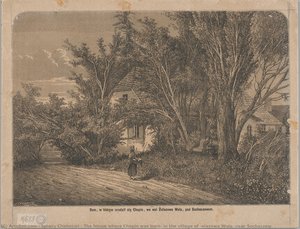
ignacy chełmicki
Poland
Quick Facts
- Artistic Movement Or Style: Graphic Art
- Full Name: Ignacy Chełmicki
- Nationality: Polish
- Notable Artworks: ['The house where Chopin was born']
- Place Of Birth: Poland
Related Articles

White on Canvas: 10 Masterpieces & Timeless Elegance for Your Home Decor
Explore 10 iconic white paintings by Monet, Whistler & Rothko! Discover the stories behind these serene masterpieces and their impact on art history. Find museum-quality reproductions for your home decor at .

Dark Masterpieces: 10 Iconic Paintings Dominated by Black Tones |
Explore 10 iconic paintings dominated by black tones, from Rembrandt’s chiaroscuro to Goya's dark expressions. Discover the stories behind these masterpieces & find museum-quality art reproductions for your home at .

Monochrome Visions: Exploring the Aesthetic & Historical Significance of Black & White Photography
Explore the rich history & artistic power of black and white photography. From early techniques to iconic masters like Ansel Adams, discover why monochrome continues to captivate art lovers today. Expert insights for collectors.

Mars Black Masterpieces: 10 Iconic Paintings & Timeless Art Decor Ideas
Delve into the power of 'Mars Black' with 10 iconic paintings by masters like Rembrandt & Caravaggio. Explore dramatic chiaroscuro, gothic art, and timeless beauty. Find museum-quality reproductions & elevate your home decor on .
The Subtleties of White: Exploring Absence, Light & Symbolism in Art History
Explore the profound symbolism & history of white in art! From ancient purity to modern abstraction, discover how artists have used absence & light. Expert insights from ArtsDot.