 Preview
 Send
Send Share
Share
 Details

 Download
 Similars
 X-Ray
X-Ray Diaporama
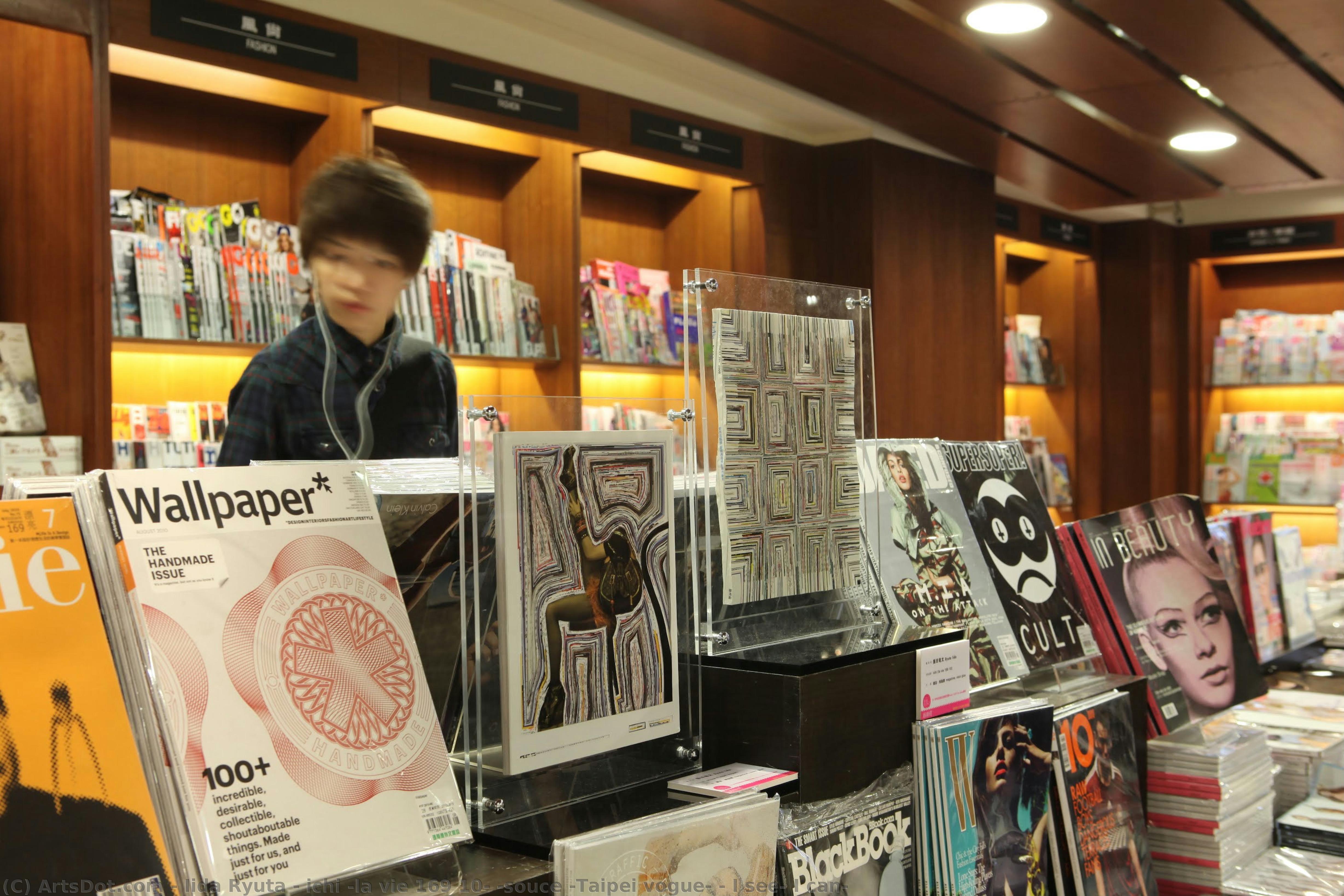
ichi (la vie 169 10) 、souce (Taipei vogue) / I see, I can


 Read More
Giclée / Art Print
Museum-quality giclée or canvas print with fast production and flexible finish options. ( Buy Hand Made Painting Buy Image)




P118B $10

P118H $10

P118W $10

P438Z $10

P508JH $12

P508YH $12

P805H $10

P805Z $10

P919BZ $10

P919G $10

P919XJ $10

P959ZH $10

P968JZ $12

W106C $8

W218G $10

W218JH $8

W218Y $10

W307PJ $10

W316G $10

W316PJ $8

W316Y $10

W398PJ $8

W4111J $10

W500HY $15

W500JH $15

W692G $12

W849H $8

W940BG $15

W953PJ $8




Pick from our preset sizes that match the artwork's original proportions.

You may enter your own dimensions to fit a specific frame or space. If your selected size does not match the original image's proportions, we will either crop the artwork or extend the image with a mirrored or solid-fill edge. A digital mockup will be sent for your approval before production begins.
Please note that the on-screen preview does not reflect the actual cropping or extension. Only the mockup will accurately show the final composition.
While custom sizes are available, we recommend selecting a dimension from the predefined list to preserve the original proportions.
Worldwide Delivery () in 2 weeks instead of standard 4/5 weeks. (1 September)

Free Worldwide Express Shipping

High-Quality Linen Canvas

Full Shipping Insurance

Customs Tax Refund Guarantee

True Color Matching Guarantee

60-Day Return Policy (Defects Only)

100% Money-Back Guarantee

Bulk Discount Offer
 Glass option is only available in size under 110 CM

ichi (la vie 169 10) 、souce (Taipei vogue) / I see, I can
Giclée / Art Print
Reproduction Size
-


Total Price
$ 63
Related Artworks
Artist Biography
The Soul of the Syllable: The Life and Legacy of Iida Ryuta
In the quiet landscapes of Yamanashi Prefecture, where the air carries the weight of tradition and the whispers of ancient poets, Iida Ryuta was born on July 10, 1920. His journey into the heart of Japanese literature was not merely a professional pursuit but a spiritual inheritance. As the son of the renowned haiku poet Dakotsu Iida, Ryuta was immersed in the rhythmic nuances of language from his earliest years. Despite a childhood marked by fragile health and a period spent under the nurturing care of his grandmother, the seeds of a literary giant were being sown. His early education at Sakaigawa Elementary School fostered a profound love for the written word, particularly through the sweeping narratives of Leo Tolstoy, which provided a window into human complexity that would later inform the emotional depth of his minimalist verse.
The evolution of Ryuta’s artistry was deeply rooted in academic rigor and historical reverence. After navigating the challenges of his youth, he graduated from university in 1947, presenting a thesis on the legendary Matsuo Bashō. This deep dive into the life of the master of haiku allowed Ryuta to bridge the gap between classical tradition and the burgeoning modern movement. His early professional life was far removed from the quietude of poetry; he labored as a rice farmer and later navigated the fast-paced world of journalism. However, it was during his tenure as a librarian at the Yamanashi Prefecture Library in Kōfu City that his connection to the literary community solidified, providing him with the scholarly environment necessary to refine his craft.
A Master of Modern Haiku
Ryuta’s emergence as a creative force in 1954 marked a transformative era for modern haiku. He did not merely write poetry; he breathed new life into a traditional form, infusing it with a contemporary sensibility that resonated with the post-war Japanese consciousness. His work is celebrated for its remarkable ability to capture profound emotional truths through extreme simplicity. Through his mastery of the seventeen-syllable structure, he could evoke vast landscapes and intimate human struggles with a single, well-placed image. This delicate balance of brevity and depth earned him significant acclaim, including the Yamanaki Literary Prize in 1956 and the Modern Haiku Association Award in 1957.
Beyond his individual verses, Ryuta was a pillar of the literary establishment. His influence expanded through several key roles:
- Editor of Unmo: Following his father's passing in 1962, he took the helm of this prestigious haiku magazine, guiding the direction of modern Japanese poetry for years.
- Journalistic Voice: As a columnist for the local newspaper Mica, he maintained a continuous dialogue with the public, bringing poetic thought into the daily lives of his readers.
- Literary Guardian: His scholarly dedication ensured that the legacy of masters like Bashō remained relevant to new generations of writers.
Enduring Significance and Literary Triumph
The twilight of Ryuta’s life was characterized by the highest honors a man of letters could achieve. In 1969, he was bestowed with the 20th Yomiuri Literary Prize, a testament to his standing among the elite of Japanese intellectuals. His career was a lifelong commitment to the idea that poetry is a living, breathing entity capable of evolving alongside society. The sheer scale of his contribution is perhaps best measured by the publication of his complete works, a monumental ten-volume collection released by Kadokawa Shoten in 2005, shortly before his passing on February 25, 2007.
Today, Iida Ryuta is remembered not just as a poet, but as an architect of modern feeling. His ability to weave the simplicity of nature with the complexities of the human heart remains a benchmark for excellence in haiku. To read Ryuta is to experience a world where every breath and every falling leaf carries a weight of eternal significance, ensuring his place in the pantheon of the world's greatest literary masters.

iida ryuta
1920 - 2007 , Japan
Quick Facts
- Artistic Movement Or Style: 1920s Art Deco
- Artists Or Movements Influenced By This Artist:
- Dada
- Surrealism
- Expressionism
- Date Of Death: 2007
- Place Of Birth: WahooArt
Related Articles

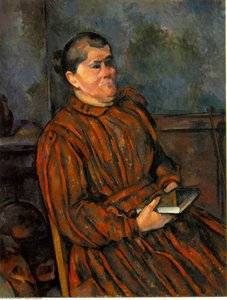
Crimson Threads of Narrative: Exploring Symbolism & Representation in Artworks Featuring the Red Dress
Explore the rich symbolism of the red dress in art history! From ancient power displays to iconic portraits like Cézanne’s 'Madame Cezanne', discover the cultural and artistic significance behind this captivating color. Expert analysis & insights.

Bronze Sculptures That Defined Art History | ArtsDot
Journey through art history with our Top 10 bronze sculptures! Explore masterpieces by Rodin, Michelangelo & more. Discover stories behind iconic statues and find museum-quality reproductions for your home decor at ArtsDot.com.

The Enduring Form: Exploring Themes & Techniques in Sculpture Across Historical Periods
Explore the rich history of sculpture from ancient masterpieces to contemporary innovations. Discover key techniques, influential artists & investment potential for discerning art collectors.

Bronze Age to Modern Masters: 10 Sculptures That Redefined Art | ArtsDot
Journey through art history with 10 legendary bronze sculptures – from Michelangelo's David to Rodin’s Thinker. Explore the stories, techniques & timeless beauty of these masterpieces. Find museum-quality reproductions & elevate your home decor on ArtsDot.com.

The Enduring Form: Sculpture Across History, Technique & Emotional Resonance
Explore the rich history of sculpture with ArtsDot. Discover key techniques, influential artists & investment potential for discerning collectors. Expert insights into valuing and collecting timeless masterpieces.