


 Preview
 Send
Send Share
Share
 Details

 Download
 Similars
 X-Ray
X-Ray Diaporama
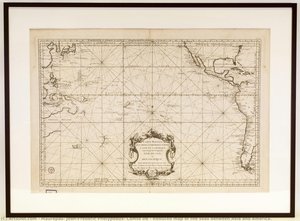
Painting of Joseon Tongsinsa


 Read More
Giclée / Art Print
Museum-quality giclée or canvas print with fast production and flexible finish options. ( Buy Hand Made Painting Buy Image)




P118B $10

P118H $10

P118W $10

P438Z $10

P508JH $12

P508YH $12

P805H $10

P805Z $10

P919BZ $10

P919G $10

P919XJ $10

P959ZH $10

P968JZ $12

W106C $8

W218G $10

W218JH $8

W218Y $10

W307PJ $10

W316G $10

W316PJ $8

W316Y $10

W398PJ $8

W4111J $10

W500HY $15

W500JH $15

W692G $12

W849H $8

W940BG $15

W953PJ $8




Pick from our preset sizes that match the artwork's original proportions.

You may enter your own dimensions to fit a specific frame or space. If your selected size does not match the original image's proportions, we will either crop the artwork or extend the image with a mirrored or solid-fill edge. A digital mockup will be sent for your approval before production begins.
Please note that the on-screen preview does not reflect the actual cropping or extension. Only the mockup will accurately show the final composition.
While custom sizes are available, we recommend selecting a dimension from the predefined list to preserve the original proportions.
Worldwide Delivery () in 2 weeks instead of standard 4/5 weeks. (30 August)

Free Worldwide Express Shipping

High-Quality Linen Canvas

Full Shipping Insurance

Customs Tax Refund Guarantee

True Color Matching Guarantee

60-Day Return Policy (Defects Only)

100% Money-Back Guarantee

Bulk Discount Offer
 Glass option is only available in size under 110 CM

Painting of Joseon Tongsinsa
Giclée / Art Print
Reproduction Size
-


Total Price
$ 53
Related Artworks

Artist Biography
A Brush with the Floating World: The Life and Art of Ikeda Teisai
Ikeda Teisai (池田 貞哉, 1799 – 1859) emerged from the vibrant artistic landscape of Edo-period Tokyo as a significant figure in *ukiyo-e*, the “pictures of the floating world.” While not perhaps as universally recognized as some of his contemporaries like Hokusai or Hiroshige, Teisai’s contributions to portraiture and kabuki theater prints are nonetheless compelling, offering a fascinating glimpse into the cultural life of 19th-century Japan. Born in Tokyo, he dedicated his career to capturing the ephemeral beauty and dramatic energy of his time, leaving behind a body of work that continues to resonate with its technical skill and sensitive observation. His life coincided with a period of relative peace and prosperity under the Tokugawa shogunate, allowing for a flourishing of arts and entertainment – a world Teisai meticulously documented.Apprenticeship and Early Influences
Teisai’s artistic journey began as a student under Toyokuni III, one of the most prominent *ukiyo-e* artists of the era. This apprenticeship was crucial in shaping his style and establishing his professional foundation. Toyokuni III was renowned for his depictions of actors, courtesans, and scenes from popular plays, and Teisai absorbed these techniques with diligence. The influence is readily apparent in Teisai’s early works, which often feature the characteristic elegance and refined detail associated with the Toyokuni school. However, Teisai wasn't merely an imitator; he gradually developed his own distinct voice, marked by a subtle realism and a keen eye for capturing individual personality. The *ukiyo-e* tradition itself was deeply rooted in the commercial demands of Edo society. Prints were affordable and widely circulated, serving as both entertainment and fashion statements. This context shaped Teisai’s approach to art – he understood his role as a chronicler of popular culture, catering to the tastes of a broad audience while simultaneously striving for artistic excellence.Portraits of Kabuki Stars: A Defining Focus
Teisai Ikeda truly distinguished himself through his portraits of *kabuki* actors. Kabuki, a classical Japanese dance-drama known for its elaborate costumes and stylized performances, was immensely popular during the Edo period. Actors were celebrated as cultural icons, and their likenesses adorned countless prints. Teisai excelled at capturing not only the physical appearance of these performers but also their stage personas – the power, grace, and emotional intensity they projected on stage. His portraits are notable for their dynamic compositions, vibrant colors, and meticulous attention to detail in rendering costumes and makeup. He skillfully employed techniques like *okubi-e* (large head portraits) to emphasize the actors’ expressions and convey their unique characters. These prints weren't simply representations; they were carefully constructed images designed to appeal to fans and reinforce the actors’ celebrity status.Beyond Kabuki: Landscapes and Historical Subjects
While best known for his actor portraits, Teisai’s artistic range extended beyond the theater world. He also produced landscapes, illustrations for books, and historical scenes. His landscape prints, though less numerous than his *kabuki* works, demonstrate a sensitivity to natural beauty and a mastery of perspective. One particularly noteworthy example is “Painting of Joseon Tongsinsa” (1839), which depicts a Korean map painting showcasing history & artistry. This work reveals Teisai’s ability to adapt his skills to different subjects and explore new artistic challenges. His engagement with historical themes suggests an interest in broader cultural narratives, moving beyond the immediate spectacle of contemporary life. His versatility underscores his position as a skilled and adaptable artist within the *ukiyo-e* tradition.Legacy and Historical Significance
Ikeda Teisai’s work provides valuable insight into the social and cultural dynamics of Edo-period Japan. His portraits offer a vivid record of *kabuki* actors and their performances, while his landscapes reflect the aesthetic sensibilities of the time. Although he may not be as widely celebrated as some of his contemporaries, Teisai's technical skill, artistic sensitivity, and dedication to capturing the essence of his subjects make him an important figure in the history of *ukiyo-e*. His prints continue to be admired for their beauty, detail, and ability to transport viewers back to a fascinating era. The preservation of his works allows us to appreciate the richness and complexity of Japan’s “floating world” – a world that Teisai Ikeda so skillfully brought to life through his art.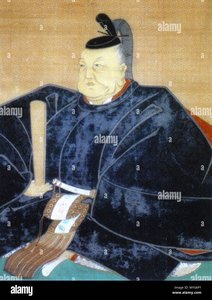
ikeda teisai
1799 - 1859 , Japan
Quick Facts
- Artistic Movement Or Style: Ukiyo-e
- Artists Who Influenced This Artist: ['Toyokuni III']
- Date Of Birth: 1799
- Date Of Death: 1859
- Full Name: Ikeda Teisai
- Nationality: Japanese
- Notable Artworks: ['Painting of Joseon Tongsinsa']
- Place Of Birth: Tokyo, Japan
Related Articles
Mapping Beauty: Transform Your Space with Stunning Topographical Artworks
Elevate your interiors with breathtaking topographical art. From vintage cartography to textured 3D reliefs, discover how hand-painted maps and historical landscapes can transform any room into a sophisticated sanctuary of discovery and timeless beauty.
Yi Eungro: Bridging East & West in the Landscape of Korean Modernism
Explore the captivating world of Yi Eungro (Lee Ungno), a pivotal figure in Korean modernism. Discover his unique fusion of Eastern and Western artistic traditions, abstract masterpieces, and lasting legacy. A must-read for discerning art collectors.


