 Preview
 Send
Send Share
Share
 Details

 Download
 Similars
 X-Ray
X-Ray Diaporama
 Stats
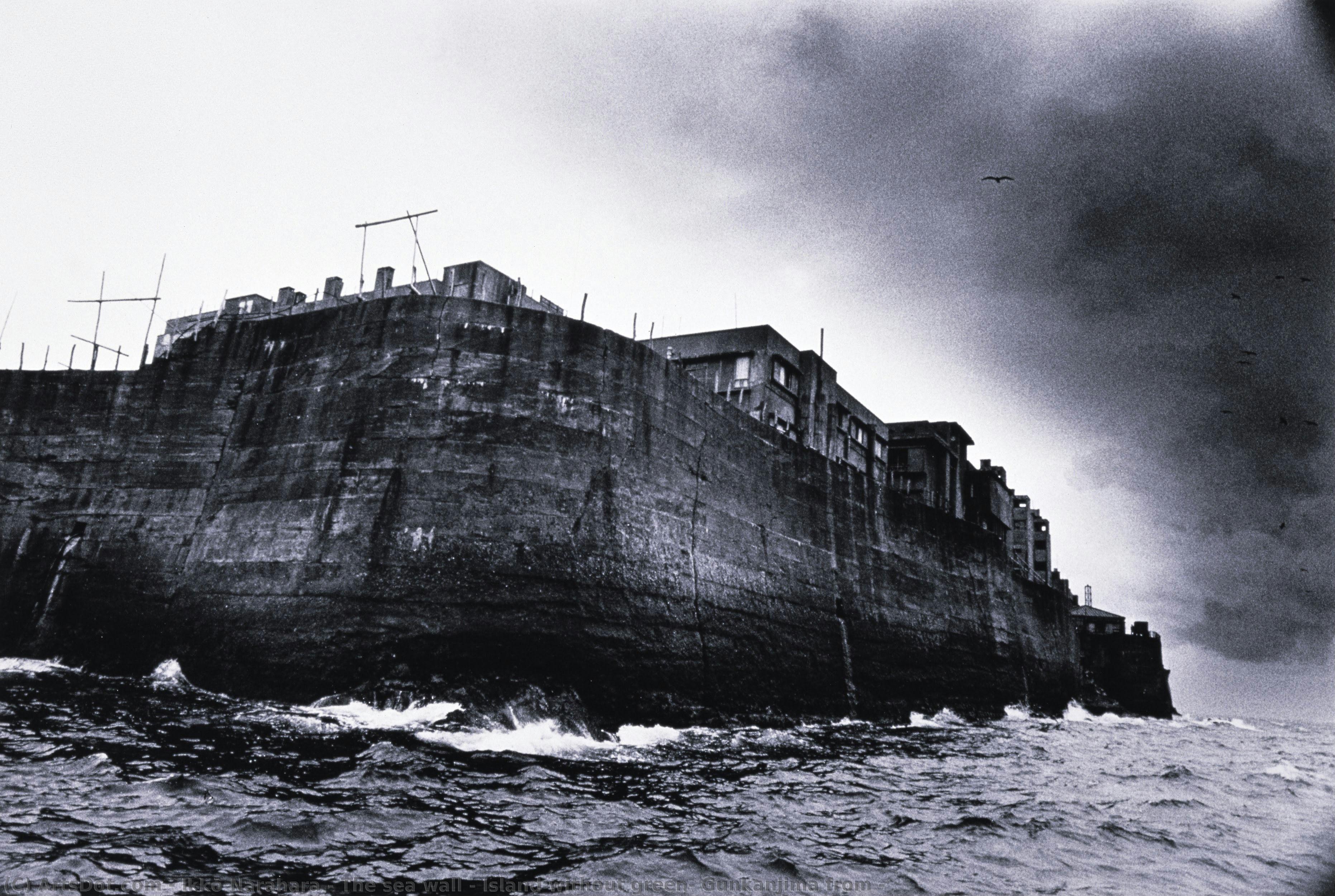
StatsThe sea wall / Island without green, Gunkanjima from

 Read More
Hand Made Oil Reproduction
Hand-painted oil on canvas in your size and frame, made to order by our artists. ( Switch to Print Switch to Digital Image)




































Pick from our preset sizes that match the artwork's original proportions.

You may enter your own dimensions to fit a specific frame or space. If your selected size does not match the original image's proportions, we will either crop the artwork or extend the painting with additional hand-painted elements. A digital mockup will be sent for your approval before production begins.
Please note that the on-screen preview does not reflect the actual cropping or extension. Only the mockup will accurately show the final composition.
While custom sizes are available, we recommend selecting a dimension from the predefined list to preserve the original proportions.
After order, ArtsDot.com team will email client for instructions and provide a mockup preview
Worldwide Delivery () in 3/4 weeks instead of standard 5 weeks. (8 September). No compromise on quality.

Free Worldwide Express Shipping

High-Quality Linen Canvas

Full Shipping Insurance

Customs Tax Refund Guarantee

True Color Matching Guarantee

100-Day Return Policy (Defects Only)

100% Money-Back Guarantee

Bulk Discount Offer
 Glass option is only available in size under 110 CM

The sea wall / Island without green, Gunkanjima from
Reproduction Medium
Reproduction Size
-


Total Price
$ 263
Related Artworks




Artist Biography
Ikko Narahara (1931–2020): A Pioneer of Japanese Documentary Photography
Ikko Narahara (奈良原 一高, Narahara Ikkō; November 3, 1931 – January 19, 2020) was a Japanese photographer whose distinctive approach to documentary filmmaking blended traditional aesthetics with groundbreaking photographic techniques. Born in Fukuoka Prefecture, he embarked on a prolific career that spanned decades and cemented his place as one of Japan’s most influential visual artists of the postwar era.
Early Life and Education
Narahara's formative years were marked by exposure to Buddhist statues at Nara—a pilgrimage site revered for its ancient temples and artistic treasures—which profoundly shaped his aesthetic sensibilities. He pursued formal education diligently, earning a law degree from Chuo University in 1954 before delving into art history at Waseda University, where he obtained an MA in 1959. This academic grounding provided him with the intellectual framework to critically examine and reinterpret visual culture.
Career Beginnings and Influences
His artistic journey commenced in 1955 with membership in Jitsuzaisha (実写真社), a collective of avant-garde artists who championed realism and challenged conventional artistic conventions. This collaboration fostered experimentation and established him within the burgeoning Japanese art scene. Notably, he befriended Shomei Tomatsu, Eikoh Hosoe, Akira Sato and Akira Tano—artists who would become fellow members of VIVO (ヴィヴォ), a pioneering photographic cooperative that explored social issues with uncompromising honesty.
Photographic Style and Technique
Narahara’s photographic style distinguished itself through the masterful use of gelatin silver print – a technique favored by masters like Julius Mordecai Pinchas and Gustave Moreau—resulting in images imbued with a dreamlike quality. He embraced wide-angle lenses, including hemispherical fisheye lenses, to capture expansive landscapes and intimate interiors alike. His artistic vision drew inspiration from diverse sources, ranging from the monumental sculptures of Nara to the stylistic explorations of artists such as Man Ray, Georges Braque and Claude Monet.
Notable Works and Legacy
Narahara’s oeuvre encompasses a remarkable range of subjects—from desolate villages ravaged by natural disasters to austere monastic dwellings—each meticulously documented with unwavering attention to detail. Among his most celebrated achievements is “Man Ray: Untitled (Aztec figurine of the goddess tlazoteotl),” which resides in the collection of the Museum of Modern Art in New York, showcasing his ability to distill complex narratives into striking visual representations. Other significant projects include “Josef Albers: Dessau” and “Georges Braque: Man with a Guitar,” demonstrating his commitment to artistic dialogue and pushing the boundaries of photographic expression.
His influence extends beyond his own lifetime, inspiring subsequent generations of photographers who continue to champion authenticity and explore unconventional perspectives. Narahara’s legacy as a visionary artist—a testament to the transformative power of observation and meticulous craftsmanship—remains firmly enshrined in the annals of Japanese art history.

ikkō narahara
1931 - 2020 , Japan
Quick Facts
- Artistic Movement Or Style: Gelatin silver print photography; blending traditional japanese aesthetics & modern techniques.
- Artists Or Movements Influenced By This Artist: ['Diane Arbus']
- Artists Who Influenced This Artist:
- Atsuko Tanaka
- Goyo Hashiguchi
- Julius mordecai pincas
- Gustave moreau
- Claude monet
- Date Of Birth: None, Japan
- Date Of Death: 2020
- Full Name: Ikkō Narahara
- Nationality: Japanese
- Notable Artworks:
- Man ray: untitled (aztec figurine of the goddess tlazoteotl)
- Josef albers: el lissitzky, dessau
- Georges braque: man with a guitar
- Place Of Birth: Fukuoka Prefecture, Japan