

 Preview
 Send
Send Share
Share
 Details

 Download
 Similars
 X-Ray
X-Ray Diaporama
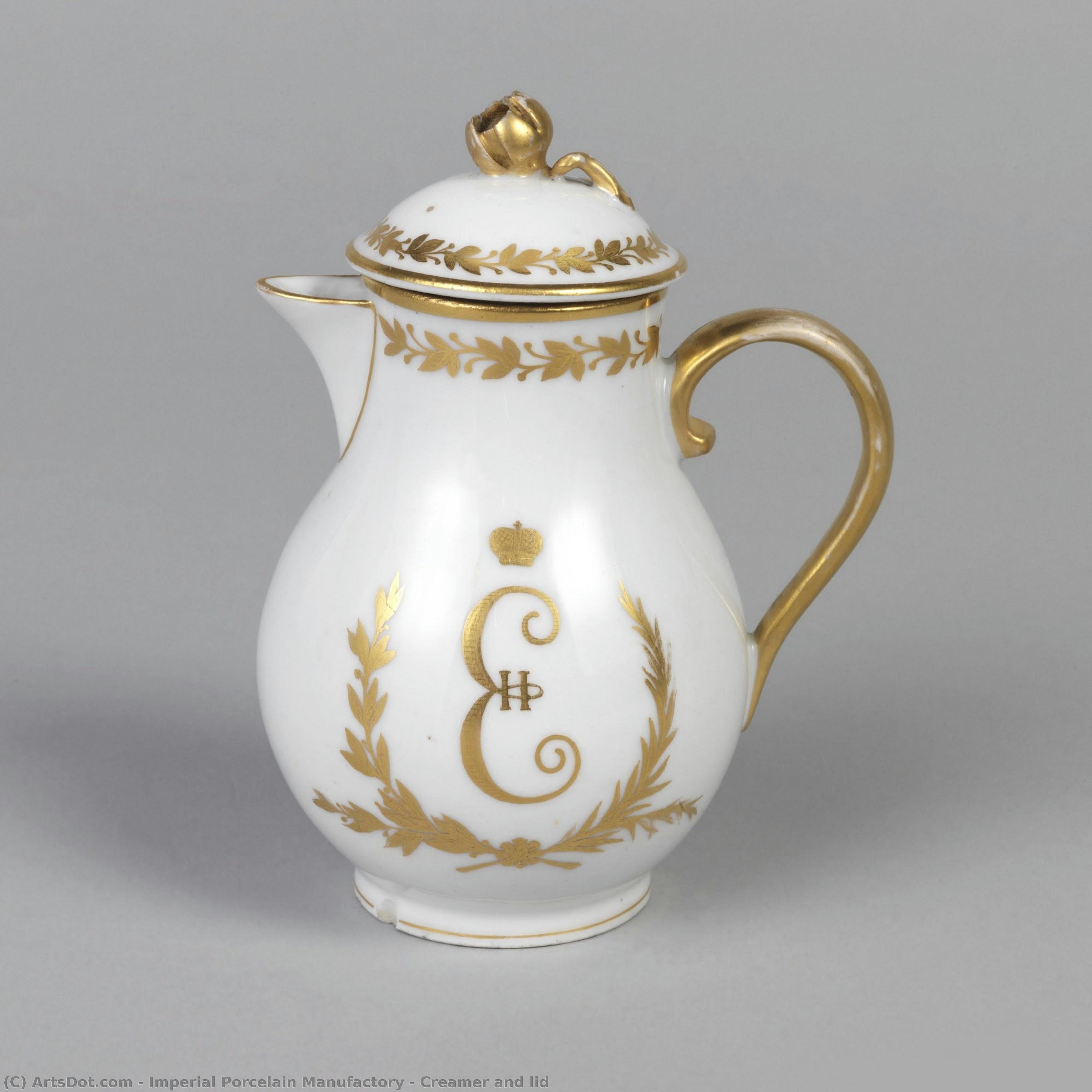
Creamer and lid

 Read More
Purchase a high-resolution, enhanced digital image, far superior to the online preview.
Each file is meticulously prepared by our in-house specialists using advanced tools and expert manual retouching. We ensure every image has exceptional clarity, precise color accuracy, and fine detail.
The final file is delivered via email within 72 hours, optimized for immediate use in professional, editorial, and print environments. This is the same quality trusted by top-tier design studios, publishers, and galleries.
Digital Image
Download a high-resolution file for personal display, printing, and creative projects. ( Buy Print Buy Hand Made Painting)
Included in Every Digital Image Order
Expert Digital Delivery, Guaranteed
When you choose ArtsDot.com, you're not just getting an image - you're receiving a professionally enhanced digital artwork, crafted with precision and backed by a satisfaction guarantee. Here's everything that comes with your order, automatically:

Fast Email Delivery
Your high-resolution digital image file will be emailed to you within 72 hours of ordering - ready for immediate use.

AI-Enhanced Digital File
Your artwork is professionally optimized using advanced AI tools and manual editing, ensuring maximum detail, clarity, and color accuracy.

Free Lifetime Re-Delivery
Accidentally deleted or lost your file? No worries - we'll resend it to you anytime, free of charge.

No Import Fees - Ever
Enjoy your artwork instantly with zero customs, duties, or delivery fees - digital downloads are always tax-free.

Color Accuracy Guarantee
We ensure your digital image reflects the original colors as closely as possible using professional tools and color management.

60-Day Satisfaction Guarantee
If you're not satisfied with your digital image, we'll revise it or refund 100% within 60 days - no questions asked.

100% Money-Back Guarantee
Not satisfied? Get a full refund within 60 days of receiving your digital file - no questions asked.

Bulk Order Discounts
Buy 3 images, save 10% - Buy 5, save 15% - Buy 10+, save 20%. Great for creative projects, galleries, and agencies.
Related Artworks







Artist Biography
The Imperial Legacy: A Journey Through Russia’s Porcelain Masters
Nestled within the opulent heart of Saint Petersburg, the Imperial Porcelain Manufactory stands as a testament to centuries of artistic dedication and royal patronage. Established in 1744 by Dmitry Ivanovich Vinogradov under the auspices of Empress Elizabeth, this venerable institution has not merely produced exquisite ceramics; it has shaped Russian art history, reflecting the evolving tastes, political currents, and cultural aspirations of the nation. More than just a factory, it’s a living chronicle of Russia's imperial ambitions, artistic evolution, and enduring legacy in the world of fine arts.
Initially known as the Lomonosov Porcelain Factory – a nod to the influential scientist Mikhail Lomonosov who provided crucial technical expertise – the enterprise quickly gained prominence under Elizabeth’s watchful eye. The early years were marked by an ambitious pursuit of replicating the coveted hard-paste porcelain pioneered in Saxony, Germany. Vinogradov's meticulous study of European techniques, combined with access to Russian mineral resources, culminated in a factory capable of producing remarkably high-quality ceramics. These initial wares, largely destined for royal collections and diplomatic gifts, showcased a refined elegance, often mirroring the styles prevalent in Meissen, but imbued with a distinctly Russian sensibility.
A Royal Patronage: Catherine the Great and Artistic Flourishing
The reign of Catherine the Great (1762-1796) proved to be a golden age for the Imperial Porcelain Factory. Recognizing its potential as both an artistic center and a symbol of imperial power, she bestowed upon it unprecedented support, transforming it into a cornerstone of St. Petersburg’s cultural landscape. Under her influence, the factory's output diversified dramatically, moving beyond purely ceremonial pieces to encompass a wider range of decorative subjects. Notably, the factory began producing figures depicting Russian national types – peasants, Cossacks, and ethnic minorities – reflecting Catherine’s interest in promoting a unified national identity. These works, meticulously modeled after engravings from Johann Gottlieb Georghi's “Description if All the Peoples Inhabiting the Russian State,” became iconic representations of Russian culture, solidifying the factory’s role as a chronicler of the empire.
This period also witnessed significant stylistic developments. The influence of Neoclassicism, championed by Catherine herself, permeated the factory's designs, resulting in grand vases adorned with intricate floral motifs and allegorical scenes. Simultaneously, the factory continued to draw inspiration from Chinese porcelain, adapting its techniques and aesthetics to create a unique blend of European sophistication and Eastern artistry.
The Rise of Moritz Michael Daffinger: A Viennese Master
The late 18th and early 19th centuries saw the arrival of Moritz Michael Daffinger (1790-1849), an Austrian Biedermeier painter renowned for his exquisite miniature portraits and delicate flower paintings. Appointed as a chief designer at the Imperial Porcelain Factory in 1829, Daffinger revolutionized the factory’s aesthetic with his mastery of detail and naturalism. His influence is particularly evident in the factory's production of floral motifs – roses, lilies, and irises – rendered with breathtaking precision and realism. His work also extended to portraiture, introducing a new level of sophistication to the factory’s repertoire. Remarkably, Daffinger’s portrait even graced the 20 Schilling banknote issued by Austria in 1849, further cementing his legacy as a master artist.
From Propaganda to Socialist Realism: A Century of Transformation
Following the Russian Revolution of 1917, the Imperial Porcelain Factory underwent a dramatic transformation. Initially renamed the Lomonosov Porcelain Factory, it continued to produce ceramics during World War I, supplying essential crockery for hospitals and military personnel. In the subsequent years, under Soviet rule, the factory embraced socialist realism, producing propaganda pieces depicting workers, peasants, and heroic figures of the revolution. These works, characterized by bold colors and simplified forms, served as powerful tools for promoting communist ideology. Despite this shift in artistic direction, the factory retained its reputation for technical excellence and craftsmanship.
In 2005, after decades of Soviet rule, the factory was restored to its original name – Imperial Porcelain Manufactory – marking a symbolic return to its imperial heritage. Today, the factory continues to produce exquisite porcelain wares, blending traditional techniques with contemporary designs, ensuring that this remarkable institution remains at the forefront of Russian art and craftsmanship.
A Legacy Enduring: Collections and Continued Significance
The Imperial Porcelain Manufactory’s impact extends far beyond its own walls. Its creations have graced palaces worldwide, including those in St. Petersburg, Moscow, and other imperial residences. The factory's works are now housed in prestigious museums around the globe, including the Metropolitan Museum of Art in New York and numerous collections in Russia. The enduring appeal of Imperial Porcelain lies not only in its aesthetic beauty but also in its historical significance – a tangible link to Russia’s rich cultural heritage and imperial past. The factory continues to be a vital part of St. Petersburg's artistic landscape, preserving traditions while embracing innovation, ensuring that the legacy of the Imperial Porcelain Manufactory will continue to inspire for generations to come.
imperial porcelain manufactory
1744 - , Russia
Quick Facts
- Artistic Movement Or Style: Hand-painted ceramics
- Artists Or Movements Influenced By This Artist:
- Meissen porcelain
- Chinese porcelain
- Artists Who Influenced This Artist: ['Dmitry Ivanovich Vinogradov']
- Date Of Birth: 1744, Saint Petersburg
- Date Of Death: Living
- Full Name: Imperial Porcelain Manufactory
- Nationality: Russian
- Notable Artworks:
- Creamer and lid
- Candelabra from the Order...
- Imperial Porcelain Manufactory
- Place Of Birth: Saint Petersburg, Russia

