 Preview
 Send
Send Share
Share
 Details

 Download
 Similars
 X-Ray
X-Ray Diaporama
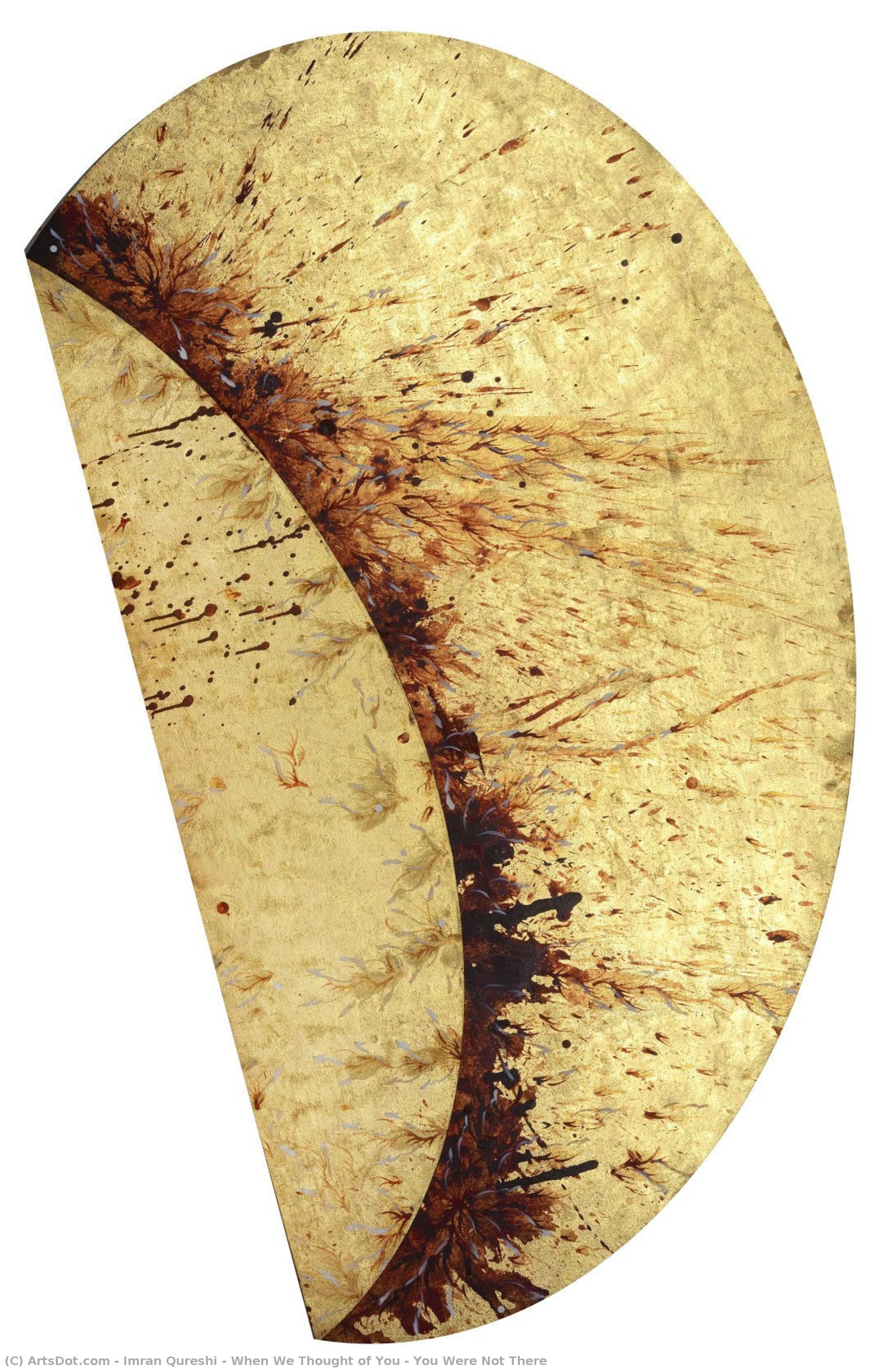
When We Thought of You – You Were Not There


 Read More
Giclée / Art Print
Museum-quality giclée or canvas print with fast production and flexible finish options. ( Buy Hand Made Painting Buy Image)




































Pick from our preset sizes that match the artwork's original proportions.

You may enter your own dimensions to fit a specific frame or space. If your selected size does not match the original image's proportions, we will either crop the artwork or extend the image with a mirrored or solid-fill edge. A digital mockup will be sent for your approval before production begins.
Please note that the on-screen preview does not reflect the actual cropping or extension. Only the mockup will accurately show the final composition.
While custom sizes are available, we recommend selecting a dimension from the predefined list to preserve the original proportions.
Worldwide Delivery () in 2 weeks instead of standard 4/5 weeks. (24 August)

Free Worldwide Express Shipping

High-Quality Linen Canvas

Full Shipping Insurance

Customs Tax Refund Guarantee

True Color Matching Guarantee

60-Day Return Policy (Defects Only)

100% Money-Back Guarantee

Bulk Discount Offer
 Glass option is only available in size under 110 CM

When We Thought of You – You Were Not There
Giclée / Art Print
Reproduction Size
-


Total Price
$ 63
Collectible Description
The Poetics of Absence: A Glimpse into Qureshi’s Vision
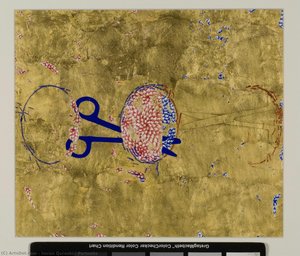
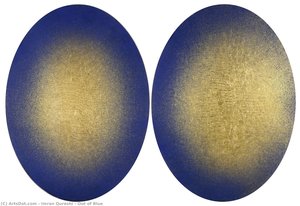
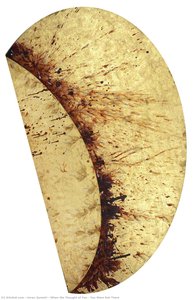
In the evocative piece "When We Thought of You – You Were Not There," artist Imran Qureshi invites the viewer into a profound meditation on memory, loss, and the lingering traces of what has passed. At first glance, the work presents a striking, almost primal focal point: a sun-drenched yellow circle, textured with organic brown spots that suggest the weathered patina of ancient wood or the ripening of fruit. This central orb acts as a celestial eye, watching over a landscape of shadows and movement. The composition is masterfully balanced, utilizing dark, rhythmic black streaks in the background to create a sense of depth and cosmic motion, pulling the observer into a space where time feels both suspended and fleeting.
The painting serves as a poignant window into Qureshi’s unique ability to blend the meticulous precision of the Mughal miniature tradition with the raw, expressive energy of contemporary abstraction. While his roots lie in the disciplined techniques learned at the National College of Arts in Lahore, this particular work transcends mere representation. It moves toward a symbolic language where color and form carry the weight of human emotion. The interplay between the warmth of the yellow sphere and the stark, encroaching darkness evokes the bittersweet nature of nostalgia—the way a bright memory can be shadowed by the realization of an irrevocable absence.
A Tapestry of Technique and Symbolism
To behold this artwork is to witness a masterclass in texture and symbolic layering. Qureshi utilizes a technique that feels both ancient and avant-garde, where the surface of the painting mimics the tactile qualities of natural elements. The spotted texture within the golden circle suggests a biological or geological process, hinting at themes of decay and rebirth. This organic imperfection is what gives the piece its visceral, breathing quality, making it feel less like a static image and more like a living fragment of a larger, untold story.
For the discerning collector or interior designer, this piece offers an unparalleled emotional resonance. It possesses a quiet strength that commands attention without overwhelming its surroundings. The abstract elements allow for multiple interpretations, making it a versatile centerpiece for sophisticated spaces—be it a minimalist gallery setting or a richly textured study. The work does not merely decorate a wall; it anchors a room with its contemplative weight, offering a focal point that encourages introspection and invites the eye to wander through its dark, streaked horizons.
Ultimately, "When We Thought of You – You Were Not There" is an invitation to sit with the concept of presence and absence. It captures that universal, haunting moment when we reach for a memory only to find it has slipped through our fingers. Through his masterful use of light, shadow, and symbolic geometry, Imran Qureshi has created a timeless masterpiece that resonates far beyond the canvas, making it an essential acquisition for those who seek art that speaks to the very soul of the human condition.
Related Artworks

Artist Biography
Imran Qureshi: Weaver of Trauma and Transcendence
Imran Qureshi’s work is a visceral, deeply affecting exploration of the human condition—a collision of ancient traditions and contemporary anxieties. Born in Hyderabad, Pakistan, in 1972, into a family steeped in culinary heritage (his grandfather was a renowned chef), Qureshi initially pursued a path in law before finding his true calling within the rich tapestry of miniature painting, a tradition he meticulously studied at the National College of Arts in Lahore. However, it wasn’t simply a revival of this classical art form that defined him; rather, he harnessed its intricate techniques and symbolic language to address profound social and political realities, forging a distinctly modern voice within a venerable artistic lineage.
Qureshi's early career was marked by a gradual shift away from purely representational miniature painting. He began experimenting with abstraction, initially incorporating elements of the “Contemporary Miniature” style—a technique he pioneered that blends traditional motifs with bold, expressive brushstrokes and unconventional materials. This experimentation culminated in his groundbreaking use of blood-red paint, a deliberate provocation introduced after witnessing the devastating bombings in Lahore in 2011. This wasn’t merely an aesthetic choice; it was a direct engagement with the violence and suffering that permeated Pakistani society, transforming the canvas into a visual record of trauma and loss. The crimson hues, applied with a frenetic energy reminiscent of both Mughal miniatures and abstract expressionism, became a signature element, representing not just bloodshed but also life force—the very essence of being.
Central to Qureshi’s artistic vision is the interplay between destruction and regeneration, death and rebirth. His paintings are often described as “exploded” landscapes, chaotic yet meticulously constructed. He employs a technique he calls “flower painting,” where layers of paint – predominantly red, but also incorporating blues, greens, and ochres – are applied in a manner that suggests both violent rupture and delicate growth. These ‘flowers’ aren't simply decorative; they represent the potential for renewal emerging from devastation, mirroring the cyclical nature of life and death within Islamic cosmology. The intricate details within these blooms—often reminiscent of traditional floral motifs—offer a subtle counterpoint to the overall chaos, hinting at an underlying order and spiritual significance.
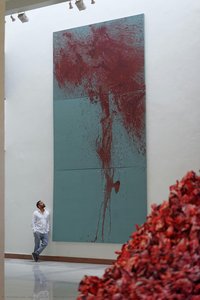
Qureshi’s work extends beyond the canvas, embracing large-scale installations that further amplify his thematic concerns. His 2011 installation for the Sharjah Biennial, *Blessings Upon the Land of My Love*, was a particularly powerful example, utilizing the architectural space to create a layered narrative of conflict and resilience. Similarly, his 2012 work for the Biennale of Sydney, *They Shimmer Still*, explored themes of memory and displacement through a complex interplay of color, texture, and spatial arrangement. These installations demonstrate Qureshi’s ability to translate his artistic language into immersive experiences that resonate deeply with viewers.
Throughout his career, Imran Qureshi has garnered international recognition for his unique approach to art-making. He was named Deutsche Bank Artist of the Year in 2013, a testament to his growing influence within the contemporary art world. His work has been exhibited at prestigious institutions worldwide, including the Metropolitan Museum of Art in New York and the Barbican Centre in London. His commitment to exploring complex social issues through a deeply personal and visually arresting style solidifies his position as one of Pakistan’s most important and innovative artists, bridging ancient traditions with urgent contemporary concerns.
The Influence of Mughal Miniature Painting
Qureshi's artistic journey is inextricably linked to the rich tradition of Mughal miniature painting. He initially trained in this intricate art form, mastering its meticulous techniques of layering pigments, creating delicate details, and employing a vibrant color palette. However, rather than simply replicating these classical styles, Qureshi subverted them, injecting them with new meaning and purpose. The precision and detail inherent in Mughal miniatures—the painstaking rendering of objects, figures, and landscapes—provide a powerful foundation for his own work, offering a visual vocabulary that speaks to both the past and the present.
The influence of Mughal miniature painting is evident in Qureshi’s use of floral motifs, which are central to his “flower painting” technique. These blooms, rendered with remarkable detail and precision, evoke the intricate patterns found in traditional Mughal paintings—a deliberate nod to the artistic heritage that informs his work. Furthermore, the layering of paint—a hallmark of miniature painting—creates a sense of depth and complexity within Qureshi’s canvases, mirroring the multi-layered narratives often depicted in Mughal miniatures.
However, Qureshi doesn't merely imitate Mughal techniques; he transforms them, using them as a springboard for his own artistic explorations. He introduces elements of abstraction, employs unconventional materials (such as blood-red paint), and disrupts the traditional hierarchical structure of miniature painting—a deliberate act of subversion that reflects his engagement with contemporary social and political issues. In essence, Qureshi takes the core principles of Mughal miniature painting and reinterprets them through a distinctly modern lens.
Symbolism and Recurring Motifs
Qureshi’s paintings are replete with symbolism, drawing upon Islamic cosmology, Sufi mysticism, and Pakistani cultural traditions. The recurring motif of the flower—often rendered in vibrant shades of red—is perhaps the most prominent symbol in his work, representing not just beauty but also life, regeneration, and the potential for growth amidst destruction. The flowers emerge from a chaotic field of paint, suggesting that even in the face of adversity, hope and renewal can flourish.
Blood-red pigment is another key symbolic element, directly referencing the violence and suffering experienced by Pakistanis. However, it’s not simply a representation of death; it also symbolizes life force—the vital energy that sustains existence. Qureshi has stated that he uses red paint to confront the realities of his country's history, acknowledging the pain while simultaneously celebrating its resilience.
Beyond these central motifs, Qureshi incorporates other symbolic elements drawn from Islamic art and culture, including geometric patterns, calligraphy, and references to traditional Islamic gardens. These symbols are often interwoven with abstract forms, creating a complex visual language that invites multiple interpretations. The layering of meaning within Qureshi’s paintings reflects the richness and complexity of Pakistani cultural heritage—a testament to his deep understanding of both tradition and contemporary concerns.
Major Achievements and Recognition
Imran Qureshi's artistic career has been marked by a series of significant achievements and widespread recognition. He was named Deutsche Bank Artist of the Year in 2013, an award that brought international attention to his work and solidified his position as one of Pakistan’s leading contemporary artists.
His site-specific installations have been exhibited at prestigious venues around the world, including The Metropolitan Museum of Art in New York City (2014), the Sharjah Biennial (2011), and the Biennale of Sydney (2012). These projects demonstrate Qureshi’s ability to engage with architectural space and create immersive experiences that resonate deeply with viewers.
Qureshi has received numerous commissions from major institutions, including the Barbican Centre in London (2016) and the Aga Khan Museum in Toronto. His work is held in prominent collections worldwide, further cementing his legacy as a significant figure in contemporary art. His 2016 Padma Shri award by the Government of India recognized his contribution to the arts.
Beyond these individual achievements, Qureshi has played a crucial role in promoting Pakistani art on an international stage, fostering dialogue between cultures and challenging conventional notions of artistic expression. His work continues to evolve and inspire, solidifying his place as one of the most important artists of our time.
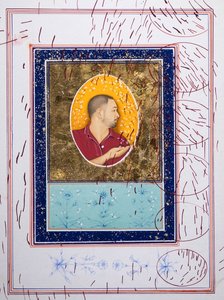
imran qureshi
1972 - , Pakistan
Quick Facts
- Artistic Movement Or Style: Contemporary Miniature
- Artists Or Movements Influenced By This Artist: ['Contemporary Art']
- Artists Who Influenced This Artist: ['Mughal tradition']
- Date Of Birth: June 24, 1965
- Full Name: Muhammad Imran Qureshi
- Nationality: Pakistani
- Notable Artworks:
- Midnight Garden
- Portraits
- All are the Colour of My Heart
- Place Of Birth: Hyderabad, Pakistan
Related Articles

Kandinsky's Masterpieces: 25 Paintings That Define Abstract Art | ArtsDot
Journey through Wassily Kandinsky's 25 most iconic abstract paintings. Explore his revolutionary use of color, form & spiritual expressionism. Find museum-quality Kandinsky reproductions and elevate your home decor with ArtsDot.com. Discover all masterpieces on ArtsDot.com!
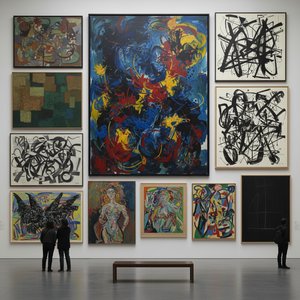
Abstract Expressionism's 10 Defining Masterpieces |
Explore 10 defining Abstract Expressionism masterpieces by Pollock, Rothko & de Kooning. Discover the stories behind these iconic paintings and find museum-quality art reproductions to elevate your home decor on .

Geometric Abstraction's 10 Defining Masterpieces | Art for Your Home - ArtsDot
Explore 10 defining masterpieces of Geometric Abstraction! Discover Kandinsky, Mondrian & Malevich’s iconic works. Find museum-quality art reproductions and curated decor ideas to elevate your home at ArtsDot.com.
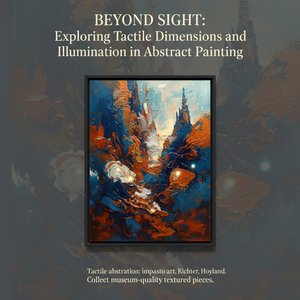
Beyond Sight: Exploring Tactile Dimensions and Illumination in Abstract Painting
Explore the captivating world of tactile abstraction! Discover impasto techniques, influential artists like Richter & Hoyland, and expert insights for collecting textured art. Elevate your space with museum-quality pieces.
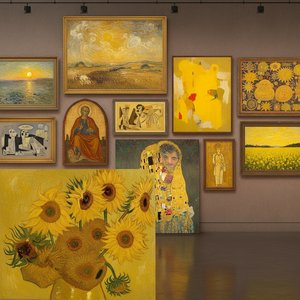
Golden Hues: 10 Masterpieces Dominated by Chrome Yellow | ArtsDot
Immerse yourself in golden light! Explore 10 famous paintings dominated by 'Chrome Yellow', from Van Gogh’s Sunflowers to Monet's Haystacks. Discover the stories behind these iconic Impressionist & Post-Impressionist masterpieces and find museum-quality art reproductions at ArtsDot.com.