 Preview
 Send
Send Share
Share
 Details

 Download
 Similars
 X-Ray
X-Ray Diaporama
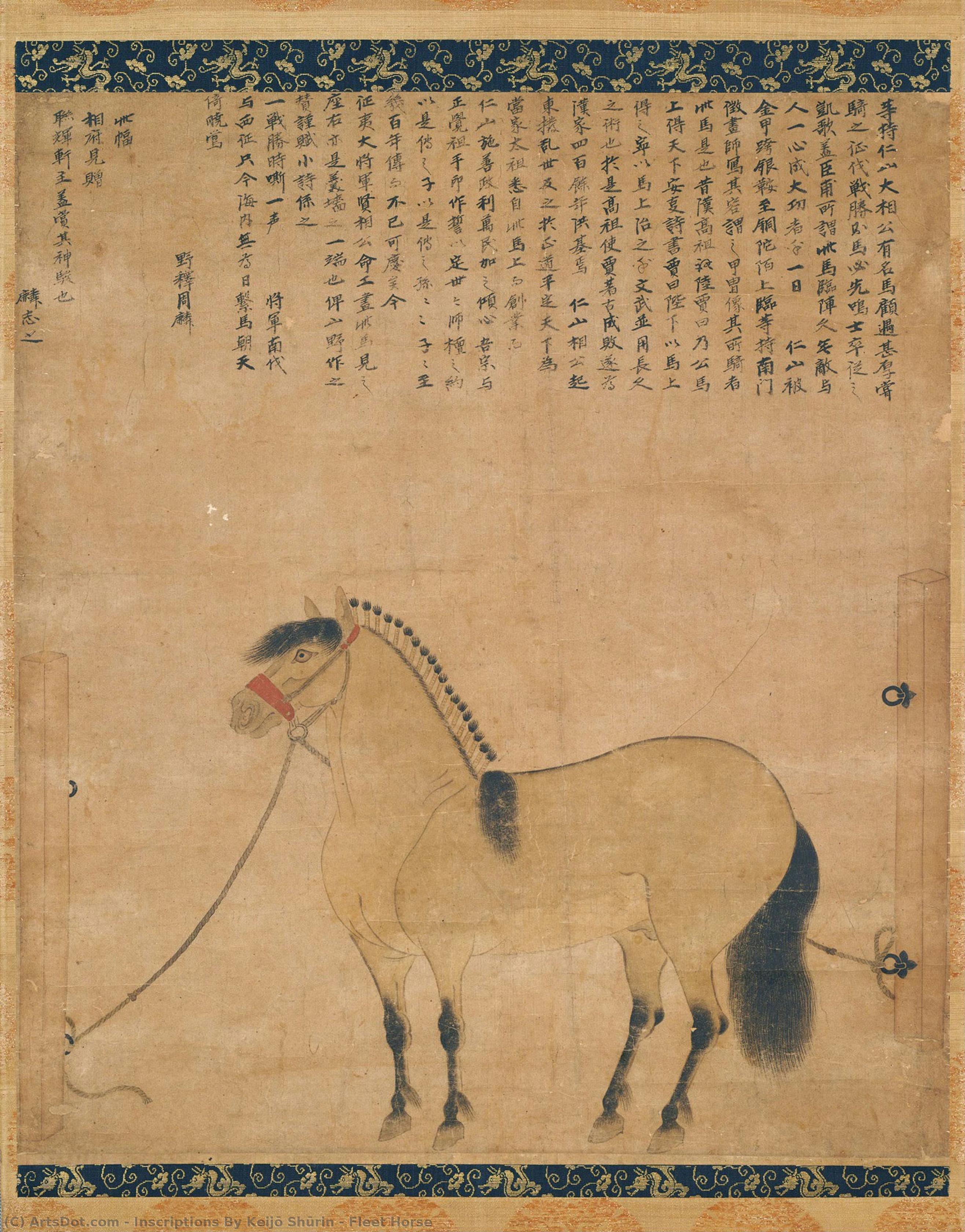
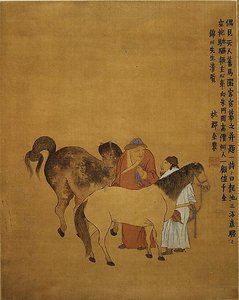
Fleet Horse
 Read More
Giclée / Art Print
Museum-quality giclée or canvas print with fast production and flexible finish options. ( Buy Hand Made Painting Buy Image)




































Pick from our preset sizes that match the artwork's original proportions.

You may enter your own dimensions to fit a specific frame or space. If your selected size does not match the original image's proportions, we will either crop the artwork or extend the image with a mirrored or solid-fill edge. A digital mockup will be sent for your approval before production begins.
Please note that the on-screen preview does not reflect the actual cropping or extension. Only the mockup will accurately show the final composition.
While custom sizes are available, we recommend selecting a dimension from the predefined list to preserve the original proportions.
Worldwide Delivery () in 2 weeks instead of standard 4/5 weeks. (22 August)

Free Worldwide Express Shipping

High-Quality Linen Canvas

Full Shipping Insurance

Customs Tax Refund Guarantee

True Color Matching Guarantee

60-Day Return Policy (Defects Only)

100% Money-Back Guarantee

Bulk Discount Offer
 Glass option is only available in size under 110 CM

Fleet Horse
Giclée / Art Print
Reproduction Size
-


Total Price
$ 63
Collectible Description
Related Artworks



Artist Biography
Keijō Shūrin: The Poet of the Brush – A Legacy in Ink and Emotion
Keijō Shūrin (1440-1518), a name perhaps less familiar than some of his contemporaries, stands as a pivotal figure in 15th-century Japanese art. More than simply an artist, he was a celebrated Zen monk and a master calligrapher whose lengthy dedicatory verses—particularly those penned for the lost painting of Nobumitsu – offer invaluable insights into the artistic and intellectual currents of the Muromachi period. His work transcends mere decoration; it’s imbued with profound spiritual contemplation and a deeply felt appreciation for beauty, reflecting a synthesis of Buddhist philosophy and refined aesthetic sensibilities.
Born in Japan during a time of political upheaval and cultural flourishing, Shūrin's life was inextricably linked to the world of Noh theatre. The Kanze family, renowned for their contributions to this highly stylized form of drama, provided him with his artistic foundation. His lineage placed him within a tradition deeply rooted in Zen Buddhism, influencing not only his artistic practice but also his philosophical outlook. This connection is most evident in his inscriptions, which frequently reference themes of impermanence, the ephemeral nature of life, and the pursuit of enlightenment – core tenets of Zen thought.
The Nobumitsu Inscription: A Window into a Lost Masterpiece
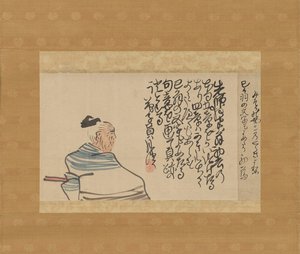
Shūrin’s fame rests largely on his extraordinary dedication for a painting of Nobumitsu (1435-1497), a prominent Noh musician and composer. Though the original artwork is sadly lost, Shūrin's lengthy verse—a sprawling 2,000 characters—survives as a testament to his skill and artistry. This inscription isn’t simply a description of a painting; it’s a complex meditation on Nobumitsu’s life, artistic achievements, and the very nature of beauty. The sheer length and intricate detail of the verse suggest that Shūrin considered this work not merely as an image but as a vessel for conveying profound spiritual truths.
Scholars believe the inscription was written around 1488, during a period when Nobumitsu’s influence on Noh theatre was at its peak. The text reveals Shūrin's deep understanding of Nobumitsu’s musical compositions and his ability to imbue the dedication with layers of symbolism and allusion. The verse is filled with references to Buddhist concepts like *mu* (emptiness) and *sunyata* (voidness), suggesting that Shūrin intended the painting—and by extension, the inscription—to serve as a visual representation of these philosophical ideas.
Style and Technique: The Language of Ink
Shūrin’s calligraphy is characterized by its elegance, fluidity, and remarkable control. His brushwork demonstrates a mastery of *shodō*, the art of Japanese calligraphy, with each stroke carrying weight and intention. He employed a variety of inks—ranging from delicate washes to bold, expressive strokes—to create textures and effects that enhanced the visual impact of his words. The inscription is not merely written; it’s sculpted with ink, demonstrating a deep understanding of its physical properties.
Unlike many contemporary calligraphers who focused on strict adherence to established styles, Shūrin infused his work with a personal voice and a sense of spontaneity. His characters are often slightly uneven, reflecting the natural rhythm of his hand as he guided the brush across the paper. This subtle imperfection adds to the inscription’s authenticity and emotional resonance.
Legacy and Historical Significance
Despite the loss of the original Nobumitsu painting, Shūrin's dedication remains a crucial document for understanding Muromachi-era art and culture. It provides invaluable insights into the artistic values, philosophical beliefs, and social context of the time. His work is considered an important example of *shōjinkoku*, a style of calligraphy that emphasizes naturalness, spontaneity, and emotional expression.
Furthermore, Shūrin’s legacy extends beyond his individual works. He represents a synthesis of artistic skill, spiritual insight, and intellectual curiosity—qualities highly valued in Zen Buddhism. His dedication to Nobumitsu serves as a reminder of the profound connections between art, religion, and human experience, solidifying his place as a significant figure in Japanese cultural heritage.
inscriptions by keijō shūrin
1440 - 1518 , Japan
Quick Facts
- Artistic Movement Or Style: Zen monk & artist
- Artists Or Movements Influenced By This Artist: ['Muromachi period art']
- Date Of Death: 1518
- Full Name: Keijō Shūrin
- Nationality: Japanese
- Notable Artworks: ['Dedication verse']
- Place Of Birth: Japan