 Preview
 Send
Send Share
Share
 Details

 Download
 Similars
 X-Ray
X-Ray Diaporama
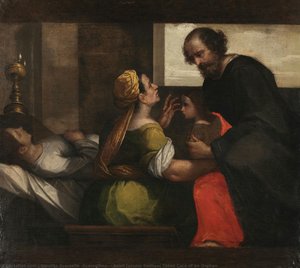
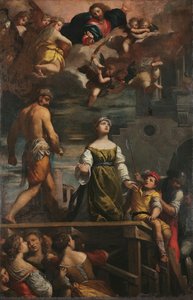
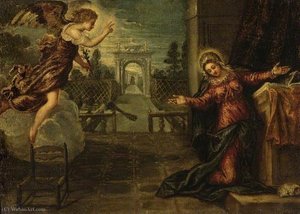
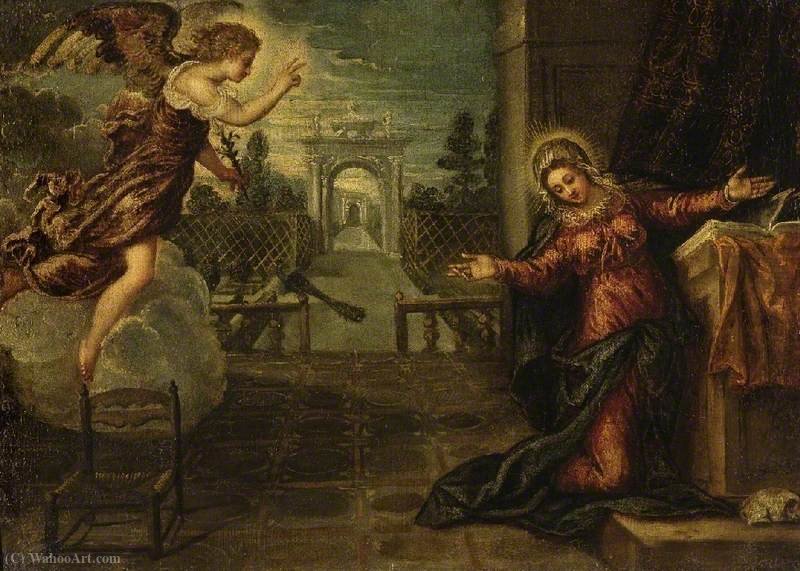
The annunciation
 Read More
Giclée / Art Print
Museum-quality giclée or canvas print with fast production and flexible finish options. ( Buy Hand Made Painting Buy Image)




































Pick from our preset sizes that match the artwork's original proportions.

You may enter your own dimensions to fit a specific frame or space. If your selected size does not match the original image's proportions, we will either crop the artwork or extend the image with a mirrored or solid-fill edge. A digital mockup will be sent for your approval before production begins.
Please note that the on-screen preview does not reflect the actual cropping or extension. Only the mockup will accurately show the final composition.
While custom sizes are available, we recommend selecting a dimension from the predefined list to preserve the original proportions.
Worldwide Delivery () in 2 weeks instead of standard 4/5 weeks. (26 August)

Free Worldwide Express Shipping

High-Quality Linen Canvas

Full Shipping Insurance

Customs Tax Refund Guarantee

True Color Matching Guarantee

60-Day Return Policy (Defects Only)

100% Money-Back Guarantee

Bulk Discount Offer
 Glass option is only available in size under 110 CM

The annunciation
Giclée / Art Print
Reproduction Size
-


Total Price
$ 63
Related Artworks




Artist Biography
The Visionary of the Ferrarese Landscape
Ippolito Scarsella, known affectionately to art historians as Scarsellino, emerged from the vibrant intellectual cradle of Ferrara around 1550. As a pivotal figure within the School of Ferrara, his life and work represent a profound metamorphosis in Italian painting. While much of his early biography remains shrouded in the archives of the late Renaissance, his presence is felt through the transformative way he bridged the gap between the structured elegance of Mannerism and the emotive, naturalistic pulse of the burgeoning Baroque era. Born into an environment shaped by the humanist scholarship of the Este court, Scarsella was uniquely positioned to witness the shift from idealized classical forms toward a more visceral, atmospheric observation of the world.
His artistic evolution was deeply rooted in the fertile ground of Ferrara, a city that demanded both technical mastery and intellectual depth. Unlike many of his contemporaries who sought refuge in theatrical or overly stylized compositions, Scarsellino possessed an insatiable curiosity for the natural world. He did not merely paint scenery; he studied the very breath of the earth. His canvases reveal a meticulous devotion to geological formations, the shifting nuances of light through clouds, and the delicate textures of flora. This scientific inclination, blended with a poetic sensibility, allowed him to pioneer a style of landscape painting that felt alive, capturing the psychological weight of a setting as much as its physical reality.
Mastery of Light and Atmosphere
The true genius of Scarsellino lies in his ability to manipulate light to evoke profound emotion. His technique moved away from the rigid, often artificial lighting of the Mannerist period, opting instead for a subtle interplay of tonal gradations that suggested movement and time. Through expressive brushwork and a sophisticated use of color, he created landscapes that seemed to breathe with an internal rhythm. This mastery of atmosphere served as a precursor to the great Baroque masters, influencing how future generations would approach the concept of sfumato and dramatic chiaroscuro in landscape settings.
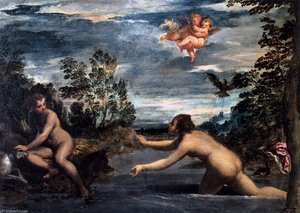
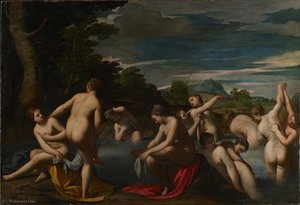
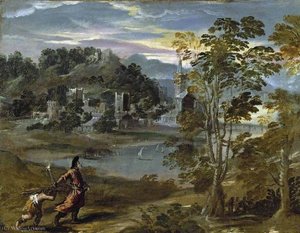
His repertoire was remarkably diverse, seamlessly blending mythological narratives with religious devotion. In works such as Nymphs at the Bath or Salmacis and Hermaphroditus, he utilized the landscape not just as a backdrop, but as an active participant in the mythic drama, using shadows and light to heighten the tension of the classical tales. Similarly, his religious compositions, including poignant scenes like Landscape with Abraham and Isaac, demonstrate his ability to infuse sacred narratives with a sense of earthly presence and human vulnerability. This ability to marry the divine with the naturalistic is what defines his enduring legacy.
Legacy and Historical Significance
Though Scarsellino passed away in 1620, his influence rippled far beyond the borders of Ferrara. He stands as a vital link in the chain of Italian art history, providing the stylistic foundation upon which later landscape innovators built their careers. His work anticipated the atmospheric depth found in the works of Pietro Testa and the dramatic intensity of Giovanni Battista Gaulli, marking him as a true visionary of the transition into the Baroque.
To study the oeuvre of Ippolito Scarsella is to witness the birth of a new way of seeing. His contributions can be summarized through several key artistic milestones:
- The Integration of Nature and Narrative: He transformed the landscape from a secondary element into a primary vessel for storytelling and emotion.
- Pioneering Naturalism: His commitment to observing atmospheric conditions and geological accuracy helped move Italian art toward a more grounded, realistic aesthetic.
- Stylistic Bridge: He successfully navigated the transition from the complex artifice of Mannerism to the emotive power of the Baroque.
- Atmospheric Innovation: His use of light and tonal variation set a new standard for creating mood and depth in outdoor settings.
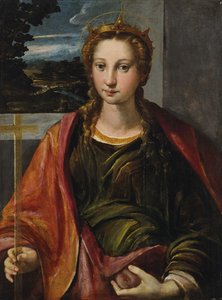
ippolito scarsella (scarsellino)
1550 - 1620 , Italy
Quick Facts
- Artistic Movement Or Style: Baroque
- Artists Who Influenced This Artist:
- Andrea Pozzo
- Giovanni Battista Gaulli
- Date Of Birth: 1550 (or 1551)
- Date Of Death: 1620
- Full Name: Ippolito Scarsella
- Nationality: Italian
- Notable Artworks:
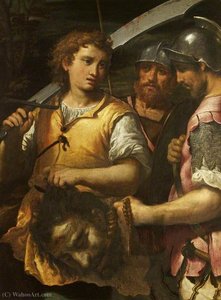
- David with the Head of Goliath
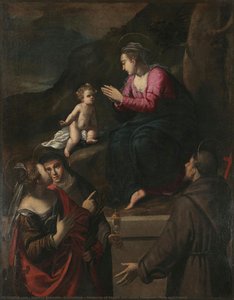
- Madonna of Reggio and saints Margaret, Clare and Francis
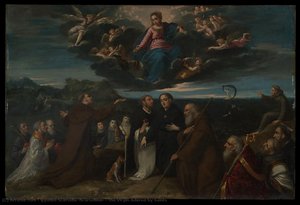
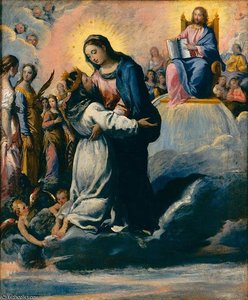
- The Virgin Adored by Saints
- Place Of Birth: Ferrera, Italy