 Preview
 Send
Send Share
Share
 Details

 Download
 Similars
 X-Ray
X-Ray Diaporama
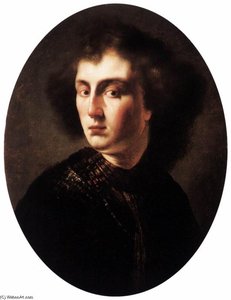
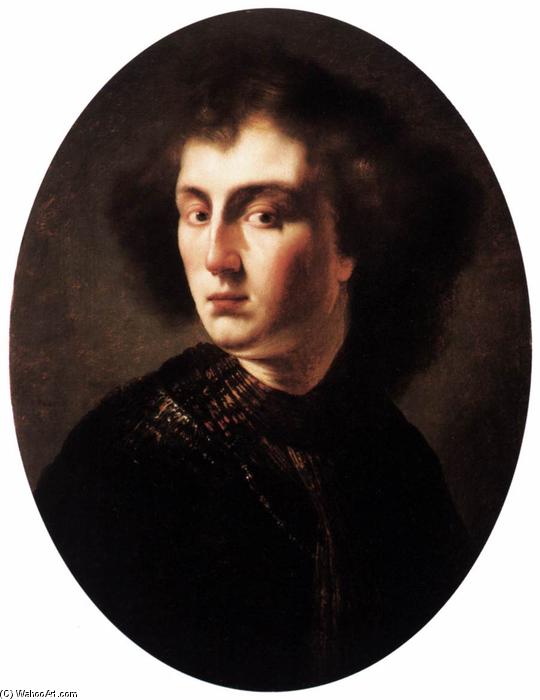
Bust of a Young Man
 1631
1631 48.0 x 37.0 cm
 Read More
Giclée / Art Print
Museum-quality giclée or canvas print with fast production and flexible finish options. ( Buy Hand Made Painting Buy Image)




































Pick from our preset sizes that match the artwork's original proportions.

You may enter your own dimensions to fit a specific frame or space. If your selected size does not match the original image's proportions, we will either crop the artwork or extend the image with a mirrored or solid-fill edge. A digital mockup will be sent for your approval before production begins.
Please note that the on-screen preview does not reflect the actual cropping or extension. Only the mockup will accurately show the final composition.
While custom sizes are available, we recommend selecting a dimension from the predefined list to preserve the original proportions.
Worldwide Delivery () in 2 weeks instead of standard 4/5 weeks. (21 August)

Free Worldwide Express Shipping

High-Quality Linen Canvas

Full Shipping Insurance

Customs Tax Refund Guarantee

True Color Matching Guarantee

60-Day Return Policy (Defects Only)

100% Money-Back Guarantee

Bulk Discount Offer
 Glass option is only available in size under 110 CM

Bust of a Young Man
Giclée / Art Print
Reproduction Size
-


Total Price
$ 63
Collectible Description
Artistic Style and Influences
Isaac de Jouderville's style is characterized by his use of chiaroscuro, a technique that utilizes strong contrasts between light and dark to create a sense of depth and volume. This is evident in the Bust of a Young Man, where the subject's face is illuminated against a dark background, creating a striking visual effect. The artist's work was likely influenced by his contemporaries, including Rembrandt, who was known for his innovative use of light and shadow.Notable Features and Symbolism
The Bust of a Young Man features a number of notable elements, including the subject's intricate clothing and the subtle expression on his face. The painting is also remarkable for its use of symbolism, with the subject's gaze directed towards the viewer, creating a sense of intimacy and connection. For more information on Isaac de Jouderville and his works, visit /art/list/?Filter=8XZNKW-Isaac-De-Jouderville-Bust-of-a-Young-Man.- The painting is a prime example of Dutch Golden Age art, characterized by its use of realism and attention to detail.
- The subject's clothing and hairstyle are indicative of the fashion of the time, providing valuable insight into the cultural and social context of the era.
- The National Gallery of Ireland is home to a number of other notable works by Isaac de Jouderville, including portraits and landscapes.
The Bust of a Young Man is a testament to the enduring power of art to capture the human experience, and its beauty and significance continue to inspire and fascinate audiences today.
Related Artworks
Artist Biography
The Shadow of a Master: The Life and Legacy of Isaac de Jouderville
In the golden, amber-hued era of the Dutch seventeenth century, few figures evoke as much intrigue and stylistic reverence as Isaac de Jouderville. Born in Leiden in 1612, de Jouderville emerged from a landscape of profound artistic transformation, a time when the Netherlands was redefining the boundaries of portraiture and light. His life, though tragically brief, serves as a poignant echo of the Dutch Golden Age, characterized by an unwavering devotion to the psychological depth and dramatic chiaroscural techniques that defined his era. As a pupil of the legendary Rembrandt Harmenszoon van Rijn, de Jouderville did not merely imitate; he internalized a visual language of shadow and soul, carrying the torch of Rembrandt’s innovations through the bustling streets of Deventer and Amsterdam.
The trajectory of his career was marked by movement and the pursuit of artistic excellence. After beginning his apprenticeship under Rembrandt in 1629, de Jouderville traveled to Amsterdam in 1631, a period that likely solidified his mastery of the tronies—those captivating character studies that prioritize emotional expression over mere likeness. His journey took him through Deventer in 1636, where he established roots before returning to the artistic epicenter of Amsterdam in 1641. Though his time in the great metropolis was cut short by his untimely death in 1645, the impact of his presence remained. His work often blurred the lines of attribution, with several pieces so masterfully executed that they were initially mistaken for the hand of Rembrandt himself, a testament to his profound ability to capture the fleeting nuances of the human visage.
Technique and the Art of the Tronie
De Jouderville’s artistry is most profoundly felt in his command of chiaroscuro. By utilizing stark, dramatic contrasts between light and dark, he breathed volume and life into his subjects, creating a sense of three-dimensional presence that pulls the viewer into the canvas. This technique is nowhere more evident than in his celebrated works such as "Bust of a Young Man" (1631), where the illumination of a face against an impenetrable darkness creates an intimate, almost spiritual connection with the observer. His skill extended beyond simple portraiture into the realm of historical allegories and exoticized subjects, often depicting figures in oriental costumes that allowed him to explore rich textures, intricate fabrics, and the play of light on varied surfaces.
Beyond the influence of Rembrandt, de Jouderville’s stylistic palette was a sophisticated blend of several traditions:
- Mannerism: From this movement, he drew an appreciation for elegant, sometimes elongated forms and complex compositions.
- Flemish Primitives: He absorbed the meticulous attention to detail and the profound realism found in earlier Northern European traditions.
- Psychological Realism: His primary focus remained the "inner life" of his subjects, using subtle facial expressions to convey complex narratives.
A Lasting Impression on Art History
The historical significance of Isaac de Jouderville lies in his role as a vital link in the stylistic continuum of the Dutch Golden Age. While he may be often viewed through the lens of his mentor, his ability to synthesize diverse influences—from the structural rigor of Mannerism to the emotional weight of Rembrandt’s school—marks him as a distinct talent. His life, though truncated by death in his early thirties, left behind a body of work that continues to fascinate historians and art enthusiasts alike. The modern fascination with his oeuvre was even brought to a wider audience through features on programs such as BBC’s “Fake or Fortune?”, which highlighted the enduring mystery and technical brilliance of his hand.
Ultimately, de Jouderville represents the profound interconnectedness of the seventeenth-century art market. His legacy is not merely found in museum galleries like the National Gallery of Ireland, but in the very way we understand the evolution of portraiture—as a medium capable of capturing not just the skin and bone of a subject, but the ephemeral flicker of human thought and emotion.
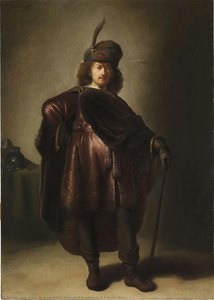
Isaac de Jouderville
1612 - 1645 , Netherlands
Quick Facts
- Artistic Movement Or Style: Rembrandt Style; Tronies
- Artists Or Movements Influenced By This Artist: ['Dutch Golden Age']
- Artists Who Influenced This Artist: ['Rembrandt']
- Date Of Birth: Leiden, Netherlands (1612)
- Date Of Death: 1645
- Full Name: Isaac de Jouderville
- Nationality: Dutch
- Notable Artworks:
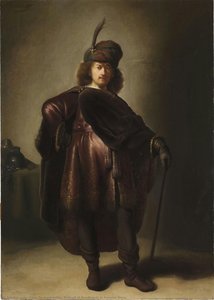
- Portrait of Rembrandt in Oriental Dress
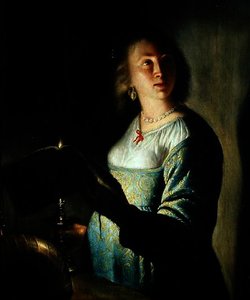
- Young Woman with a Candle
- Bust of a Young Man
- Place Of Birth: Leiden