

 Preview
 Send
Send Share
Share
 Details

 Download
 Similars
 X-Ray
X-Ray Diaporama
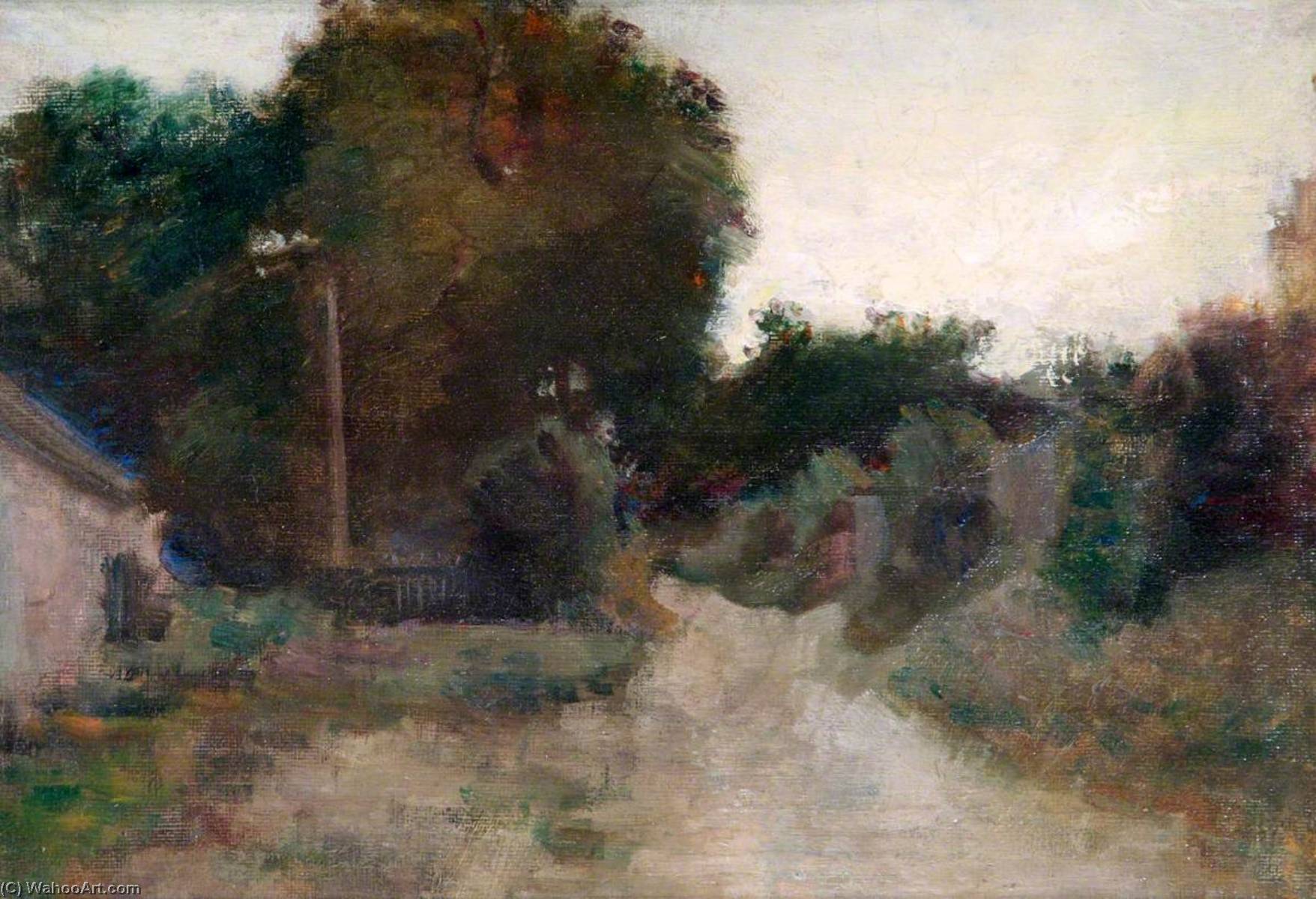
The Road
 1911
1911 27.0 x 36.0 cm
 Read More
Purchase a high-resolution, enhanced digital image, far superior to the online preview.
Each file is meticulously prepared by our in-house specialists using advanced tools and expert manual retouching. We ensure every image has exceptional clarity, precise color accuracy, and fine detail.
The final file is delivered via email within 72 hours, optimized for immediate use in professional, editorial, and print environments. This is the same quality trusted by top-tier design studios, publishers, and galleries.
Digital Image
Download a high-resolution file for personal display, printing, and creative projects. ( Buy Print Buy Hand Made Painting)
Included in Every Digital Image Order
Expert Digital Delivery, Guaranteed
When you choose ArtsDot.com, you're not just getting an image - you're receiving a professionally enhanced digital artwork, crafted with precision and backed by a satisfaction guarantee. Here's everything that comes with your order, automatically:

Fast Email Delivery
Your high-resolution digital image file will be emailed to you within 72 hours of ordering - ready for immediate use.

AI-Enhanced Digital File
Your artwork is professionally optimized using advanced AI tools and manual editing, ensuring maximum detail, clarity, and color accuracy.

Free Lifetime Re-Delivery
Accidentally deleted or lost your file? No worries - we'll resend it to you anytime, free of charge.

No Import Fees - Ever
Enjoy your artwork instantly with zero customs, duties, or delivery fees - digital downloads are always tax-free.

Color Accuracy Guarantee
We ensure your digital image reflects the original colors as closely as possible using professional tools and color management.

60-Day Satisfaction Guarantee
If you're not satisfied with your digital image, we'll revise it or refund 100% within 60 days - no questions asked.

100% Money-Back Guarantee
Not satisfied? Get a full refund within 60 days of receiving your digital file - no questions asked.

Bulk Order Discounts
Buy 3 images, save 10% - Buy 5, save 15% - Buy 10+, save 20%. Great for creative projects, galleries, and agencies.
Related Artworks
Artist Biography
The Soul of the Trenches: The Dual Legacy of Isaac Rosenberg
To understand the profound, haunting resonance of Isaac Rosenberg is to encounter a spirit caught between the delicate precision of an engraver’s tool and the visceral, mud-soaked reality of the Great War. Born in Bristol in 1890 to Lithuanian Jewish immigrants, Rosenberg’s early life was defined by a relentless pursuit of beauty amidst the grit of London's East End. His journey from a young apprentice in a Fleet Street engraving studio to the prestigious halls of the Slade School of Fine Art is a testament to a raw, unyielding talent. At the Slade, he moved within a constellation of burgeoning modernists, sharing studios and ideas with figures such as David Bomberg, Mark Gertler, and Stanley Spencer. This period of intense artistic formation instilled in him a visual literacy that would later bleed into his most famous literary achievements, allowing him to "paint" with words a landscape of human suffering and resilience.
Rosenberg’s artistry was never a singular pursuit; rather, it was a symbiotic dialogue between the eye and the pen. While he sought to establish himself as a painter, exhibiting works at the Whitechapel Gallery, it was his poetic voice that would ultimately capture the historical consciousness of an era. His early collections, such as Night and Day, hinted at a burgeoning mastery of rhythm and imagery, but it was the onset of the First World War that thrust his talent into the crucible of history. Unlike many of his contemporaries who approached the conflict through a lens of patriotic fervor, Rosenberg’s work was marked by a profound, often agonizing realism. He viewed the war not as a glorious crusade, but as a devastating force that threatened to extinguish the very essence of human creativity.
A Vision Forged in Conflict
The transition from the tranquil studies of art school to the harrowing existence of the trenches transformed Rosenberg’s creative output into something uniquely visceral. As a soldier in the King’s Own Royal Lancaster Regiment, he lived the very horrors he described, and this proximity to death lent his verse an unparalleled authenticity. His Poems from the Trenches stand as some of the most significant literary artifacts of the twentieth century. In these works, the boundaries between his training as a visual artist and his vocation as a poet dissolve; one can almost see the heavy textures of the earth, the stark shadows of No Man's Land, and the fractured light of artillery fire through his meticulously crafted metaphors.
His development as an artist was characterized by a refusal to let the devastation of war master his "poeting." Even as he faced chronic ill-health and the constant threat of violence, he maintained a commitment to exploring complex themes of identity, social injustice, and the psychological toll of combat. His ability to capture the minute, often overlooked details of soldier life—the shared moments of humanity amidst the chaos—provided a necessary counterpoint to the grand, sweeping narratives of war propaganda. This unflinching gaze at the reality of the front lines ensured that his work remained deeply grounded in the human condition, making it as much a psychological study as a historical record.
Historical Significance and Eternal Resonance
The tragic death of Isaac Rosenberg on the French front in 1918, only months before the Armistice, robbed the world of an artist who was just beginning to reach his zenith. Yet, his impact remains indelible. He occupies a singular space in the canon of Great War poets, bridging the gap between the traditional lyricism of the past and the fragmented, modernist sensibilities of the future. His legacy is not merely found in the printed word, but in the way he taught subsequent generations to witness history through a lens of empathy and uncompromising truth.
Today, we remember Rosenberg as a figure of immense cultural importance, whose life and work serve as a poignant reminder of the fragility of art in the face of destruction. His achievements include:
- The integration of visual and literary arts: Utilizing his training at the Slade School to bring a unique, painterly depth to war poetry.
- A pioneering voice of realism: Moving away from romanticized depictions of battle toward an honest, often brutal portrayal of trench life.
- Enduring literary influence: Establishing a body of work that continues to be studied for its profound exploration of identity and the human spirit during times of crisis.
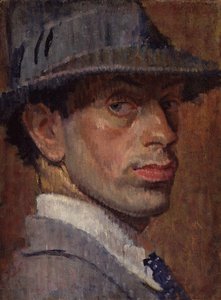
isaac rosenberg
1890 - 1918
Quick Facts
- Artistic Movement Or Style: Modernist art, Trench poetry
- Artists Who Influenced This Artist:
- Shelley
- Keats
- Laurence Binyon
- Date Of Birth: November 25, 1890
- Date Of Death: April 1, 1918
- Full Name: Isaac Rosenberg
- Nationality: British
- Notable Artworks:
- Night and Day
- Youth
- Moses
- Poems from the Trenches
- Place Of Birth: Bristol, England

